A well-organized art studio isn’t just about aesthetics—it directly impacts your creative output, workflow efficiency, and long-term productivity.
After analyzing how professional artists structure their spaces, one thing becomes clear: the most functional studios rely on a repeatable system of smart storage, intentional layout, and accessible tools.
In this guide, you’ll learn:
- The exact storage systems artists use to stay organized
- The best products for every category (tested-style recommendations)
- How to design a studio that stays organized long-term
Whether you’re working with a full studio or a small creative corner, this is your complete blueprint for building a space that works with you—not against you.
Quick Picks: Best Art Studio Organization Essentials
| Category | Best Pick | Why It Stands Out |
|---|---|---|
| Drawer Organizers | STORi Clear Drawer Organizers | Keeps small tools visible + separated |
| Rolling Cart | 3-Tier Utility Cart | Flexible mobile storage |
| Wall Storage | Metal Pegboard System | Maximizes vertical space |
| Paint Storage | Clear Multi-Drawer Organizer | Easy color visibility |
| Brush Holder | Rotating Brush Organizer | Protects bristles + accessible |
| Label Maker | DYMO LabelManager | Keeps system consistent |
Working With a Tiny Studio or Tight Budget?
If you’re organizing a very small creative space — like a bedroom corner, apartment nook, or shared studio — you may want to start here:
👉 Small Studio Decor on a Budget: Space-Saving Storage & Layout Ideas
Here’s how professional artists keep their studios functional, inspiring, and clutter-free.
1. Start with Smart Categorization (The Foundation of an Organized Art Studio)
Before buying storage or rearranging your space, the most important step is categorizing your supplies correctly.
Without clear categories, even the most aesthetic setup will quickly fall apart.
Professional artists don’t organize randomly—they group supplies based on how they’re used, not just what they are.
Core Art Supply Categories
Start by sorting everything into these foundational groups:
- Drawing Supplies: pencils, charcoal, markers, erasers
- Painting Supplies: acrylics, oils, watercolors, brushes
- Paper & Canvas: sketchbooks, watercolor pads, loose sheets
- Tools & Accessories: scissors, rulers, palettes, sponges
- Miscellaneous: glue, tape, specialty materials
Why Categorization Matters (And Why Most Systems Fail Without It)
Most studio organization systems fail for one reason:
👉 supplies don’t have a clearly defined “home”
Once everything is categorized, take it one step further:
- Keep daily-use tools within arm’s reach
- Store occasionally used items in drawers or cabinets
- Archive rarely used supplies in hidden storage
This small shift is what separates a nice-looking studio from a high-functioning one.
Why this approach works:
- Prevents supplies from shifting
- Makes daily tools easy to find
- Reduces the need for frequent re-sorting
Best suited for:
✔ Compact studios
✔ Mixed-media artists
✔ Anyone managing many small tools
What to Do Next
Now that your supplies are categorized, it’s time to build the system that keeps everything in place.
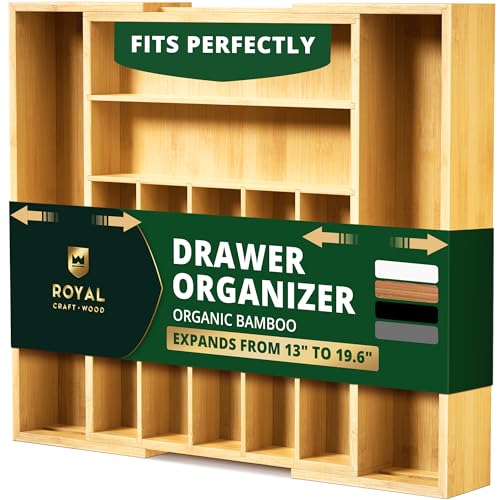
👉 Start with drawer organizers to create structure for your smallest tools (this is where most clutter begins)
2. The Core Storage System Artists Actually Use
Once your supplies are grouped, the next step is assigning each category to the right type of storage.
These are the exact storage solutions used in well-organized studios:
- Drawer organizers → small tools and daily essentials
- Rolling carts → flexible, project-based storage
- Wall storage → frequently used tools and vertical space
- Brush holders → protect and display brushes properly
- Clear containers → paints and high-visibility supplies
These aren’t random—they’re repeat systems used because they:
✔ Reduce visual clutter
✔ Keep tools accessible
✔ Support a smoother workflow
Core Organization Essentials (Start Here)
| Category | Product Type | Why You Need It |
|---|---|---|
| Small Supply Storage | Drawer Organizers | Keeps tools separated and easy to find |
| Mobile Storage | Rolling Cart | Brings supplies to your workspace |
| Vertical Storage | Pegboard Wall System | Frees up desk space |
| Paint Storage | Clear Organizer Drawers | Improves visibility and workflow |
| Brush Storage | Brush Holder | Protects and organizes brushes |
👉 These are essential for organizing small tools like pencils, markers, and erasers—the biggest source of clutter in most studios.

| 
| 
|
$23.99
| $22.78
| $35.87
|
Pro Tip: Group items by use frequency, keeping everyday tools in the top drawer.
3. Maximize Vertical Space with Wall Storage
When desk space is limited, walls become prime real estate:
- Pegboards with hooks for brushes, scissors, and rulers
- Floating shelves for books, decor, and finished work
- Wall-mounted racks for paints, jars, and bottles
Recommended: Wall Control Metal Pegboard
A pegboard in a soft studio color (like sage green or warm cream) doubles as functional storage and visual inspiration.
When desk space is limited, vertical storage becomes an essential part of studio organization.
Wall-mounted systems create easy access to frequently used tools while keeping work surfaces clear.
Why this works well:
Wall storage frees up your desk and keeps frequently used tools within reach.

| 
| 
|
$49.97
| $21.16
| $52.95
|
Creative Styling Idea
Paint your pegboard a soft studio tone like:
• Warm cream
• Sage green
• Dusty blush
Use matching brass or matte black hooks for cohesion.
Hang brushes by size — smallest to largest — for a visually satisfying gradient effect.
Add one framed mini sketch for personality.
👉 This style of wall system is a popular choice for space-efficient studios.

4. Add a Rolling Storage Cart for Flexibility
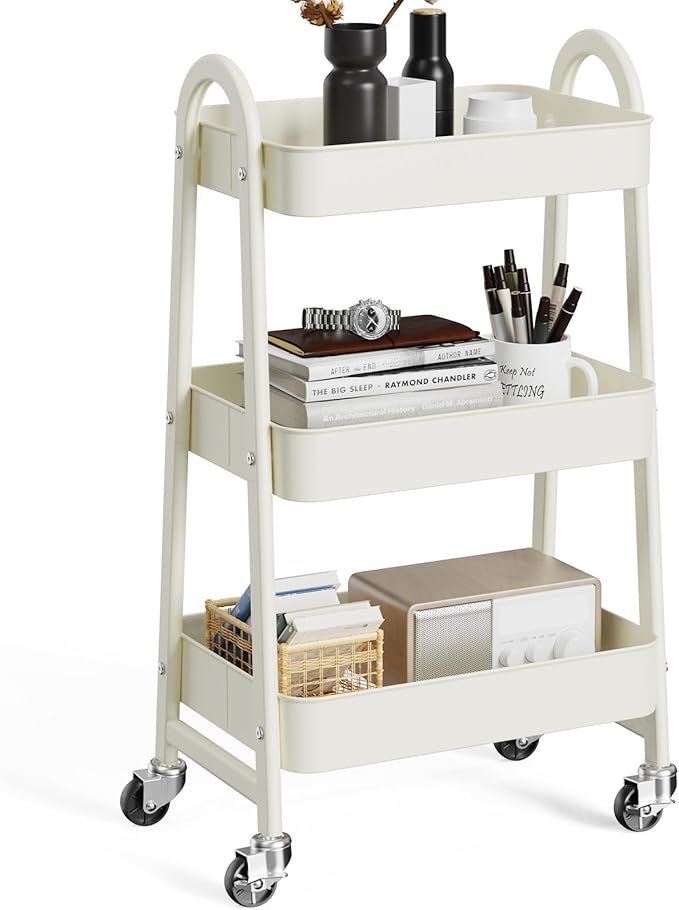
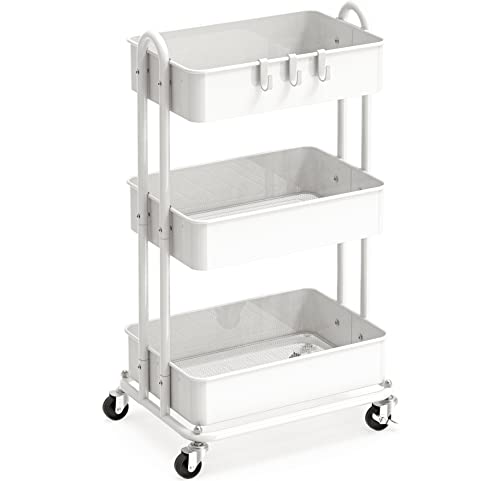
A rolling cart brings supplies to the artist, not the other way around. Look for:
- Compact and lightweight for easy movement
- Multiple tiers for organizing by category
These carts are perfect for shifting between an easel, drafting table, and photography station.
Rolling carts are widely used in studios because they bring supplies to where the work happens.
They’re especially useful for artists who move between different creative zones.
👉 A rolling cart keeps your current project supplies in one place and moves with you—perfect for multi-use spaces.
| 
|
$54.89
| $37.97
|
Creative Styling Idea
Turn your rolling cart into a mobile color station.
• Top tier: Current project palette
• Middle tier: Tools for that project
• Bottom tier: Backup supplies in woven baskets
Add a small ceramic vase with dried florals for softness.
Now it’s not just storage — it’s part of your studio aesthetic.
5. Organize Paints with Clear Containers
Transparent containers make it easy to see what you have:
- Acrylic paint holders with sectioned compartments
- Stackable jars for small paint tubes
- Magnetic spice racks repurposed for paint storage
Recommended: Arteza Paint Storage Case
Paint storage works best when everything is easy to see at a glance.
Clear containers help artists track what they have, avoid duplicates, and speed up setup and cleanup.
Benefits of transparent storage:
- Clear visibility of colors
- Faster access during projects
- Easier inventory management
Clear storage makes it easy to see your colors and supplies at a glance—saving time during every project.

| 
| 
|
$81.82
| $33.99
| $35.52
|
Creative Styling Idea
Organize paint by color family rather than brand:
• Neutrals together
• Cool tones together
• Warm tones together
Line them up like a paint swatch wall.
Suddenly your storage becomes decor.
👉 This style of clear organizer is frequently used for paint storage.
ARTEZA Organizer Box Compact 20-Drawer Clear Storage Solution for Pens, Clips, Sewing & Craft Supplies High-Impact Plastic, Home, Office & Classroom Organization Gray
6. Store Brushes the Right Way to Extend Their Life
Brush longevity depends on proper storage. The golden rule: bristles up to prevent damage. Options include:
- Ceramic or glass holders for an artistic display
- Drawer inserts with foam padding to keep them secure
- Wall-mounted brush organizers for easy access
Recommended: Creative Mark Brush Holder
Avoid letting wet brushes touch each other—drying space is just as important as storage.
Brushes should always be stored with bristles facing upward once dry.
Proper brush storage protects bristles and keeps your tools organized and accessible.

| 
| 
| 
|
$26.39
| $15.30
| $38.99
| $15.39
|
Creative Styling Idea
Use mismatched ceramic cups in a cohesive color palette.
• One matte white
• One speckled clay
• One glass
Group by brush type for layered height variation.
It should look intentional — like a styled vignette.
👉 This storage style allows brushes to dry properly while staying accessible.
Pencil Holder Organizer, Desktop Storage Caddy for Pen, Colored Pencil, Crayon, Paint Brushes, Art Studio&Office
7. Label Everything for Easy Retrieval
Clear labeling saves time and keeps the system consistent:
- Chalkboard labels for customizable naming
- Clear sticker labels for uniform aesthetics
- Color-coded bins for quick identification
Recommended: DYMO Label Maker
Labeling turns a good organization system into a long-term solution.
Easy-to-Use, One-Touch Smart Keys, QWERTY Keyboard, Large Display, For Home & Office Organization, Includes 3 D1 Label Cassettes

Clear labels help maintain consistency and make it easy to return supplies to their proper place.
Helpful labeling tips:
- Keep labels simple and consistent
- Use waterproof labels near sinks or paint areas
- Apply labels where they’re easy to read at a glance
👉 This type of label maker is commonly used for studio organization.
Pro Tip: Use waterproof labels if storing items near sinks or paint stations.
8. Protect Paper & Canvas from Damage
Paper and canvas need careful handling to stay pristine:
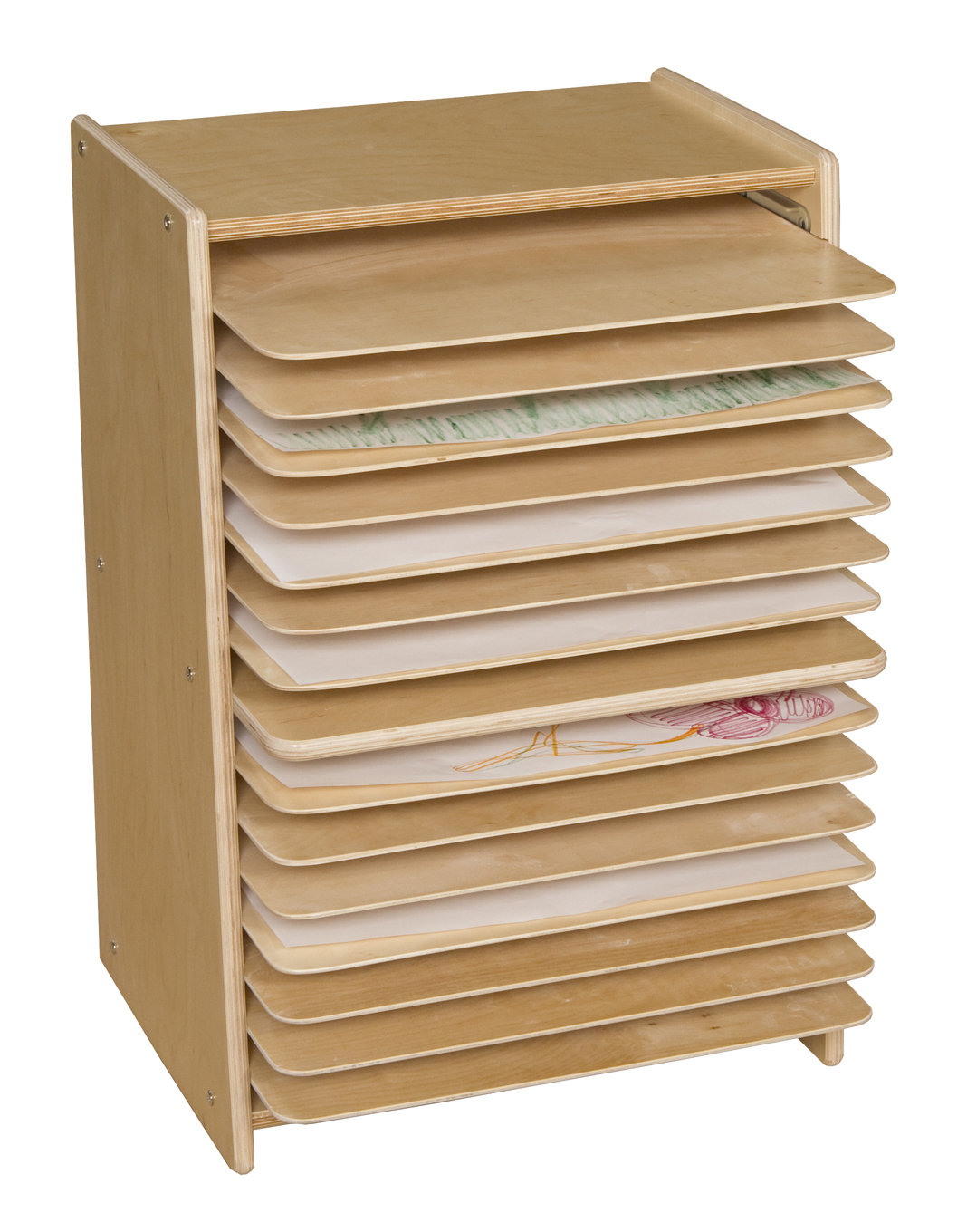
- Vertical magazine racks for sketchbooks and pads
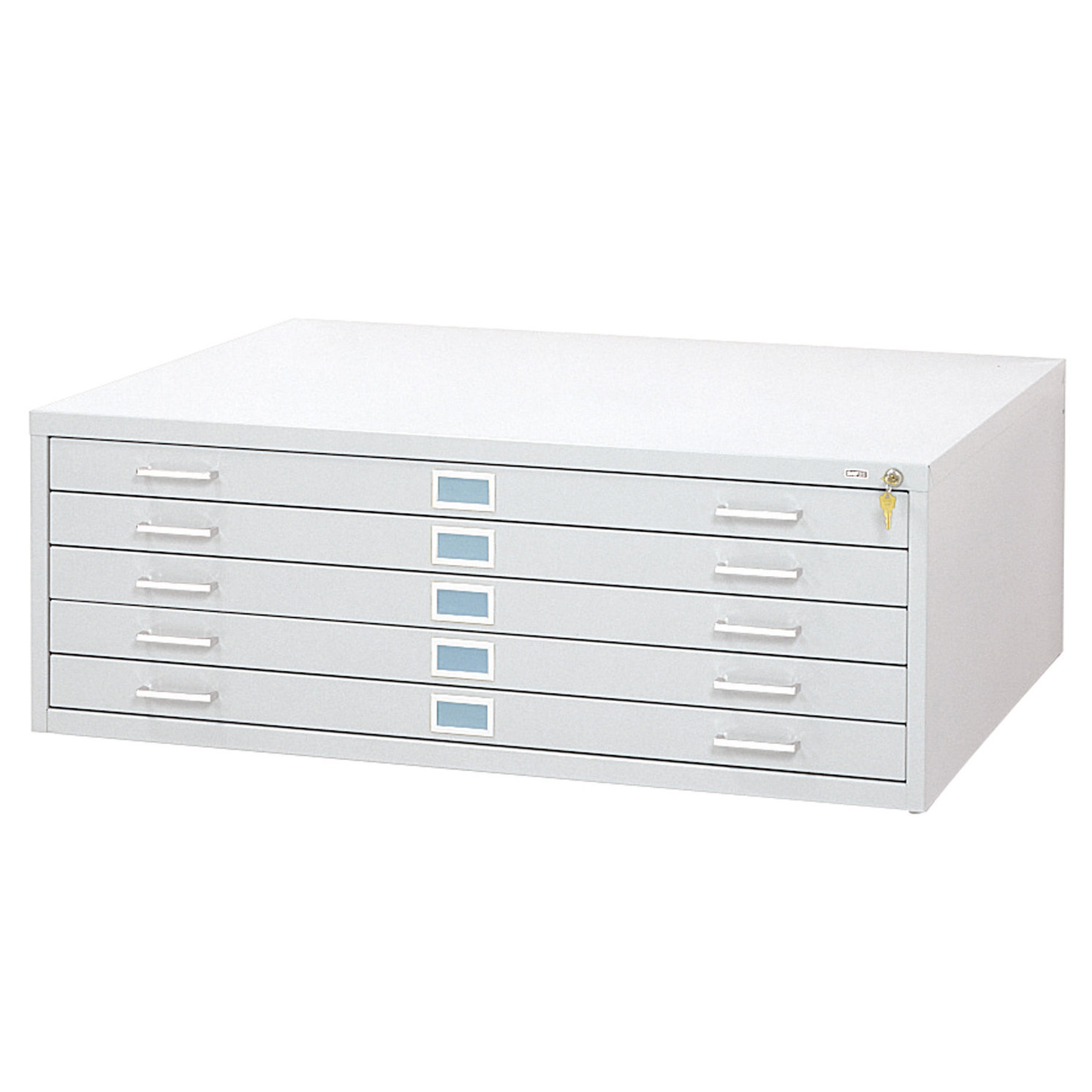
- Flat-file drawers for large sheets
- Hanging paper organizers to prevent curling
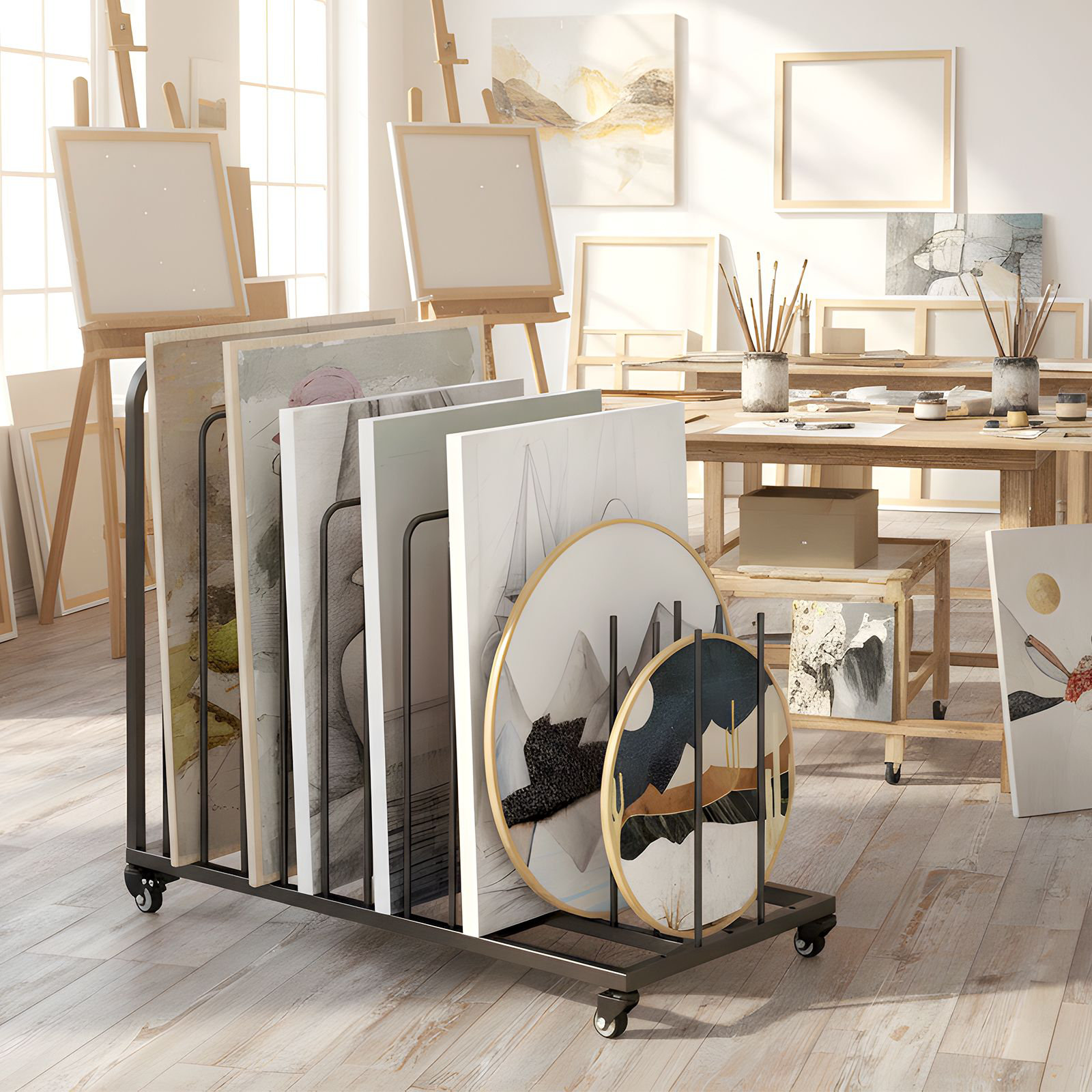
Recommended: Storage Canvas Rack
Paper and canvas require thoughtful storage to stay in good condition.
Without proper support, materials can warp, crease, or collect dust over time.
👉 This style of storage rack helps protect artwork while keeping it organized.
Archival storage boxes are a wise investment for finished works.
Art Canvas Storage, Art Drying Rack, Canvas Boards Rack Art Storage with Handle & Caster Wheels for Drawing Board, Panel, Paper Pad for Art Studios, Artworks, Gallery

Studio Upgrade Pieces (Next Level)
👉 Add these once your core system is in place
| 
| 
|
N/A | N/A | N/A |
9. Incorporate Hidden Storage for a Clutter-Free Look
Functional doesn’t have to mean visible. Hidden storage keeps the studio serene:
- Storage ottomans for multipurpose use
- Cabinets with pull-out shelves to hide supplies
- Furniture with built-in storage compartments
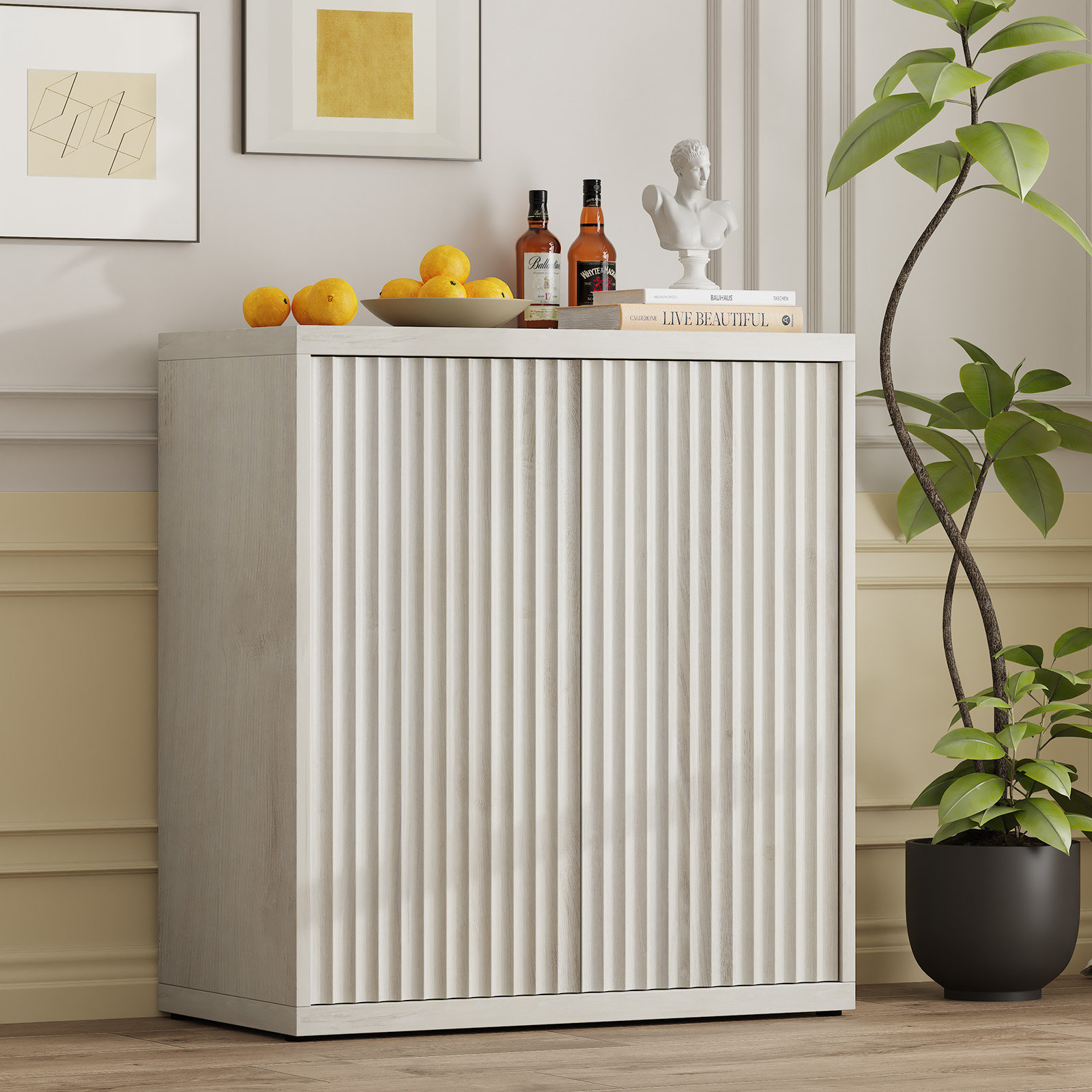
Recommended:VASAGLE Storage Cabinet
👉 This type of storage solution blends functionality with aesthetics.
Freestanding Floor Cabinet with Door, 11.8 x 21.7 x 32.3 Inches, Adjustable Shelf, for Bathroom, Living Room, Kitchen, Cloud White ULHC041WH01S

Hidden storage keeps your studio looking calm and clutter-free while still holding bulk supplies.

| 
| 
|
$64.59
| $161.48
| N/A |
This approach works especially well for items that aren’t used daily.
A clean visual space helps keep the mind focused on creating.
10. Maintain the System with Weekly Resets
Even the best setup needs upkeep. Many artists follow a quick reset routine:
- Do a weekly reset by putting supplies back in place
- Declutter unused materials every few months
- Keep a small trash bin nearby to discard scraps immediately
Common Art Studio Organization Mistakes
Even well-intentioned setups fail when these mistakes happen:
- Storing supplies without categories
- Using opaque bins (can’t see what you own)
- Overcrowding the workspace
- Not maintaining the system weekly
Fixing just one of these can dramatically improve your workflow.
Frequently Asked Questions
What is the best way to organize an art studio?
Start with categorizing supplies, then use drawer organizers, wall storage, and mobile carts.
How do you store art supplies in a small space?
Use vertical storage, rolling carts, and multi-purpose furniture.
What storage is best for art supplies?
Clear containers, drawer organizers, and labeled systems work best.
Final Thoughts: Build a Studio That Works for You
An organized art studio isn’t about perfection—it’s about creating a system that supports your creativity every single day.
Start with one category, build gradually, and invest in tools that make your workflow easier—not more complicated.
👉 If you’re ready to take your space to the next level, explore my full studio setup guide and curated product recommendations designed for artists who want both function and beauty.
The Complete Art Studio Setup Guide for Creatives
Build Your Full Studio System
Once your supplies are organized, the next step is designing your full workspace: