This post contains affiliate links. If you buy through them, I may earn a small commission at no extra cost to you.
In a busy, noisy world, few things feel as restorative as slowing down with a flower and a sketchbook. A botanical nature journal combines pressed flowers, simple sketches, and personal reflections into a keepsake of your time outdoors, and the process itself is a beautiful form of mindfulness.
Why Nature Journaling Feels So Good
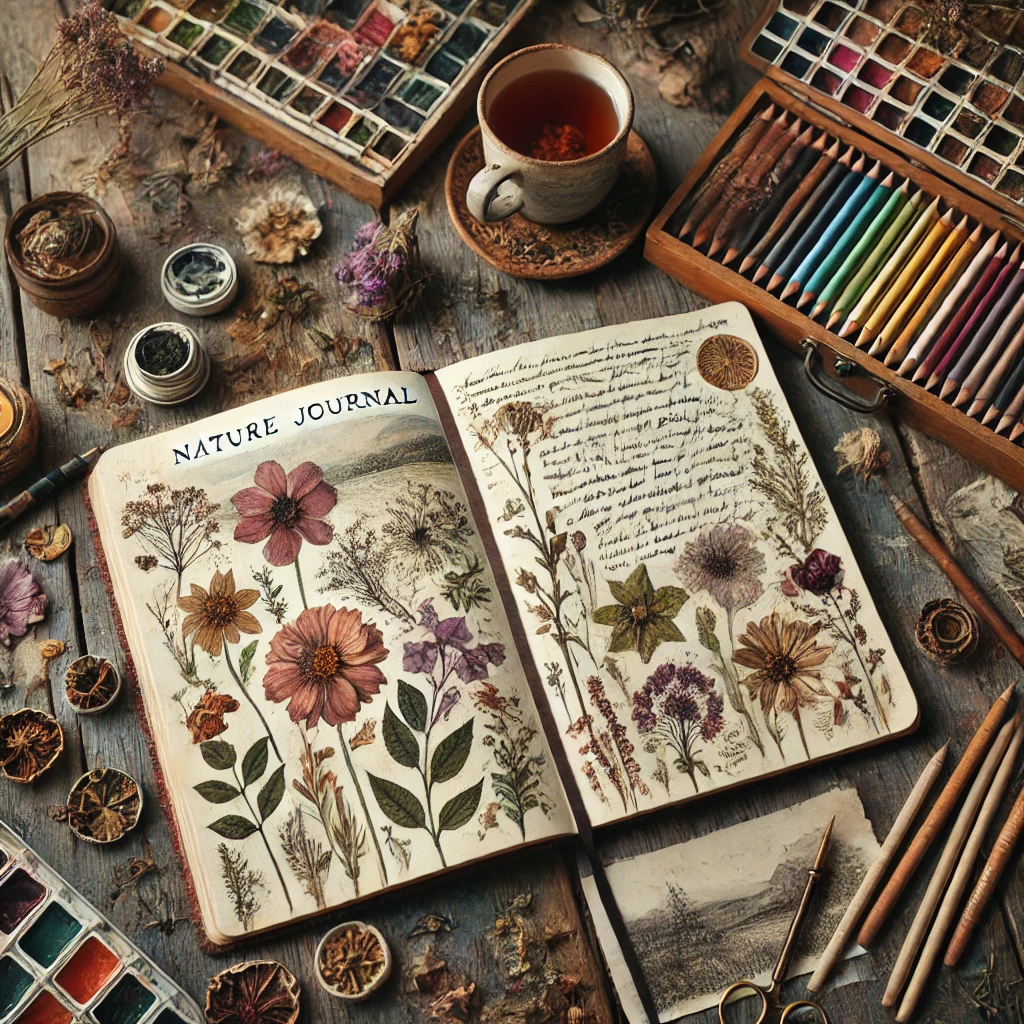
- It sparks creativity, blending writing, drawing, and pressing.
- It helps you unwind. Many people find creative, hands-on activities deeply calming.
- It invites you outdoors and deepens your connection to nature.
- It sharpens attention as you observe and record.
- It becomes a treasured keepsake of seasons and memories.
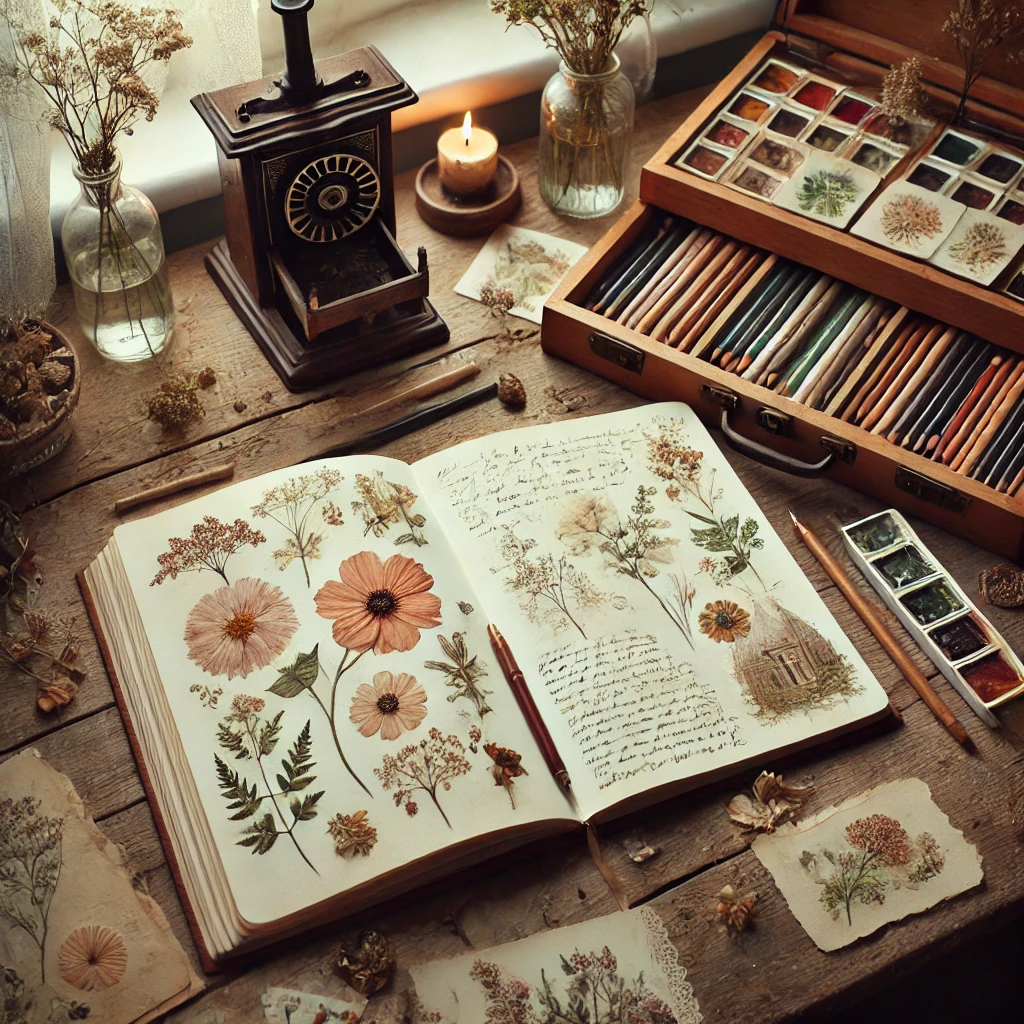
Step 1: Gather Your Supplies
- A sturdy journal with acid-free paper. See a handmade vintage journal.
- Pressed flowers and leaves from your walks.
- Fine-tip pens and watercolor pencils. See sketch pens and watercolor pencils.
- Glue or washi tape to attach botanicals gently.
- A flower press or heavy books. See a mini flower press.
- A magnifying glass for tiny details.
- Stickers and embellishments. See botanical stickers.
Step 2: Collect and Press
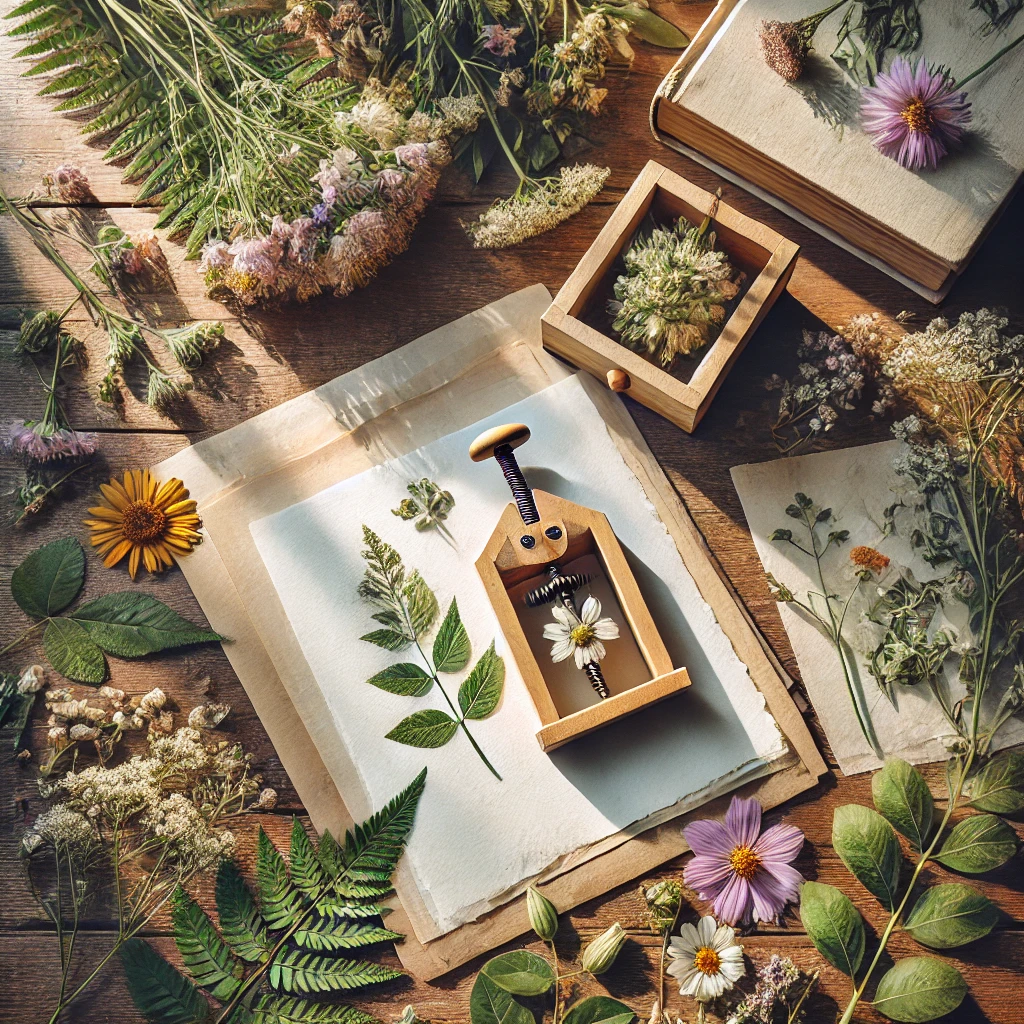
- Choose fresh botanicals with interesting shapes and colors, picking only where it is allowed and leaving plenty for pollinators.
- Press them between parchment inside a book, weighted with more books.
- Wait one to two weeks until completely dry.
- Store them somewhere dry.
Tip: a microwave flower press speeds things up. See a quick flower press.
Step 3: Sketch and Reflect
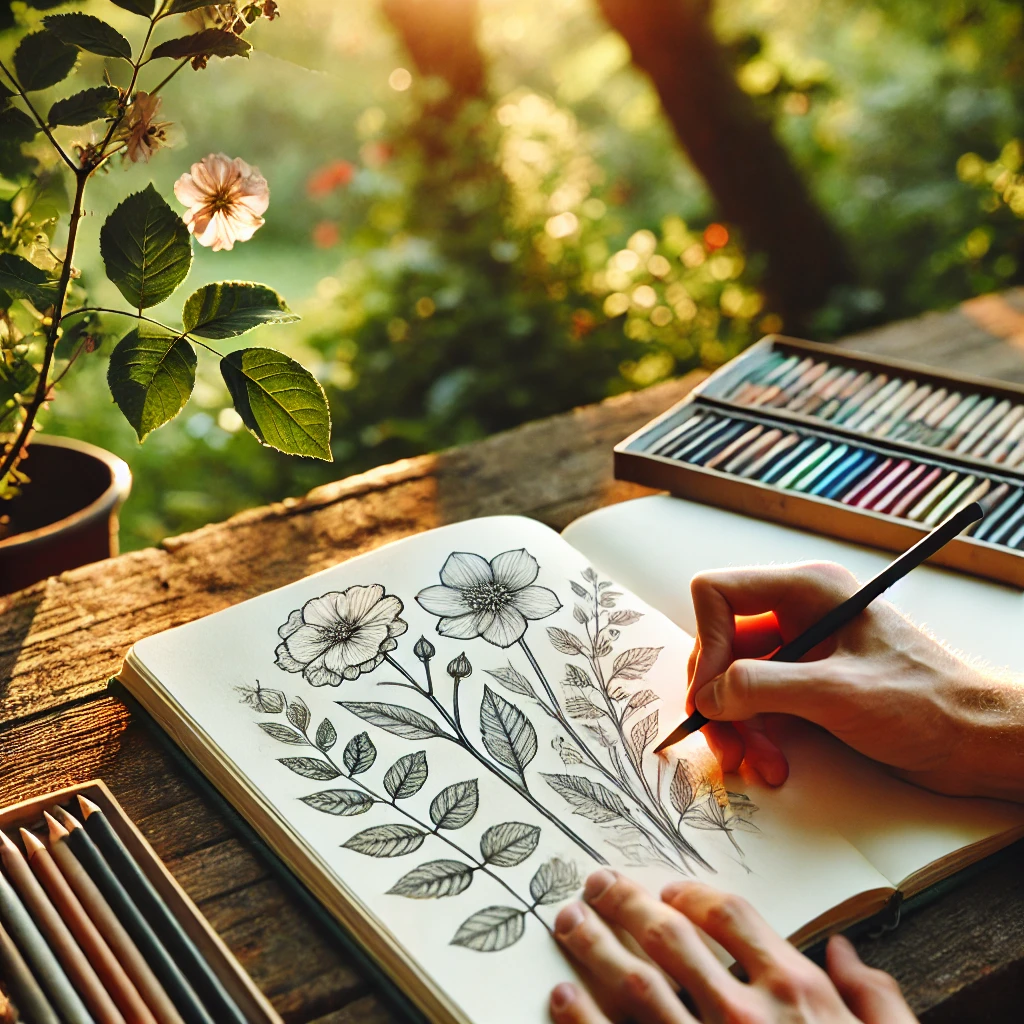
- Sketch outlines and details with simple contour lines.
- Add soft watercolor washes.
- Note where and when you found each plant.
- Describe textures and scents.
- Include a favorite poem or quote.
Example entry: “I found this lavender sprig along a quiet garden path. Its scent was soothing, and its soft purple reminded me of a calm summer morning.”
Step 4: Assemble Your Pages
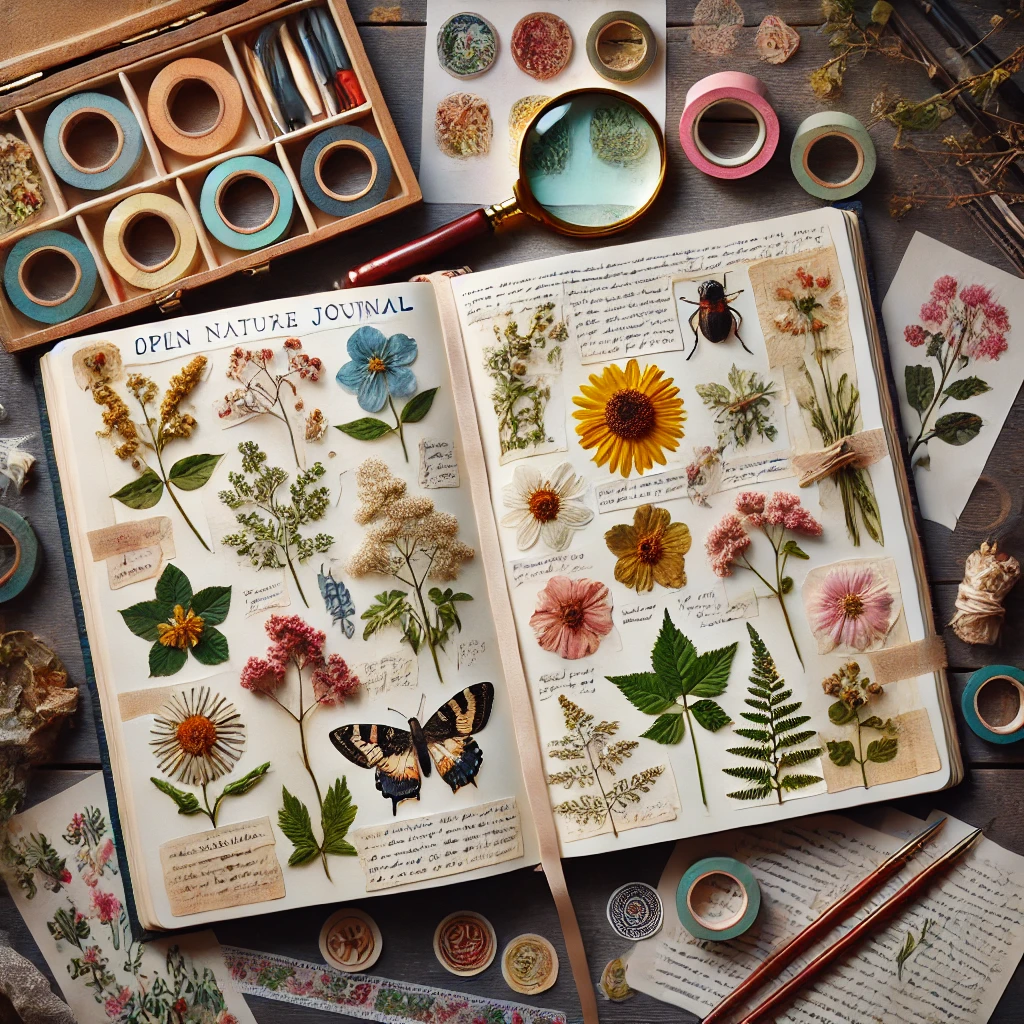
- Attach flowers with archival glue or washi tape.
- Frame sketches with simple borders.
- Layer sketches, words, and photos for interest.
- Add handwritten notes in calligraphy. See a calligraphy pen set.
Styling idea: a vintage botanical theme with tea-stained paper feels timeless.
Step 5: Keep It Growing
- Record the same plants through the seasons.
- Add textures such as dried herbs, lace, or fabric.
- Use prompts when you need inspiration. See nature journaling prompts.
Share Your Craft
If you fall in love with nature journaling, you might sell handmade journals on Etsy, teach a class, share tutorials online, or write a beginner’s guide of your own.
Final Thoughts
Nature journaling is a gentle, artistic way to slow down, connect with the outdoors, and preserve the beauty you find along the way.
Begin with a single flower and a single page. Shop nature journaling essentials, and follow Artistic Blossom Studio on Pinterest.