This post contains affiliate links. If you buy through them, I may earn a small commission at no extra cost to you.
Ballroom gowns have always been wearable art. From the regal volume of the Victorian era to the sculpted lines of modern couture, every period offers its own inspiration for fashion sketching. Exploring these eras will help you draw gowns that blend vintage glamour with contemporary style. Let’s travel through time, one silhouette at a time.
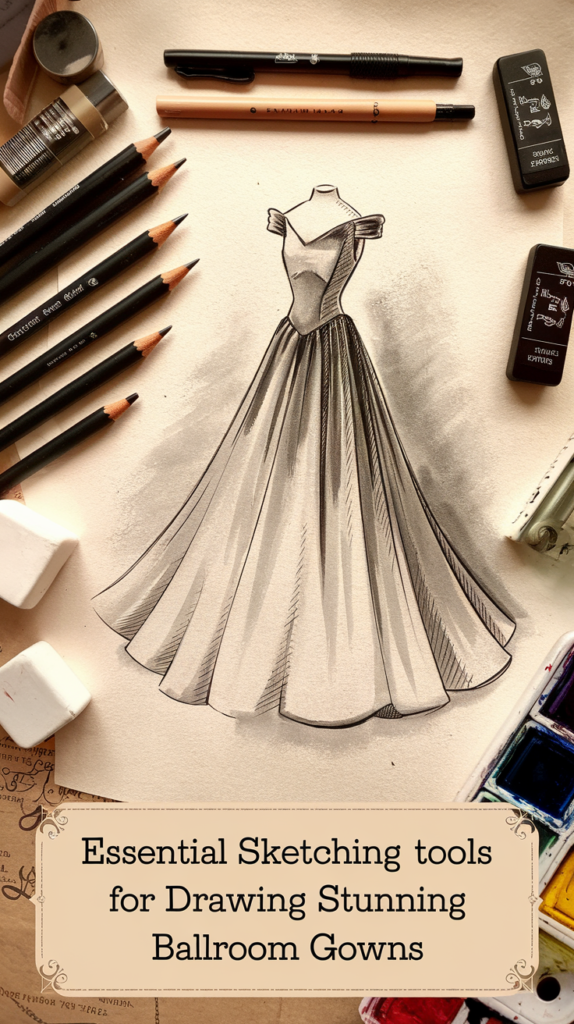
Victorian Opulence (1800s)
Victorian gowns were the height of grandeur: high necklines, fitted corsets, and voluminous skirts in satin and tulle. A strong sketch captures the intricate lace and dramatic structure.
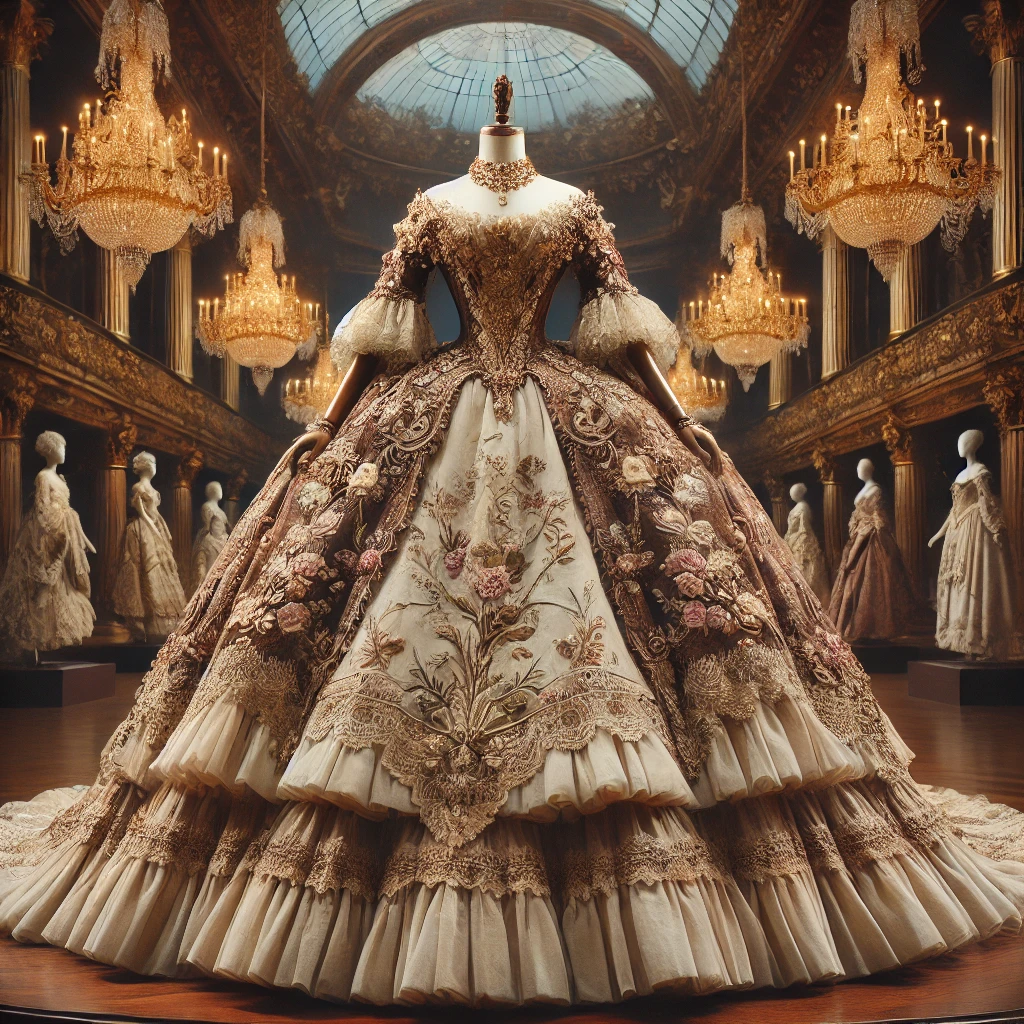
Sketching tips: Use soft, flowing lines for layers and draping. Render lace with delicate pencil strokes or fine ink. Shade the deep folds of heavy skirts to create depth.
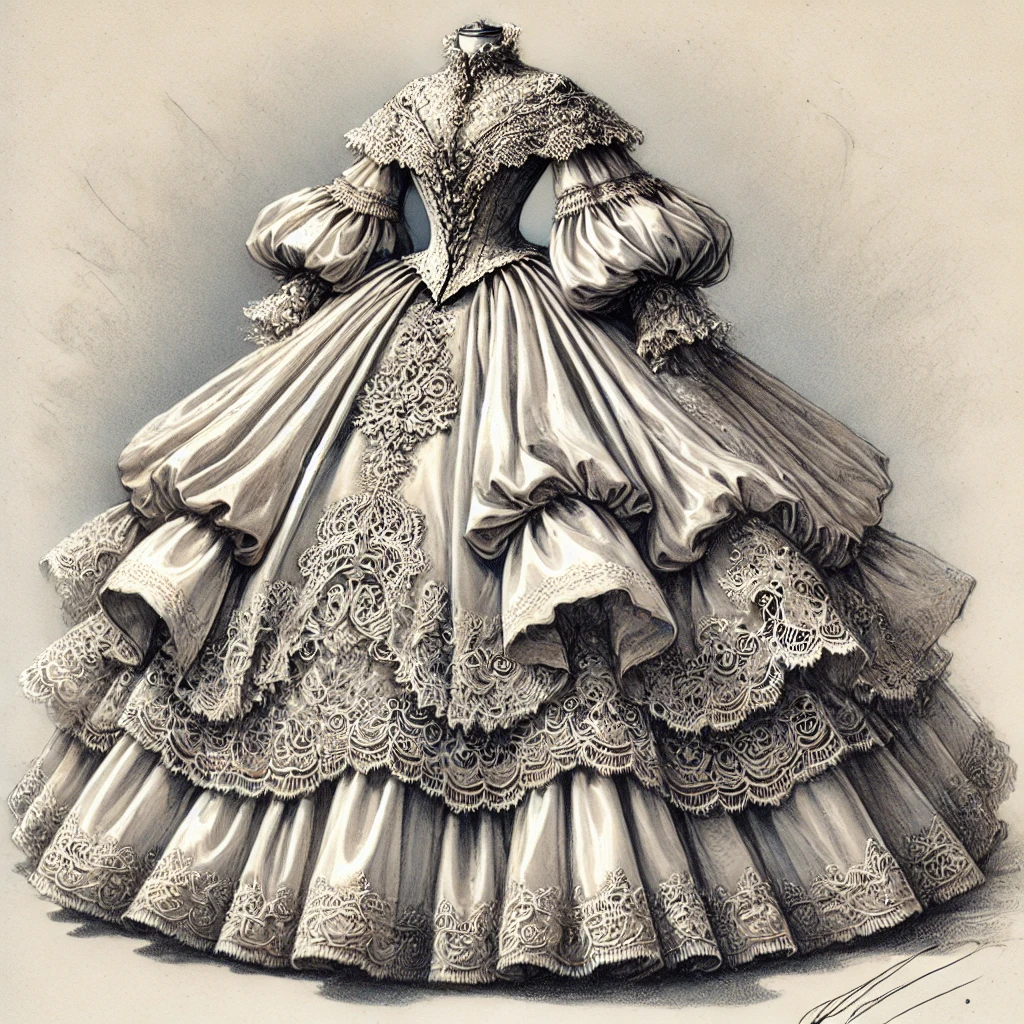
Tools: a professional graphite pencil set for precise shading and fine-line drawing pens for lacework.
Roaring Twenties Glamour (1920s)
The Jazz Age swapped corsets for lightweight beaded dresses with dropped waists and Art Deco embellishment. Your sketch should celebrate the swing of fringe, sequins, and geometry.
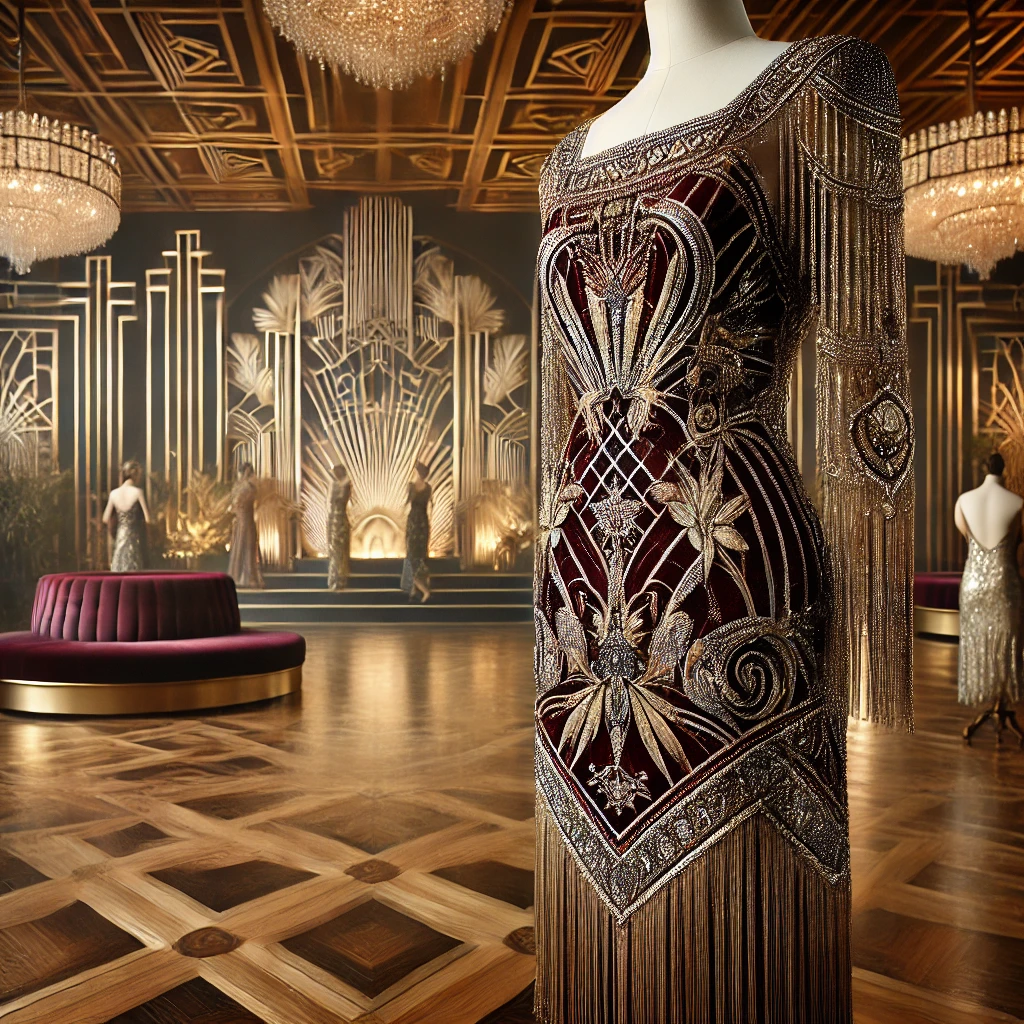
Sketching tips: Draw fringe and beading with quick, dynamic strokes to suggest movement. Add shimmer with small highlights. Lean into bold geometric patterns.
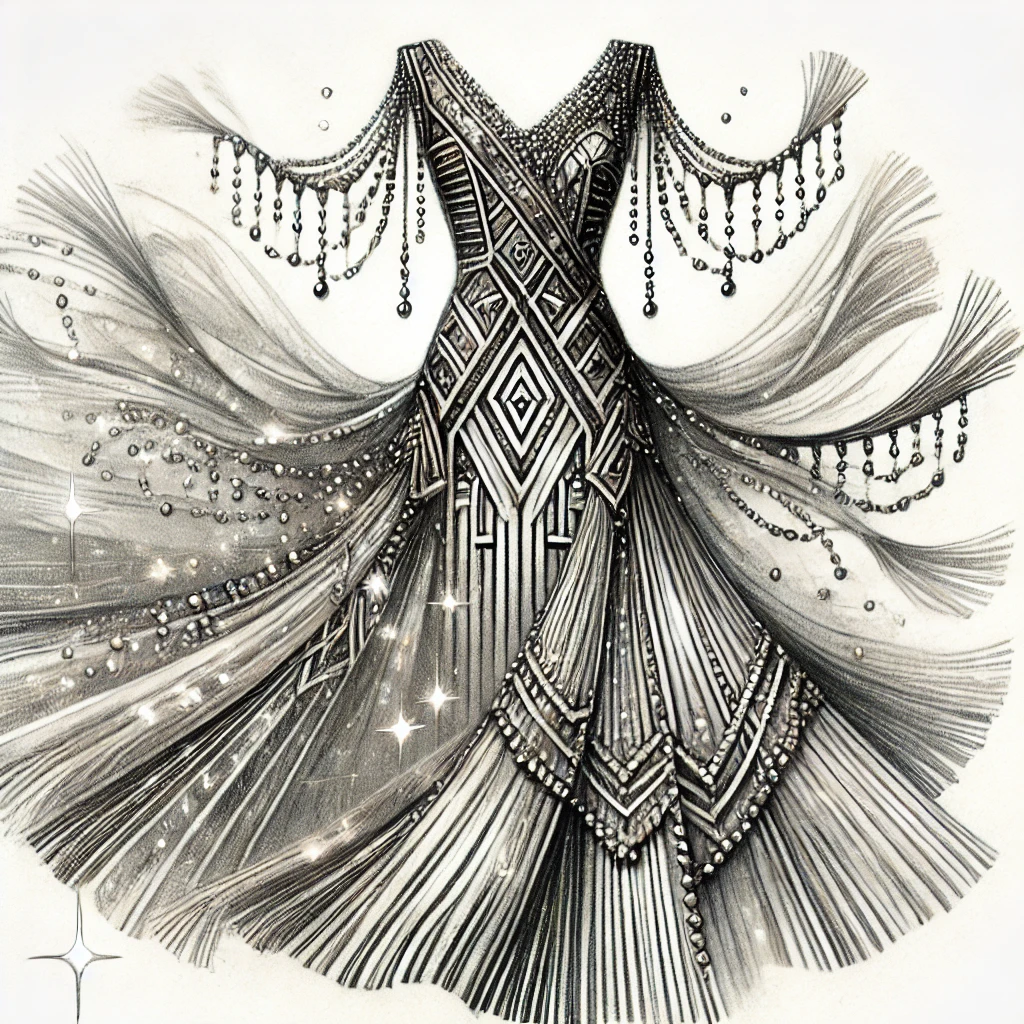
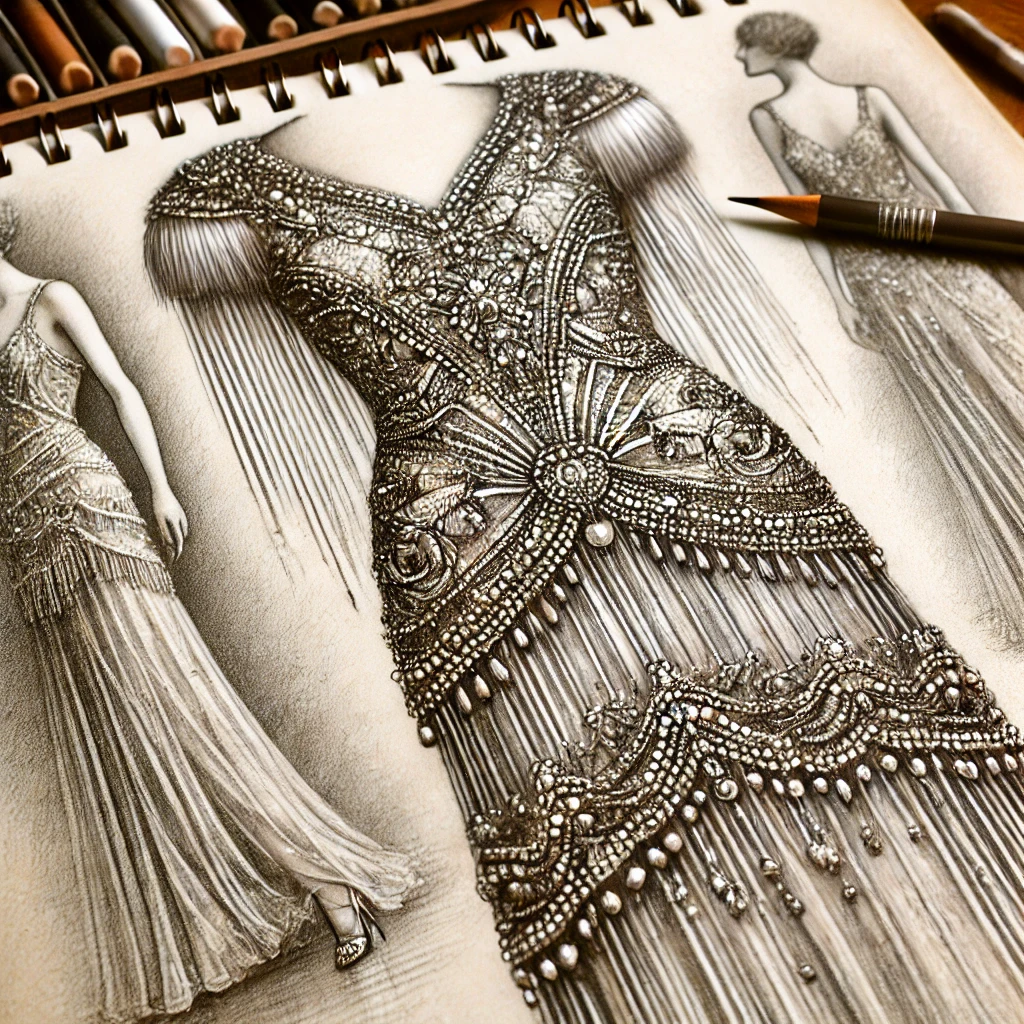
Tools: metallic gel pens for sparkle and soft charcoal pencils for high-contrast Deco designs.
Old Hollywood Elegance (1940s and 1950s)
Figure-skimming satin, off-the-shoulder necklines, and sweeping trains defined the silver screen. Think of the grace of classic film stars when you sketch.

Sketching tips: Build silky textures with smooth, gradual shading. Use strong contrast to define folds. Finish with pearls or delicate embroidery.
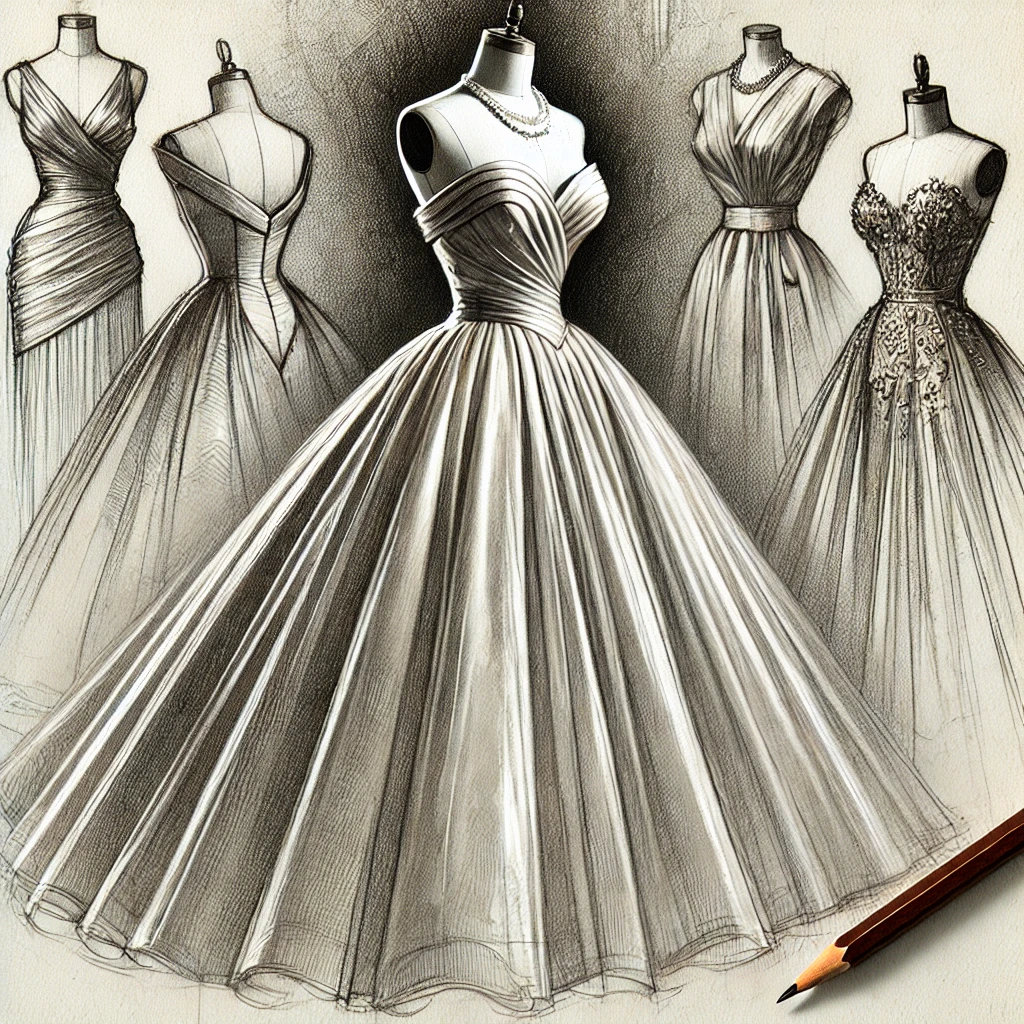
Tools: blending stumps for satin smoothness and a heavyweight sketchbook that resists smudging.
Ethereal Boho (1960s and 1970s)
These decades brought a softer romance: empire waists, flowing chiffon, and floral embroidery.

Sketching tips: Keep lines light and wispy for chiffon. Add lace and floral detail. Try pastel tones for a dreamy mood.
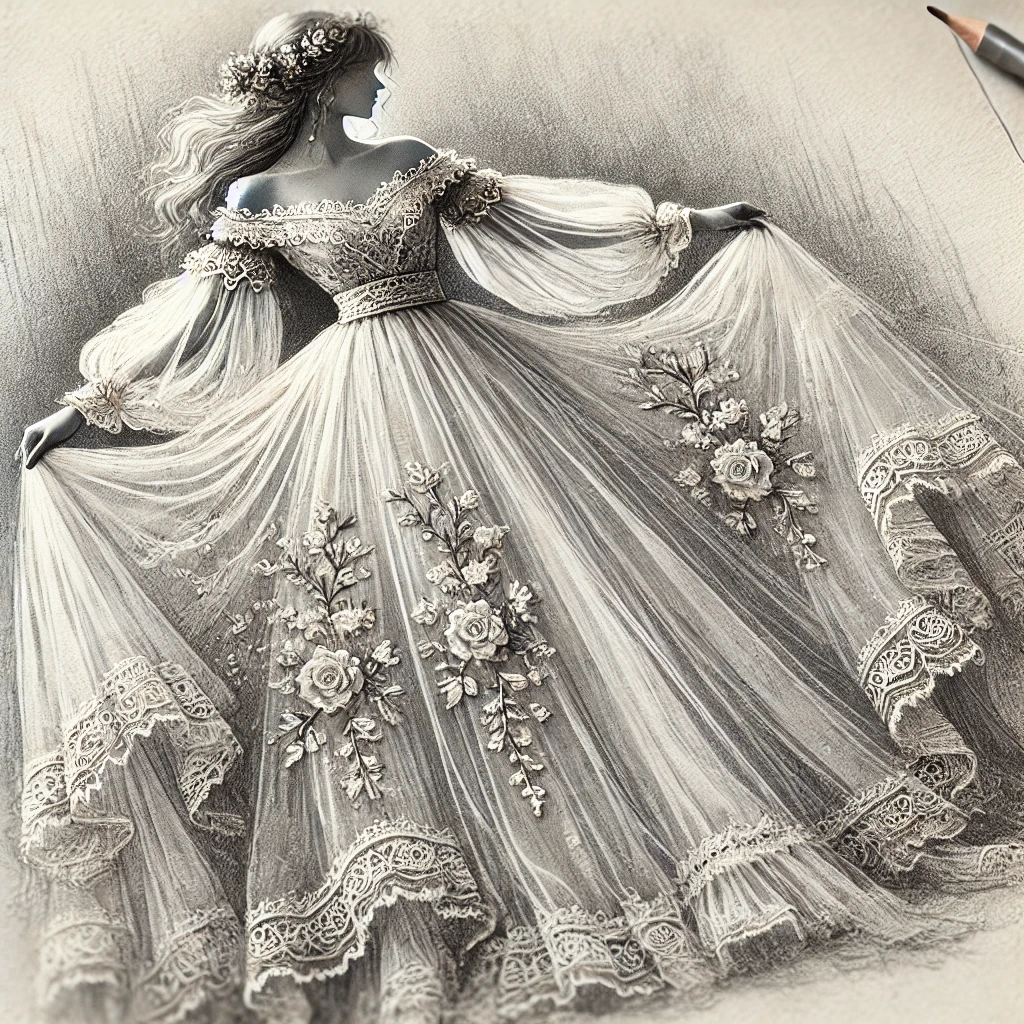
Tools: a colored pencil set for soft hues and watercolor brush pens for airy washes.
Gothic Glamour (1980s and 1990s)
Dramatic silhouettes, jewel tones, velvet, and lace overlays gave evening wear a dark romantic edge.
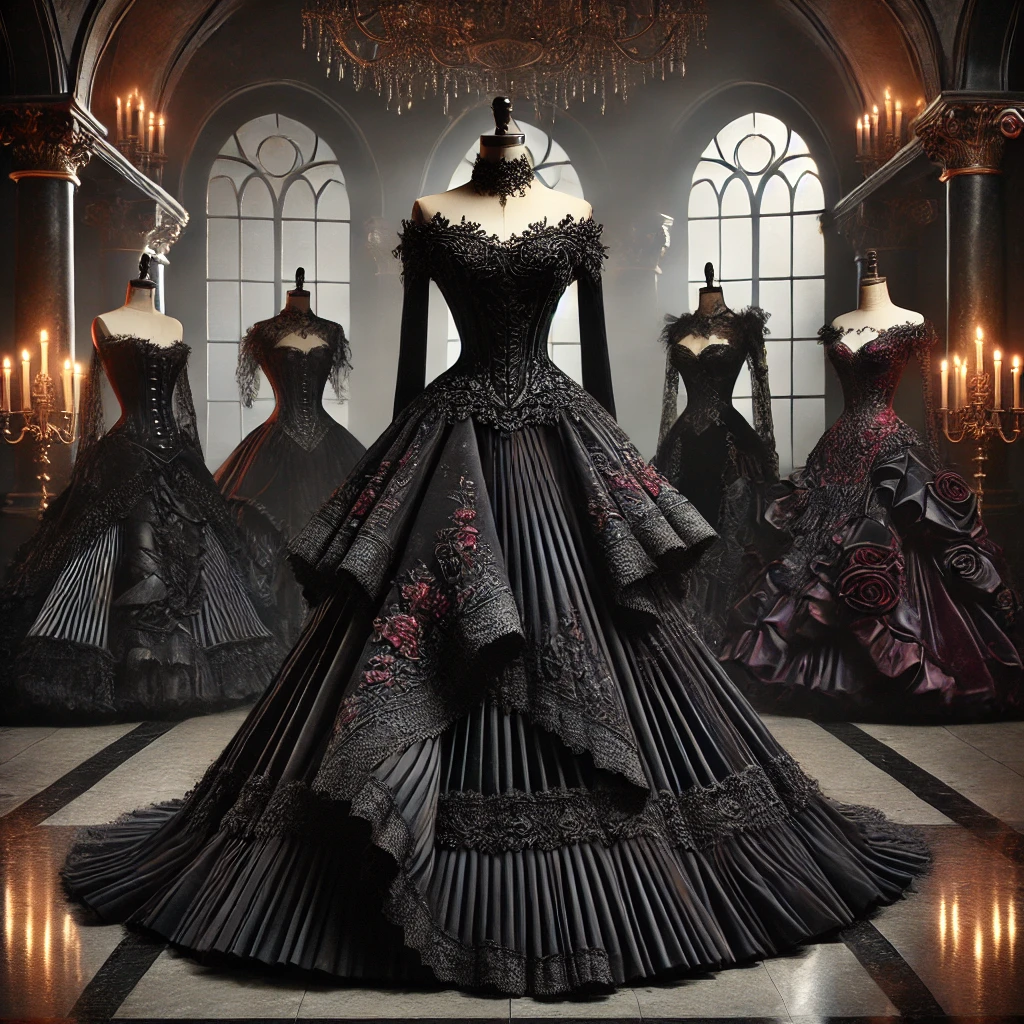
Sketching tips: Layer heavy shading to capture velvet’s depth. Use bold outlines and high contrast. Add lace for a romantic yet edgy finish.
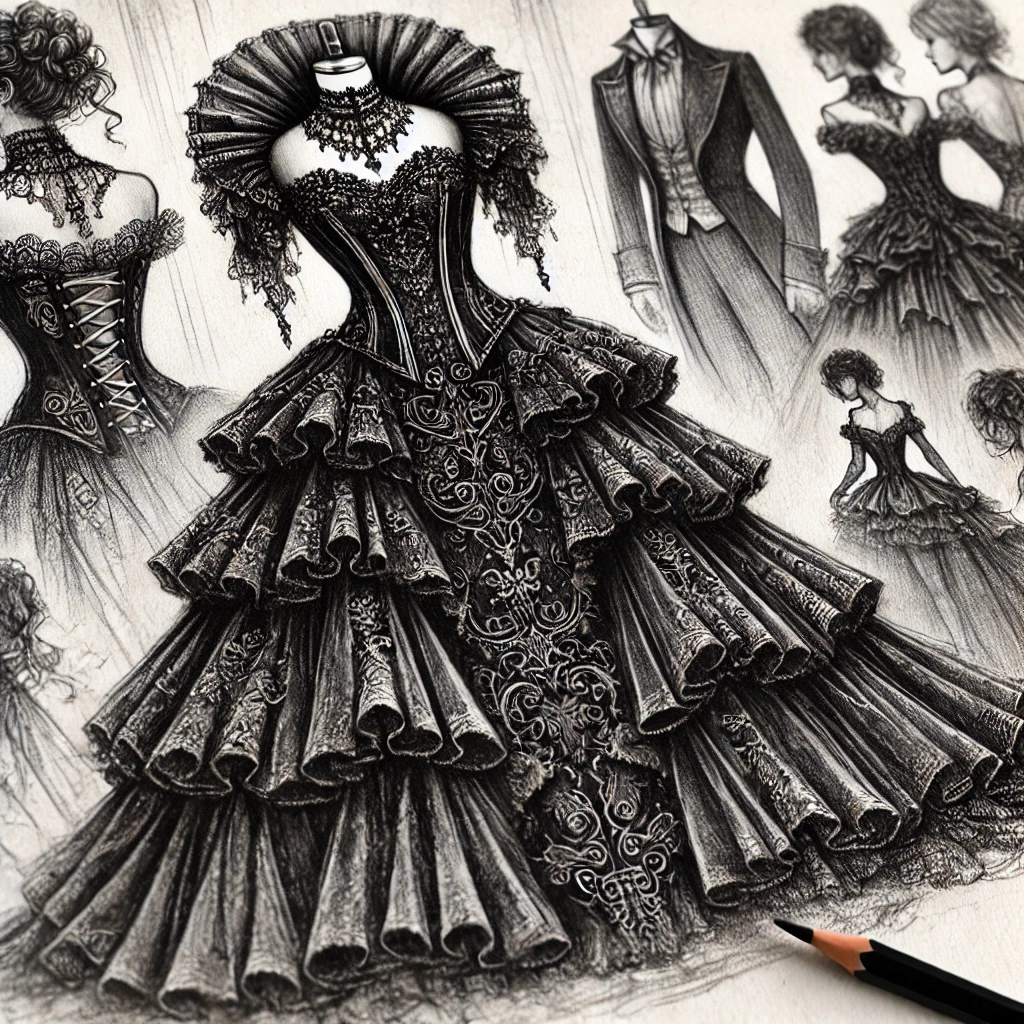
Tools: black and white ink pens for lace and a soft pastel set for rich, moody color.
Modern Minimalism Meets Couture (2000s to Today)
Contemporary gowns balance sleek simplicity with avant-garde drama: high slits, sculptural shapes, and unexpected fabrics.
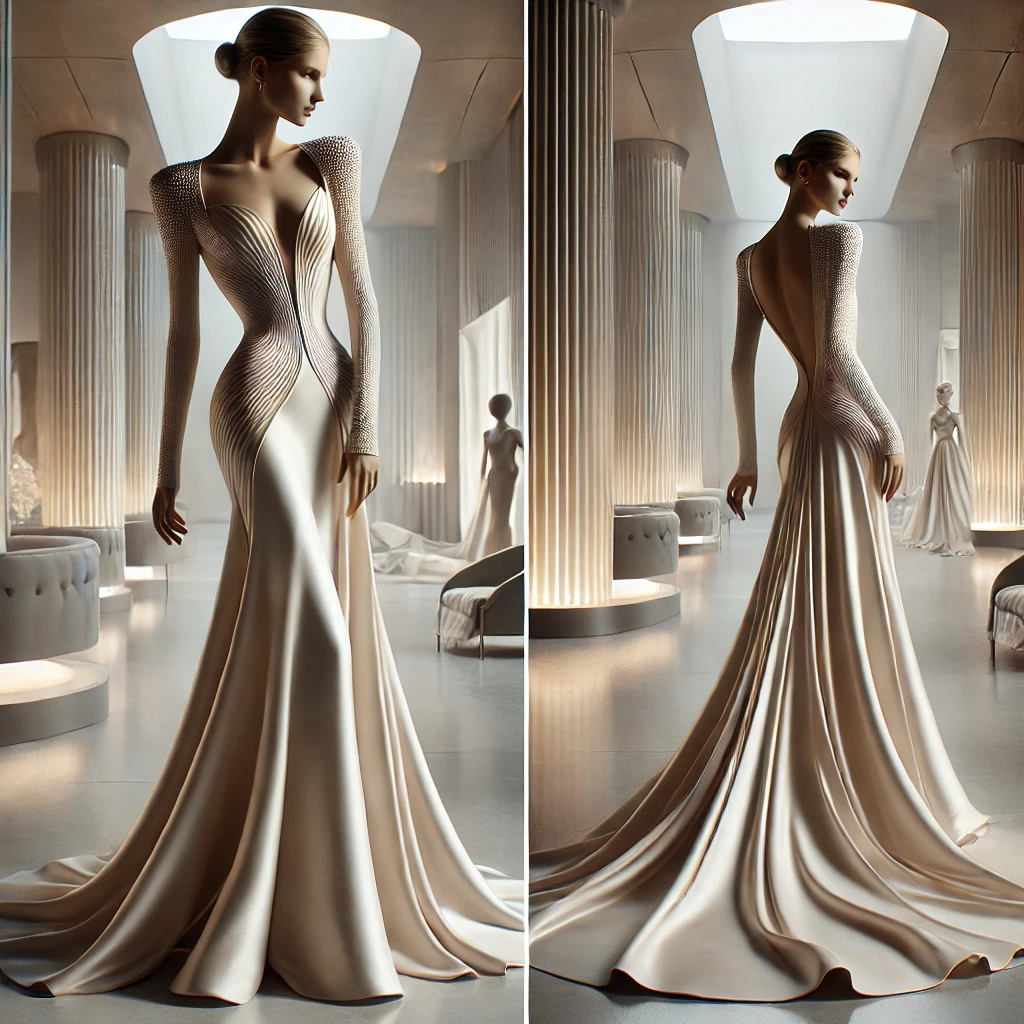
Sketching tips: Keep lines clean and structured. Use negative space to create striking silhouettes. Highlight metallic sheen for a futuristic look.
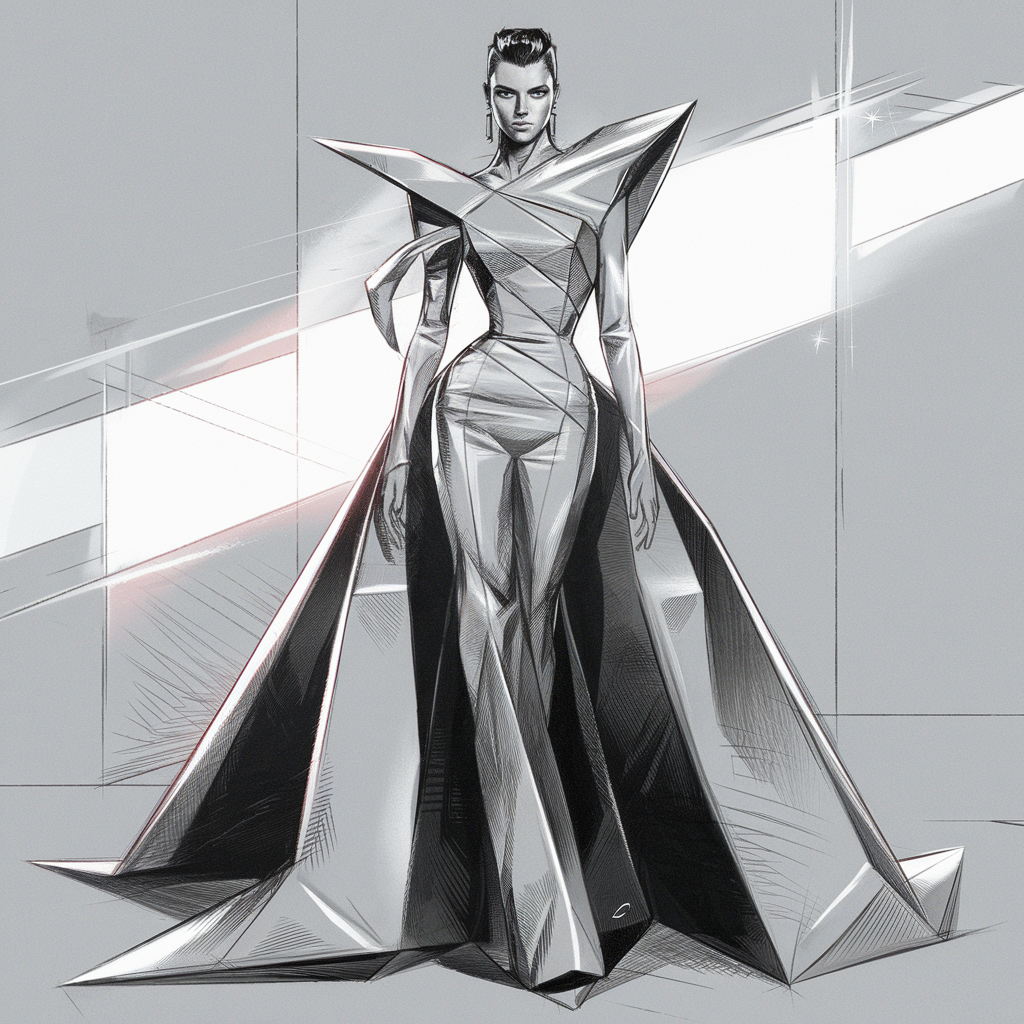
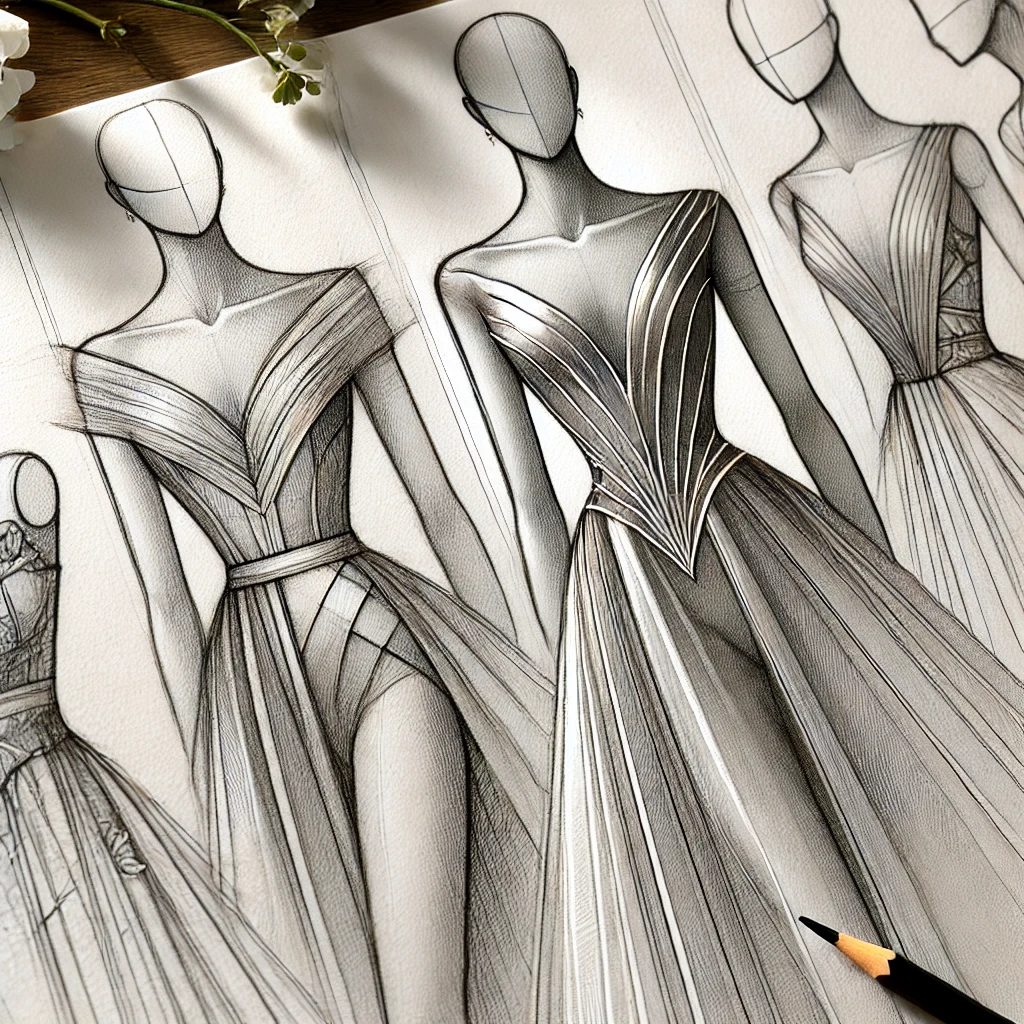
Tools: a mechanical pencil set for crisp lines and Copic markers for smooth, modern color.
Merging Past and Present
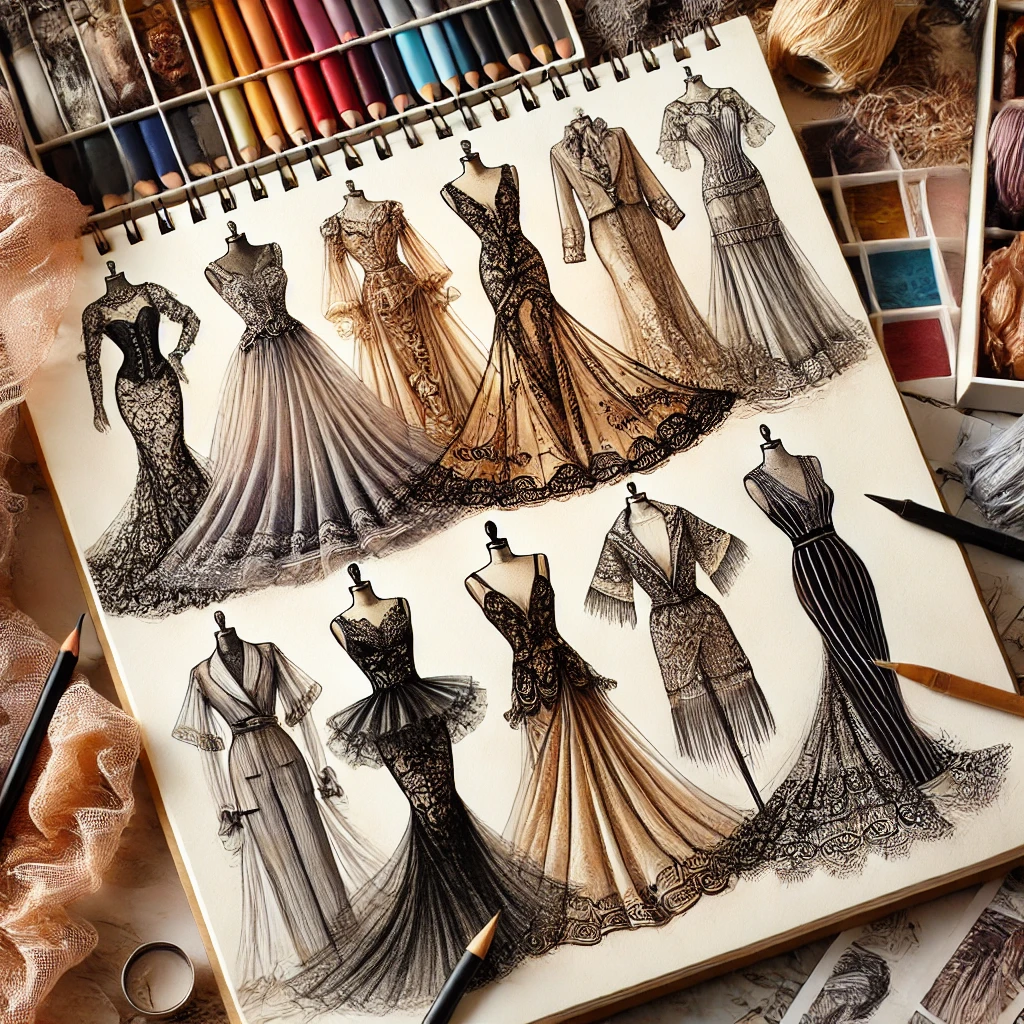
Blending eras is where your own style emerges. Try pairing:
- Victorian corsetry with modern sheer panels
- 1920s beading on a minimalist silhouette
- Flowing boho fabric with structured avant-garde shapes
Finishing Touches
Add shading and texture for realism, experiment with palettes from soft pastels to jewel tones, and present your sketches beautifully. For a fun challenge, sketch a ballroom gown inspired by your favorite era. For more drawing guidance, see Graphite vs. Lead Pencils.
Whether you love gothic drama or modern sleekness, sketching ballroom gowns is an enchanting way to explore history and express your creativity. Share your designs, and follow Artistic Blossom Studio on Pinterest.