Choosing the right paper can completely change your charcoal drawings—from muddy, hard-to-control shading to smooth, professional-looking results.
The best charcoal paper provides the right balance of texture (tooth), weight, and durability, allowing you to blend, layer, and erase without damaging the surface.
In this guide, we’ll break down the best charcoal papers for every level—from beginner-friendly options to professional-grade sheets used for portraits and gallery work.
👉 If you’re short on time, start with the quick picks below.
All skill levels 
|
Budget-friendly 
|
Portrait work 
|
$11.53
| $11.10
| $19.88
|
Let’s take a closer look at each of these papers and why artists choose them
Best Overall Charcoal Paper (All Skill Levels)
Canson Mi-Teintes Pastel Paper (160 gsm)
Why artists consistently choose it:
- Dual-sided surface: one side for texture and grip, one for smoother detail work
- Ideal balance of blendability and control
- Available in a wide range of toned colors for stronger contrast
- Acid-free and archival for long-term artwork preservation
Best for:
- Beginners to advanced artists
- Portrait studies and finished drawings
- Artists who want flexibility in texture and technique
Quick Verdict:
If you want a reliable, versatile charcoal paper that works at every skill level, this is one of the safest and most popular choices.
✔ Two surfaces = more control over your technique
✔ Excellent charcoal grip without being too rough
✔ Works for both practice and finished artwork
✔ Easy to find and highly rated (great for first purchase)
Assorted Colors, Foldover Pad, 9x12 inches, 24 Sheets (98lb/160g) - Artist Paper for Adults and Students
Best Budget-Friendly Charcoal Paper (Beginner to Intermediate)
Strathmore 400 Series Heavyweight Drawing Pad (100 lb / 163 gsm)
Why this is a strong entry-level choice:
- Heavier weight than standard sketch paper → better for layering charcoal
- Medium surface provides balanced grip and smooth blending
- Durable enough for erasing and reworking without tearing
- Affordable and widely available (ideal for consistent practice)
Best for:
- Beginners learning charcoal techniques
- Intermediate artists refining shading and blending
- Everyday sketching and portrait studies
Quick Verdict:
If you want an affordable paper that still delivers clean, controlled charcoal results, this is one of the best starting points.
✔ Stronger than sketch paper (holds charcoal better)
✔ Smooth blending with enough texture for control
✔ Great for practice without sacrificing quality
✔ Budget-friendly and easy to reorder
Fabriano Tiziano Paper
Why professionals choose it:
- Strong surface grip
- Elegant texture
- Archival quality
- Beautiful tonal options
Best for:
- Commissioned portraits
- Gallery-level work
- Finished pieces
Quick Verdict:
If you want your charcoal portraits to look refined, dimensional, and professional, this is one of the most reliable papers available.
✔ Holds detail without over-grabbing charcoal
✔ Ideal balance of control + blendability
✔ Professional finish (great for selling artwork)
Best Heavyweight Paper for Large-Scale Work
Arches Heavyweight Textured Sheets
Why it’s ideal for large drawings:
- High durability
- Holds multiple layers
- Resistant to tearing
- Excellent for framing
Best for:
- Large portraits
- Exhibition work
- Professional portfolios
Quick Verdict:
If you’re working big—or layering heavily—this paper gives you maximum durability and control.
✔ Won’t buckle under heavy charcoal layers
✔ Perfect for large-scale, high-impact pieces
✔ Long-lasting, gallery-level quality
If you’re just starting out, begin with Strathmore. If you want more texture and flexibility, upgrade to Canson Mi-Teintes.
Toned vs White Paper: Which Should You Choose?
Choose Toned Paper If:
- You want instant mid-tones
- You plan to add white charcoal highlights
- You prefer dramatic contrast
Choose White Paper If:
- You want maximum flexibility
- You’re practicing shading techniques
- You prefer subtle tonal build-up
Pro Insight:
Most professional portrait artists prefer toned paper because it cuts drawing time in half and enhances realism.
Paper Size Guide for Charcoal Artists
Small Pads (9×12)
Best for:
- Daily practice
- Sketch studies
- Travel work
Medium Pads (11×14 / 12×18)
Best for:
- Portrait studies
- Portfolio building
Large Sheets (18×24+)
Best for:
- Statement pieces
- Commission work
- Gallery submissions
If your goal is to sell your work → start practicing on medium, finish on large.
Protecting Your Charcoal Artwork
Paper alone isn’t enough—protection is what makes your work last and sellable.
Charcoal is delicate—without proper protection, even your best work can smudge or fade. These essentials help preserve your artwork long-term and professionally.
Essentials to Protect Your Drawings:
- Workable fixative spray (locks charcoal without dulling tones)
- Archival portfolio cases (prevents smudging)
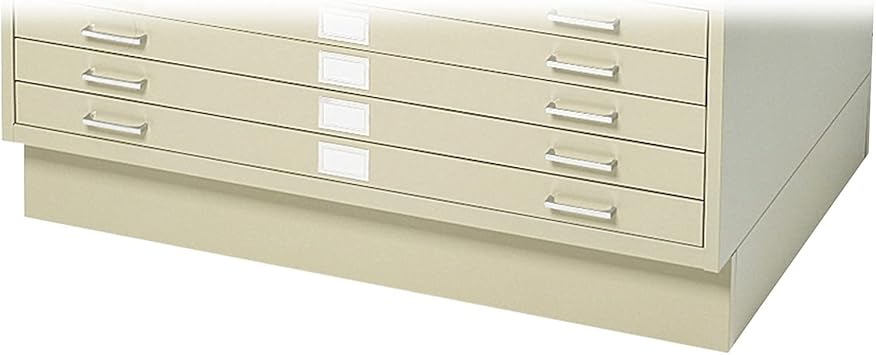
- Flat file storage cabinets (professional organization)
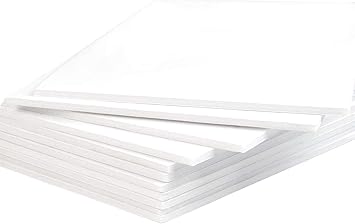
- Acid-free backing boards (prevents yellowing)
- Protective sleeves (ideal for transport & selling)

| 
| 
| 
| 
|
Upgrade Tip:
If you plan to sell your art, fixative + archival storage is non-negotiable.
👉 : How to Organize Your Charcoal Supplies
👉 : The Ultimate Charcoal Drawing Studio Setup Guide
Quick Comparison: Best Charcoal Papers (2026)
| Brand | Best For | Texture Level | Toned Options | Archival | Skill Level |
|---|---|---|---|---|---|
| Canson Mi-Teintes | Overall performance | Medium tooth | Yes | Yes | Beginner → Pro |
| Strathmore 400 Series | Budget-friendly | Medium | Limited | Yes | Beginner |
| Fabriano Tiziano | Portrait work | Medium-heavy | Yes | Yes | Intermediate → Pro |
| Arches Sheets | Large scale work | Heavy | Some | Yes | Professional |
Upgrade Your Charcoal Studio
Artists who get professional results faster usually upgrade their setup.
Recommended Upgrades:
- Adjustable drafting table → better posture + blending control
- Solid wood easel → stability for large work
- Daylight studio lighting → accurate value perception
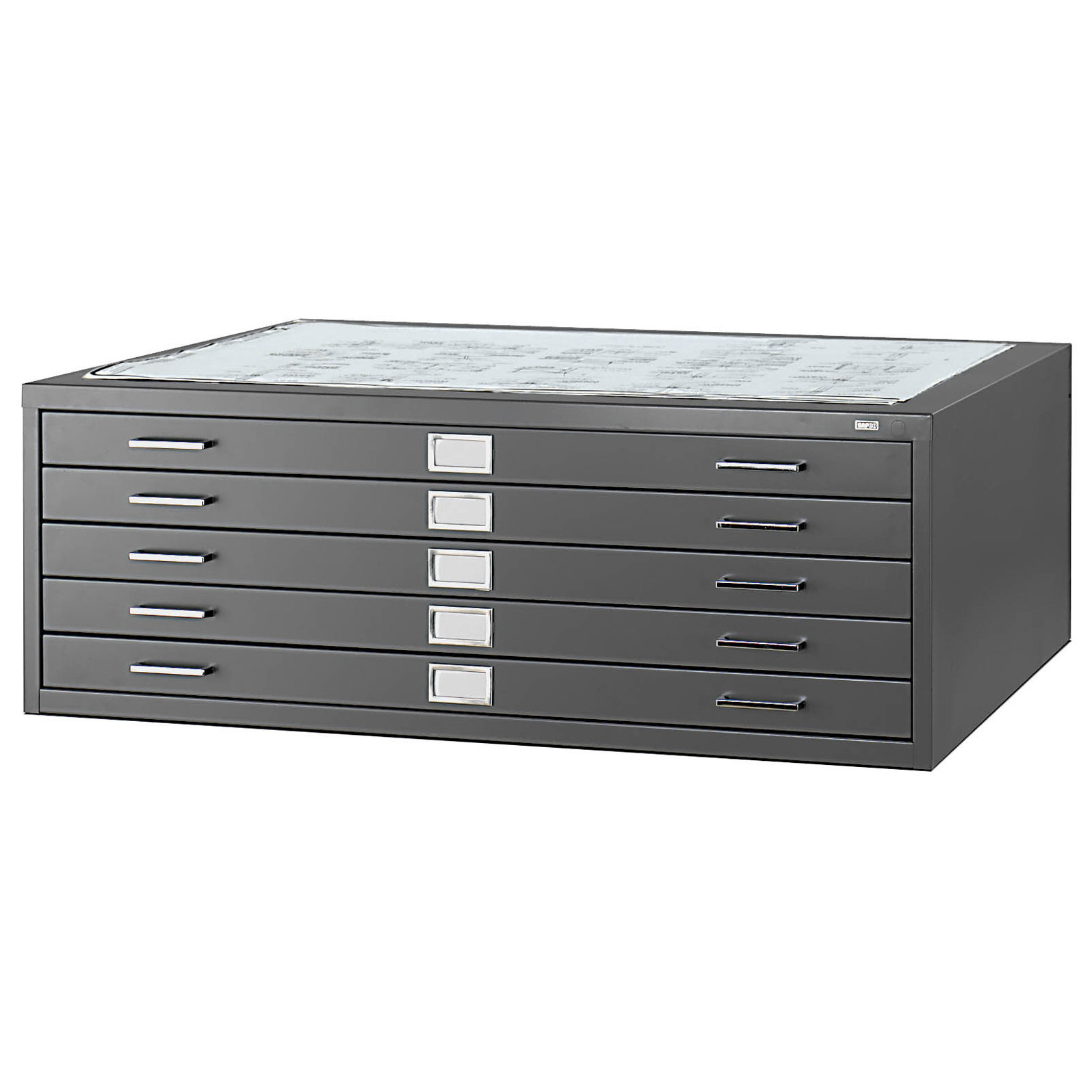
- Flat file cabinet → protects finished pieces
- Dedicated art desk → improves workflow
- Air purifier → reduces charcoal dust exposure
Your environment directly impacts your results just as much as your materials.

| 
| 
| 
| 
|
$242.18
| $199.95
| $224.99
| N/A | $310.00
|
Beginner Paper Setup vs Professional Setup
Beginner Setup
- Charcoal paper pad (mid-weight)
- Kneaded eraser
- Blending stump
- Basic drawing board
Professional Setup
- Archival toned sheets
- Multiple paper weights
- Drafting table
- Fixative
- Flat file storage
Key Difference:
Professionals invest in control + longevity, not just materials.
Best Paper by Artist Type
| If You Are… | Choose This |
|---|---|
| Beginner practicing shading | Strathmore 400 |
| Portrait artist | Fabriano Tiziano |
| Mixed-level artist | Canson Mi-Teintes |
| Selling large artwork | Arches heavyweight sheets |
Paper Weight & Size Guide
| Use Case | Recommended Weight | Size Suggestion |
|---|---|---|
| Daily sketching | 100 lb (160 gsm) | 9×12 |
| Portrait studies | 160–200 gsm | 11×14 or 12×18 |
| Commission work | 200+ gsm | 18×24+ |
Frequently Asked Questions
Can you use watercolor paper for charcoal?
Yes—but choose cold-press for better texture and grip.
What weight paper is best for charcoal?
At least 160 gsm, heavier for large or layered work.
Does charcoal ruin paper?
Only if the paper is too thin or too smooth.
How to Organize Your Charcoal Supplies
The Ultimate Charcoal Drawing Studio Setup Guide
- Best Drawing Desks for Artists
- Best Art Storage Solutions
- Lighting for Art Studios
Pair your paper choice with the right studio setup for professional results.
| Upgrade | Why It Helps | Best For |
|---|---|---|
| Drafting table | Improves blending control | Frequent artists |
| Flat file cabinet | Protects artwork | Professionals |
| Daylight lamp | Accurate lighting | Portrait artists |
| Portfolio case | Presentation | Selling artwork |
Final Thoughts
The best paper for charcoal drawing depends on:
- Your skill level
- Your drawing size
- Your artistic style
- Whether you’re practicing or selling your work
But here’s what matters most:
- Texture controls your detail
- Weight controls durability
- Archival quality protects your work
Choosing the right paper doesn’t just improve your drawing—it elevates the entire result.