This post contains affiliate links. If you buy through them, I may earn a small commission at no extra cost to you.
There is something special about a card painted by hand. Whether you are making Mother’s Day cards, Easter greetings, or thank-you notes, watercolor florals turn a simple message into a keepsake. This easy guide will show you how to paint dreamy floral notecards, even if you are new to watercolor.
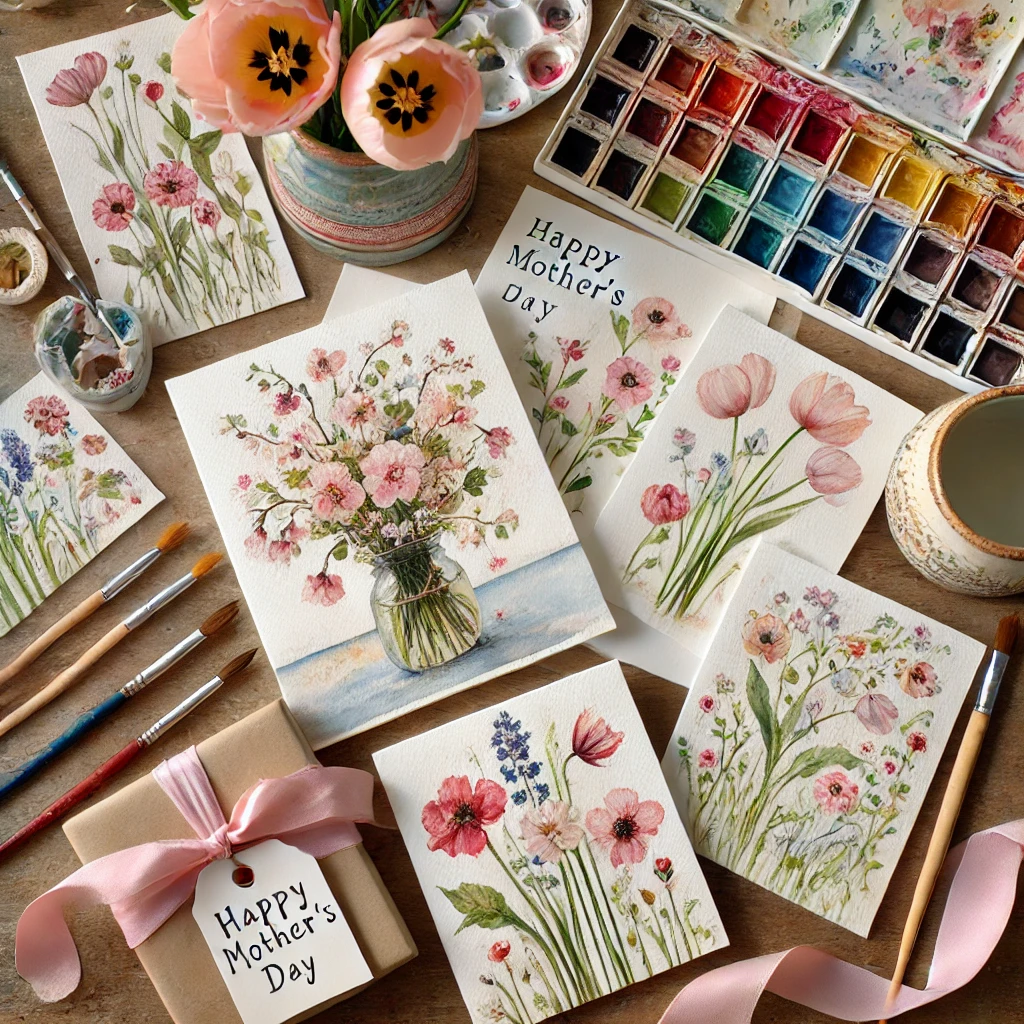
Save this tutorial to your DIY or watercolor board on Pinterest.
Why Make Your Own Notecards?
- They feel personal. A hand-painted design makes every card special.
- They let you explore. Try new floral styles and color combinations.
- They can be sustainable when painted on quality paper made to last.
- They become keepsakes, and some are lovely enough to frame.
What You Will Need
- Round watercolor brushes in sizes 2, 6, and 10.
- A watercolor set with spring shades: blush, peach, lavender, and sage.
- 140 lb (300gsm) cold-pressed watercolor paper, which resists warping.
- A pencil and eraser for light sketching.
- Masking tape for crisp borders.
- Two jars of water and paper towels.
My recommended supplies: a beginner watercolor set, quality watercolor brushes, and watercolor paper.
How to Paint Watercolor Floral Notecards
Step 1: Prepare the Card
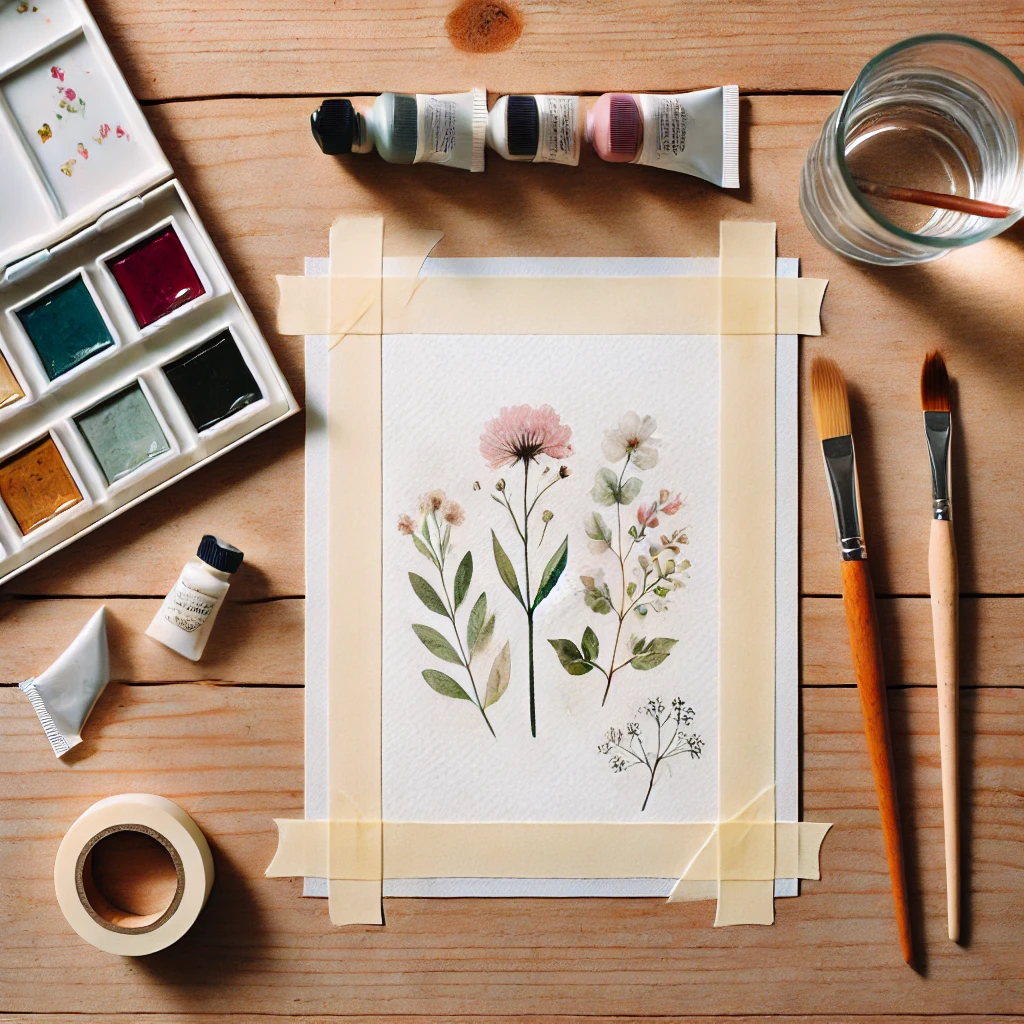
- Cut your paper to 5 by 7 or 4 by 6 inches.
- Fold it in half for a greeting card, or leave it flat as a postcard.
- Tape the edges to your table for a clean border.
Step 2: Sketch Lightly (Optional)
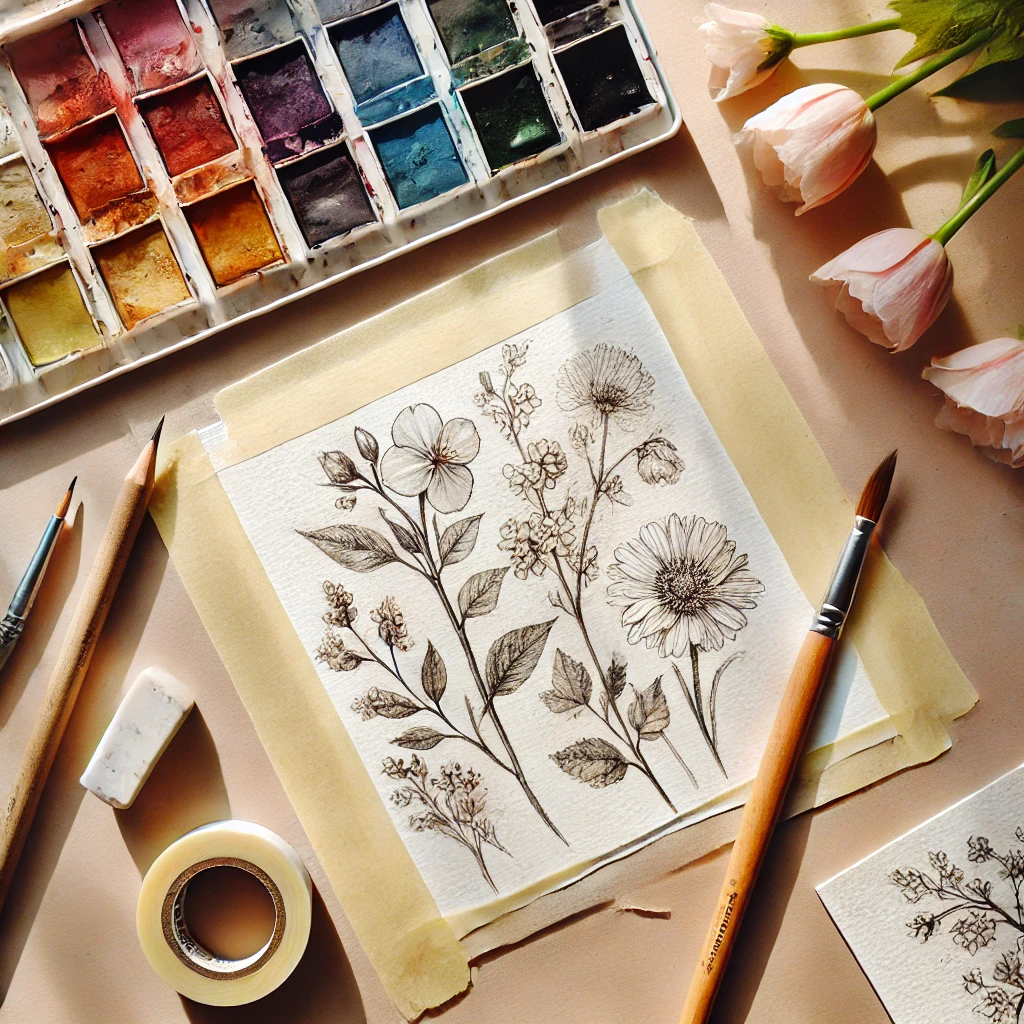
If you are just starting out, sketch simple floral shapes in pencil first. Peonies, cherry blossoms, tulips, daisies, and eucalyptus are all lovely and forgiving.
Step 3: Paint
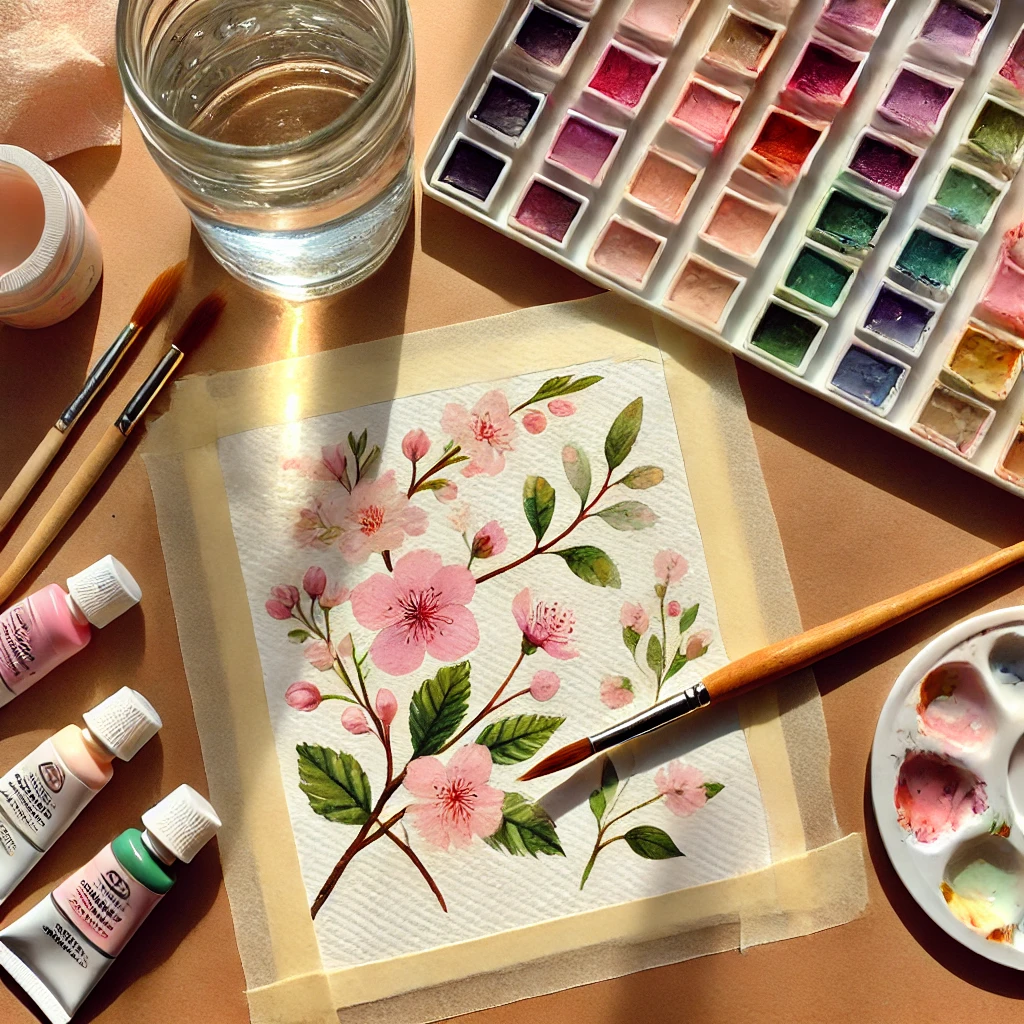
- Wet-on-wet: brush clean water onto the paper, then drop in color for soft blooms.
- Layering: start with pale washes, let them dry, then add deeper details.
- Loose strokes: press and lift a round brush to form natural petal shapes.
Easy flowers to try: cherry blossoms as soft pink dots with deeper centers, tulips in a few graceful strokes, and wildflowers in a mix of colors for a natural bouquet.
Step 4: Add Details and Let Dry
- Outline a few petals with a fine brush for a delicate, hand-drawn touch.
- Add highlights with a white gel pen.
- Once completely dry, peel off the tape for crisp edges.
Your handmade card is ready to give.
Ways to Use Your Notecards
Write heartfelt notes for Mother’s Day, Easter, bridal shower thank-yous, spring birthdays, or turn smaller pieces into gift tags. For a thoughtful present, tie a bundle of cards with ribbon and pair them with a pretty pen.

Top Watercolor Picks
- Watercolor paint set for beginners
- Professional watercolor brushes
- Luxury watercolor paper for notecards
Frequently Asked Questions
What is the best paper for watercolor notecards?
100% cotton paper such as Arches, Saunders Waterford, or Fabriano Artistico gives the most beautiful results. Cold-pressed paper has gentle texture; hot-pressed is smooth for fine detail.
Which paints are best for beginners?
Student-grade sets such as Winsor and Newton Cotman, Van Gogh, or Sakura Koi are excellent starting points. Daniel Smith and Schmincke offer richer professional pigments when you are ready.
How do I keep cards from warping?
Use 140 lb paper, tape the edges while painting, let each layer dry fully, and press finished cards under a heavy book.
Which brushes work best for florals?
Round brushes with fine tips in sizes 2, 6, and 10. Princeton Heritage and Silver Black Velvet are lovely, and Winsor and Newton Series 7 is a classic luxury choice.
Which techniques are easiest for florals?
Wet-on-wet for soft petals, layering for depth, loose brushwork for a modern look, and negative painting, which means painting around shapes, for contrast.
Can I sell handmade notecards?
Yes. Many artists sell on Etsy, Amazon Handmade, and their own websites. Use archival materials and consider seasonal or custom designs.
What pen should I write with?
A waterproof fine liner such as a Micron or Tombow Fudenosuke will not smudge. Make sure the paint is completely dry first.
How should I package cards?
Clear sleeves or kraft envelopes, tied with satin ribbon or twine, with a handwritten note for a personal touch.
Can I print copies of my designs?
Absolutely. Scan your painting at 300 DPI, adjust it in Photoshop or Canva, and print on heavy cardstock.
Have another question? Leave a comment below.
Leave a Reply