This post contains affiliate links. If you buy through them, I may earn a small commission at no extra cost to you.
Ever notice how some sketchbook pages look “aesthetic” even when the drawings are tiny and simple? That’s the layout doing the work.
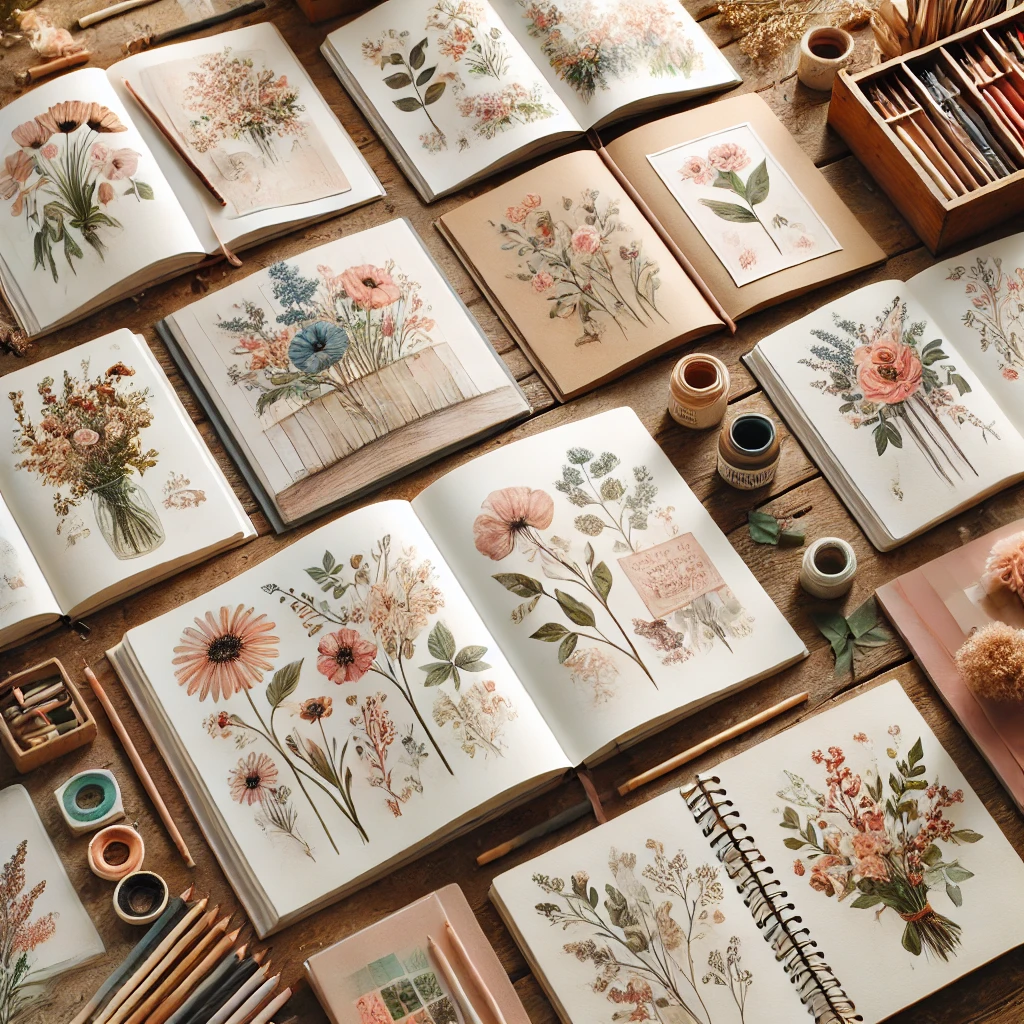
Here’s my take: a beautiful sketchbook page is about 70% layout and 30% drawing. Where you put things, how much space you leave, and whether there’s a repeating structure matter more than how good each little sketch is. So every idea below starts with a page structure you can copy, then fills it with a spring theme. And these layouts work any season. Swap cherry blossoms for pumpkins in October and the bones of the page stay the same.
If you only do one thing: draw a 2-inch thumbnail of your page before you start. Two minutes of planning saves a spread from feeling crowded or lopsided.
Six Page Structures Behind Every Layout
These six structures show up again and again in the layouts below. Learn them once and you can build endless pages.
The Layouts at a Glance
| Layout | Time | Main supplies | Skill |
|---|---|---|---|
| Color swatch mood board | 30 min | watercolor, fineliner | beginner |
| Daily doodle | 10 min a day | fineliner | beginner |
| Botanical spread | 60 min | watercolor, ink | intermediate |
| Figure and costume | 45 min | markers, fineliner | intermediate |
| Architecture spread | 60 min | fineliner, pencil | intermediate |
| Celestial spread | 40 min | glow paint, gel pens | beginner |
| Mixed media collage | 45 min | paper, paint, glue | beginner |
| Minimalist line art | 15 min | one fineliner | beginner |
| Watercolor wash page | 20 min | watercolor | beginner |
| Travel journal | 30 min | pocket paints, pen | beginner |
Plan Any Spread in 5 Minutes
Use this little routine for every layout below. It’s the difference between a page that “just happened” and one that looks intentional.
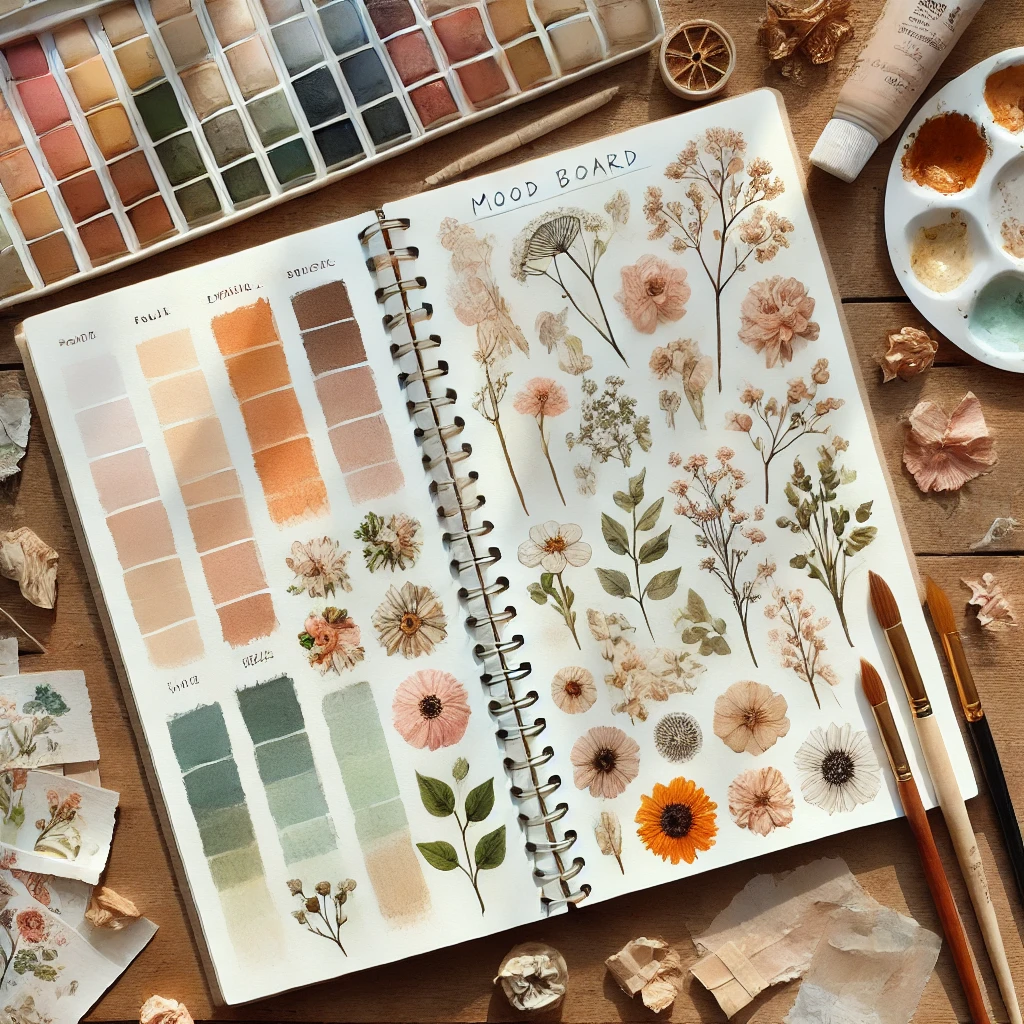
1. Color Swatch and Mood Board Page
Structure: 2×2 grid or a row of swatches across the top.
Paint a strip of spring colors (blush, butter yellow, mint, sky blue), then fill the rest of the page with tiny motifs in those colors: a tulip, a teacup, a ribbon. The swatches double as a reference for every spring page that follows.
- Make swatches about 1 x 1 inch with a little label under each.
- Thick cotton paper keeps the washes flat and clean.

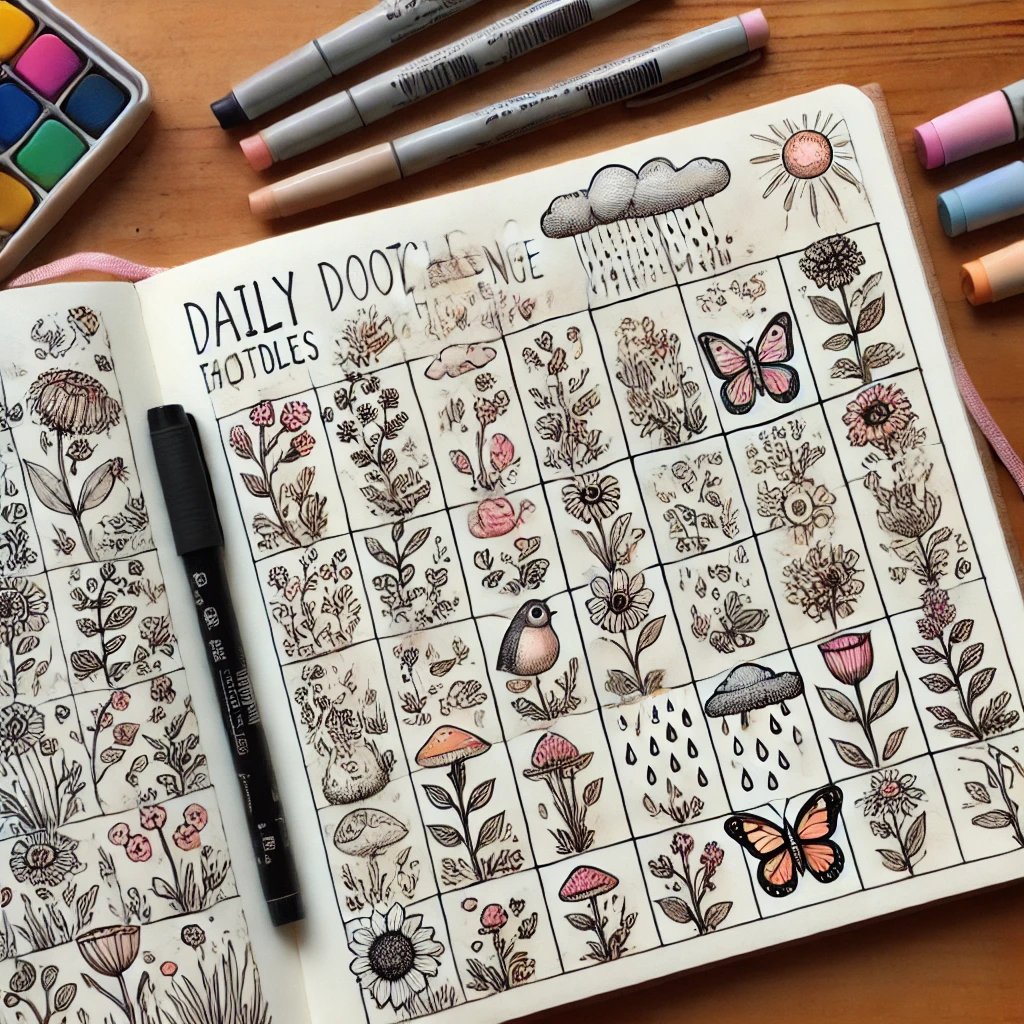
2. Daily Doodle Page
Structure: 7-box week. Rule seven boxes (two columns of three plus one wide box at the bottom works nicely on a single page).
Each day, fill one box with something you saw: a bird on the fence, your coffee cup, a dandelion. Ten minutes a day, and by Sunday you have a finished page you never had to “plan.”
- Rule the boxes with a fine pen so they look crisp.
- Date each box in tiny letters along the top edge.

Want a month of prompts to fill those boxes? Try my 30-day sketching challenge.
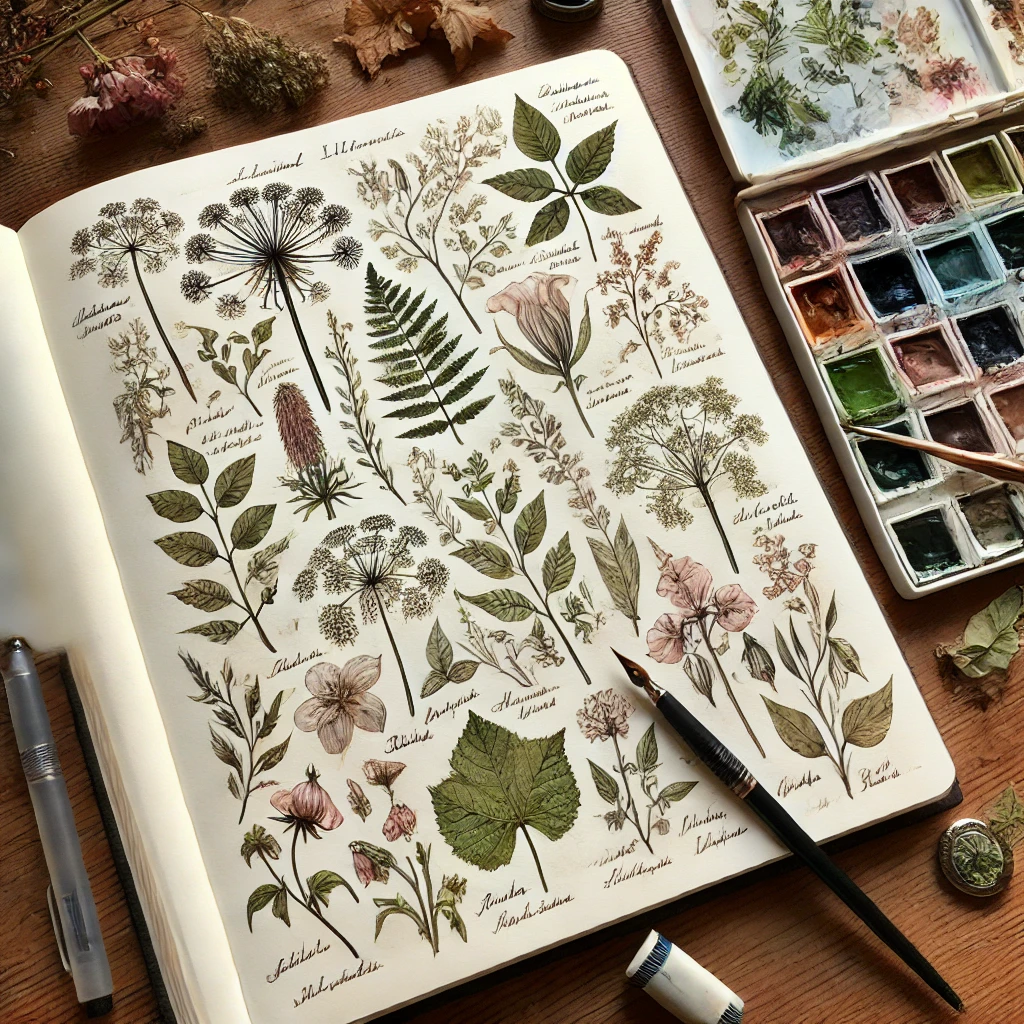
3. Botanical Spread
Structure: Z-pattern across a two-page spread.
Place your largest flower in the top left, a medium sprig in the middle, and a cluster of small leaves bottom right. The eye follows the Z naturally, which makes the spread feel balanced even with lots of white space.
- Add tiny handwritten plant names beside each specimen.
- A heavier mixed media page takes light washes without curling.

4. Figure and Costume Page
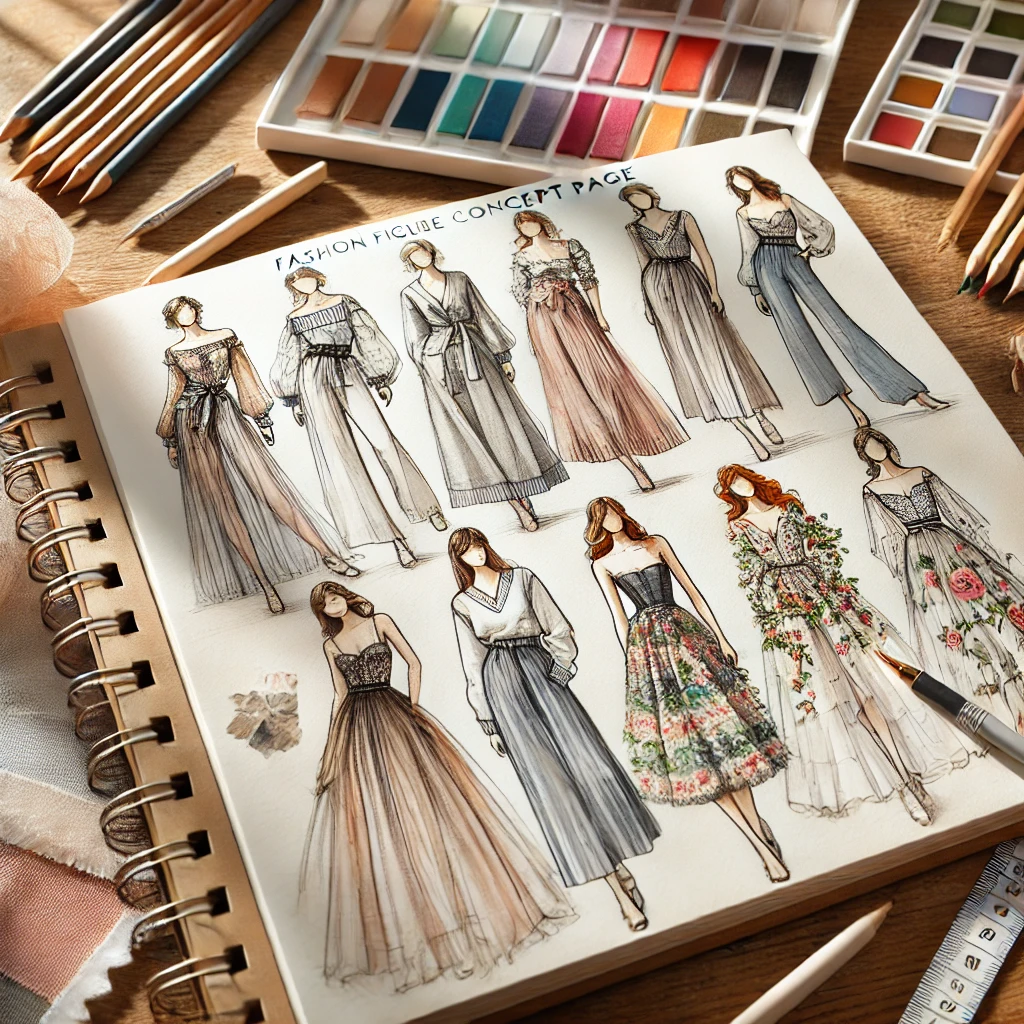
Structure: 3 tall columns, one figure per column.
Sketch three quick figures in spring outfits: a flowing dress, a cropped jacket, a wide-brim hat. Next to each, add a small fabric swatch box showing the pattern up close, like gingham, ditsy florals or eyelet lace.
- Keep figures about 9 heads tall for an illustrative look.
- Alcohol markers lay down smooth, flat color on clothing.
5. Architecture Spread
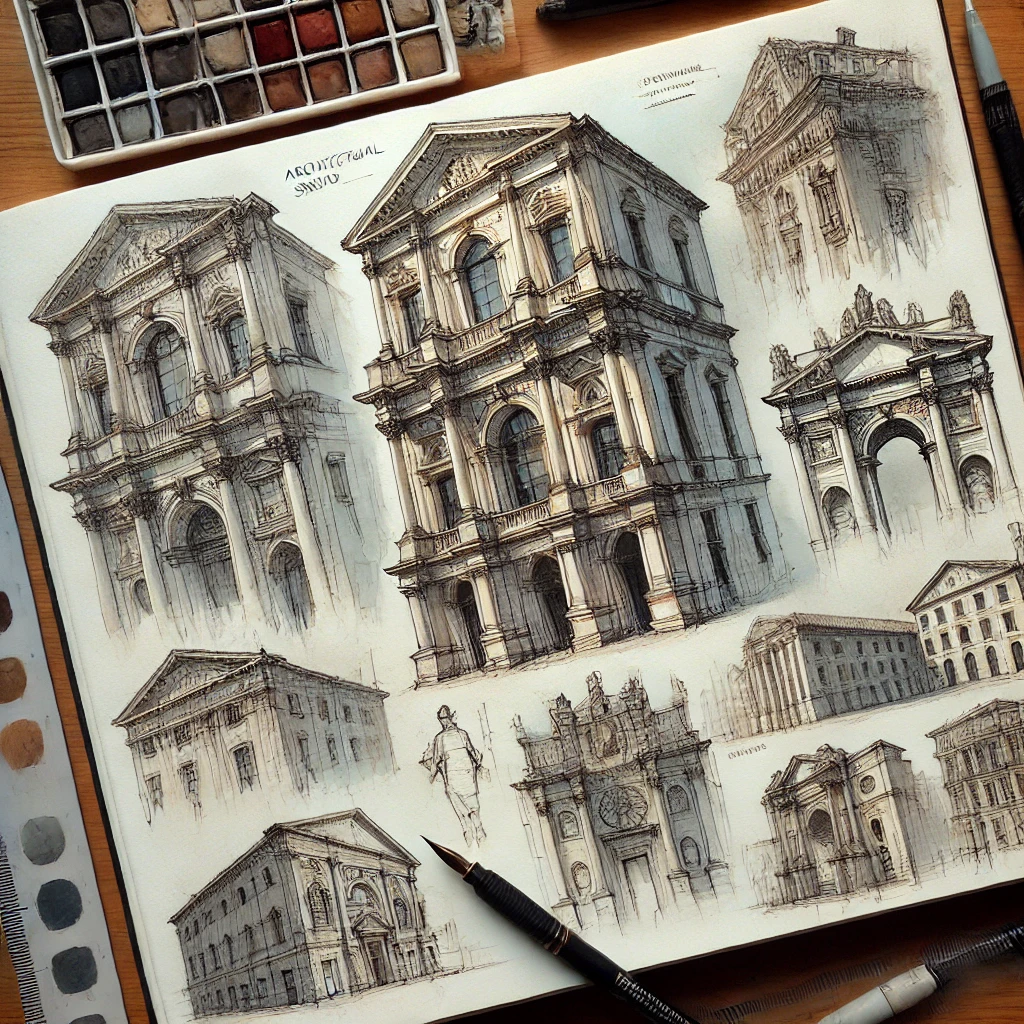
Structure: Full bleed, with the building running across both pages.
Draw a café front, a cottage row or a greenhouse, and let it run right off the edges. Cropping a building makes it feel bigger and more cinematic than fitting the whole thing in.
- Pencil a horizon line and one vanishing point first.
- Ink only the edges closest to you, and leave far details lighter.

6. Celestial Spread
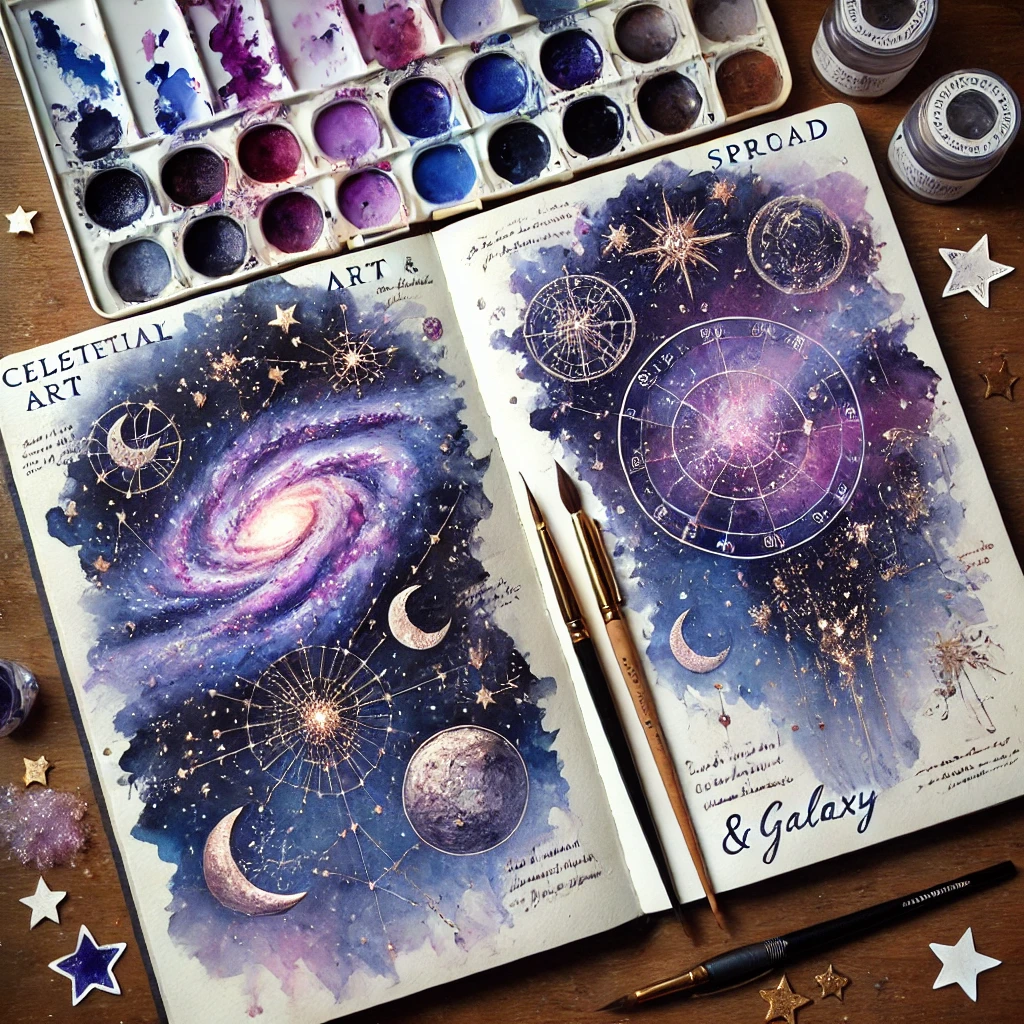
Structure: Border frame. Draw a circle or arch frame and keep the night sky inside it.
Moon phases across the top, constellations scattered below, and a few stars painted with glow paint so the page surprises you when the lights go off. It’s a little goofy and I love it.
- Paint the sky dark first and let it dry completely.
- Add glow paint in small dots, since thick blobs crack.

7. Mixed Media Collage
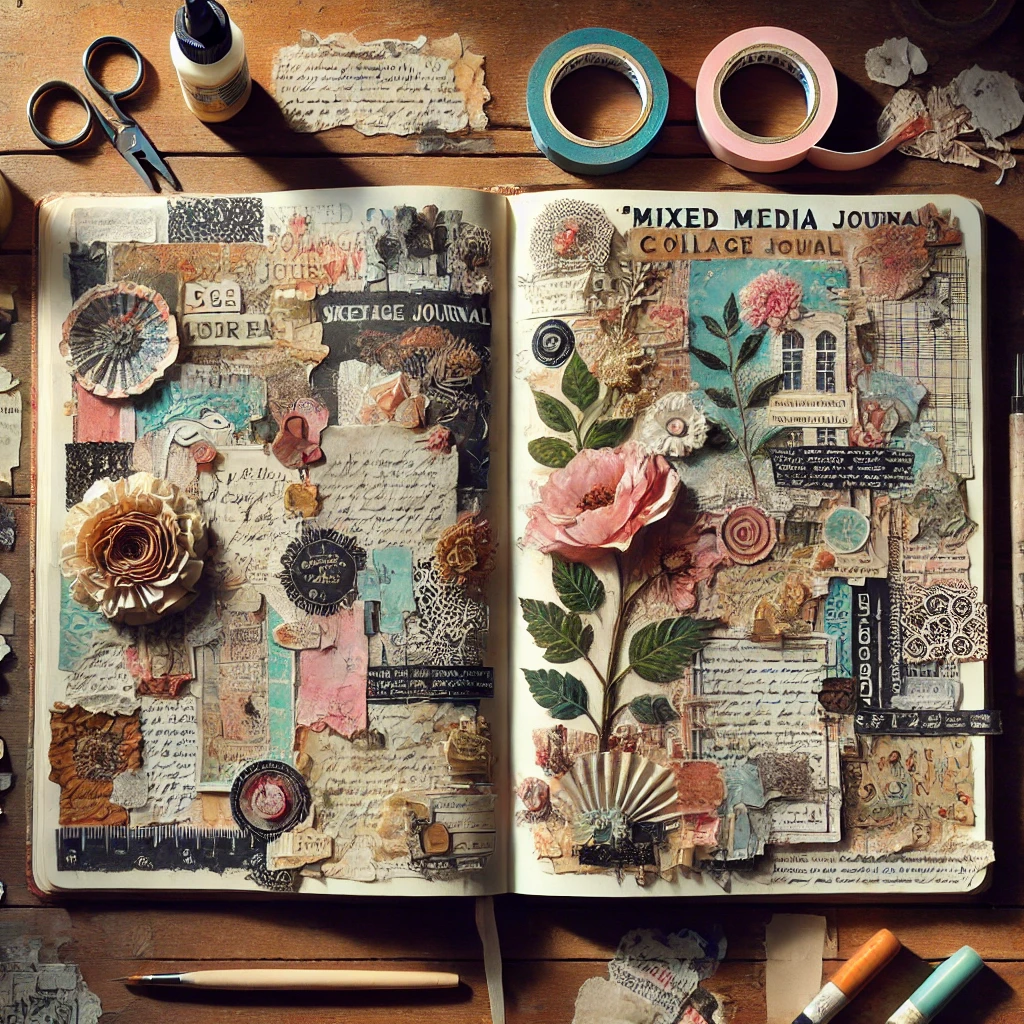
Structure: Collage, with three layers: background paper, middle images, top doodles.
Tear strips of deckle-edged paper, glue down a pressed flower or an old ticket, then draw over the top with ink. Torn edges look softer and more handmade than cut ones.
- Glue the biggest piece first and the smallest last.
- Let glue dry flat under a heavy book for an hour.

8. Minimalist Line Art Page
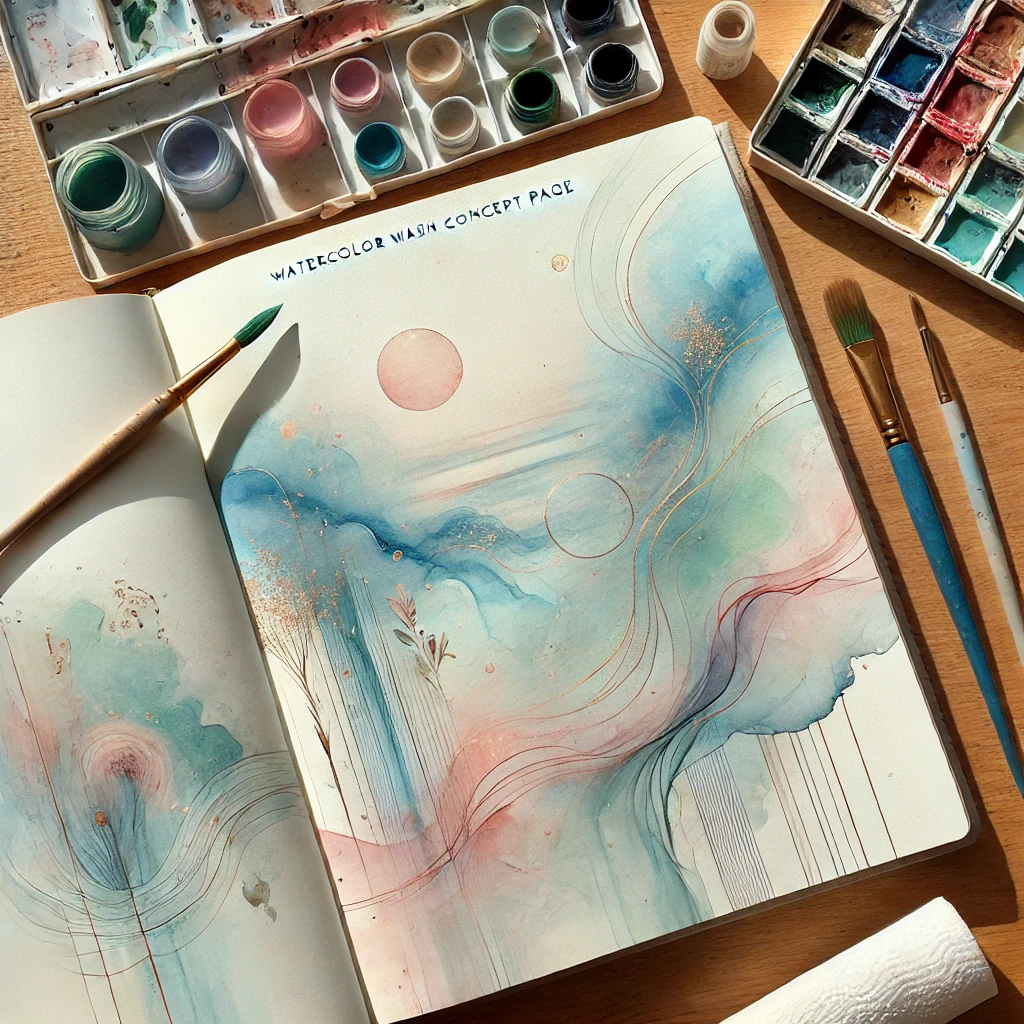
Structure: One centered drawing with lots of empty space.
Choose one subject, maybe a single tulip or a teacup, and draw it with a continuous line, lifting your pen as little as possible. Then stop. Restraint is the whole look.
- Leave at least half the page blank.
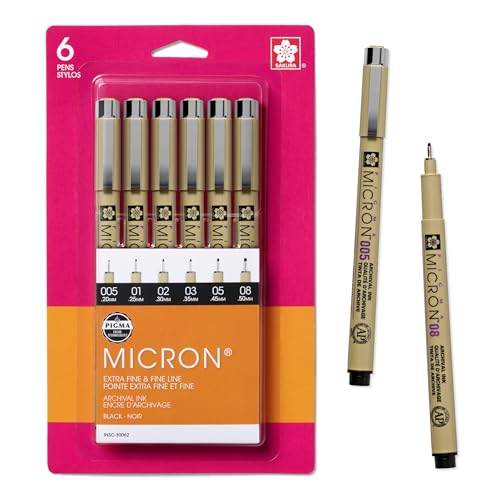
- Use one pen size only, like 03 or 05.
9. Watercolor Wash Page
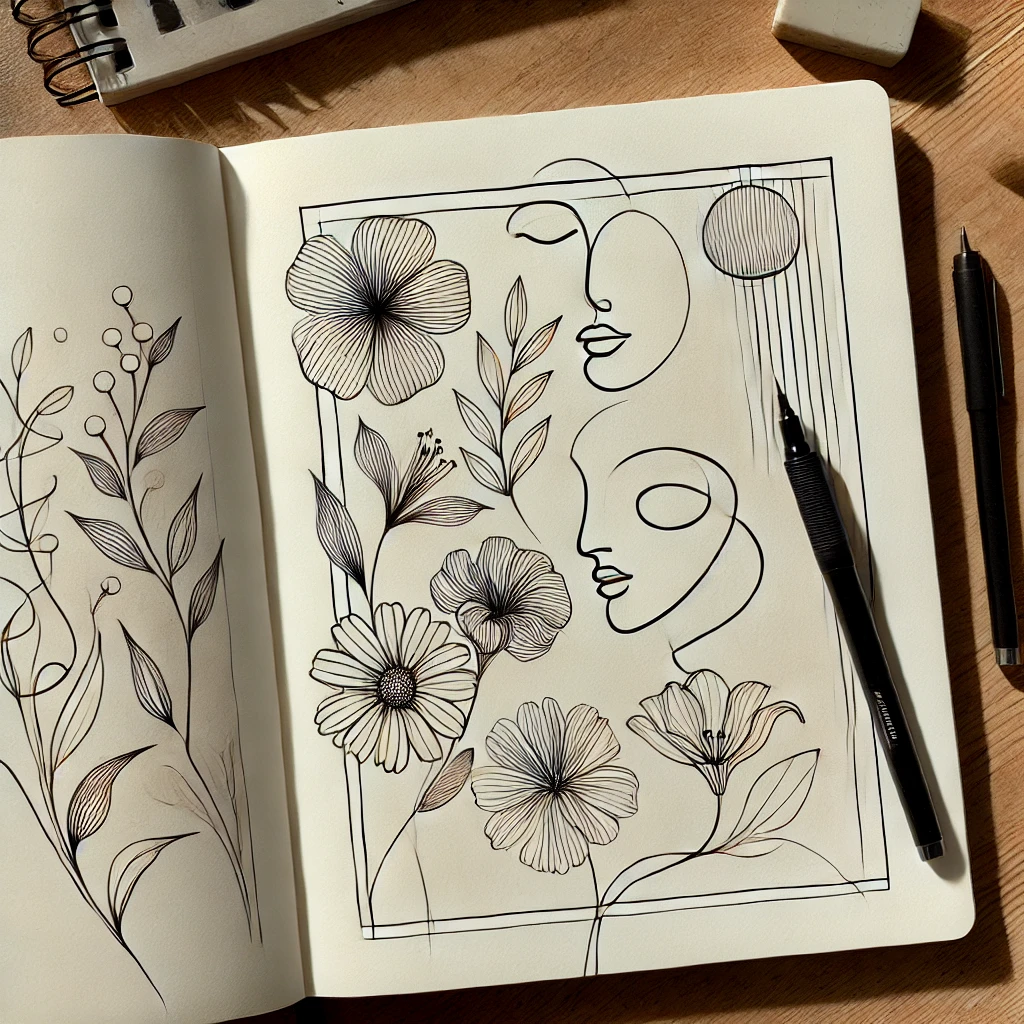
Structure: Full bleed background with a small focal point.
Wet the whole page, float in two or three soft spring colors, and let them mingle. Once dry, add one tiny drawing on top in ink: a bird, a branch, a little house.
- Tilt the book gently to move the wash where you want it.
- Use real pans for brighter, smoother gradients.

10. Travel Journal Page
Structure: 2×2 grid, with a sketch, a map scrap, a list and a color note.
Even a trip to the farmers market counts. Sketch one view, glue in a receipt or ticket, jot down three things you noticed, and paint a swatch of the day’s sky.
- A square sketchbook makes the grid easy to divide.
- Keep a pocket paint set and one pen in your bag.

Picking the right book for these layouts matters. My sketchbook showdown compares the popular options, and texture matters explains which paper surface suits which layout.
Do This, Not That
| Do this | Not that |
|---|---|
| Thumbnail first | Start drawing in the center |
| Leave 1/2 inch margins | Fill every corner |
| Repeat 3-4 colors | Use the whole set at once |
| One focal area | Equal detail everywhere |
| Small handwritten labels | Big bold titles on every page |
Extra Supplies That Make Layouts Easier

You don’t need these, but they help certain layouts shine.
- Premium markers for bold color blocks on mood board pages.
- Metallic gel pens for celestial stars and lettering.
- A smooth sketchbook for crisp line art and architecture.
- A textured journal for collage and travel pages.
- A portable art kit so travel pages actually happen away from home.
Investment Pieces Worth It
Student supplies work beautifully for every layout here. If sketchbook spreads become a weekly habit, these are the upgrades I’d consider. Prices are approximate at the time of writing.
Winsor and Newton Professional Complete Travel Tin (around $143). Artist-grade pigments in a compact tin with a built-in water bottle and brush, ideal for wash pages and travel journals. Used twice a week for two years, that’s about $0.70 a session. Worth it for: anyone who paints outside the house. Skip it if: you rarely paint, or a pocket box already covers you.
Faber-Castell Polychromos 120 tin (around $295). A huge color range that layers smoothly, so color swatch pages and botanical spreads never run short of the exact shade. Worth it for: colored pencil lovers who draw several times a week. Skip it if: you mostly use ink or paint.
Artograph LightPad 950 LX (around $280). A large, bright light box for tracing your thumbnail layout onto good paper without erasing pencil lines from a finished page. Worth it for: planners who sketch roughs first. Skip it if: you prefer drawing straight into the book. The Lightmaster 17×24 (around $130) is a solid budget option.
The Takeaway
A pretty sketchbook page starts with a structure: a grid, a week of boxes, a Z, a frame. Pick one layout, plan it in five minutes, and let the empty space do some of the work for you. These spreads look just as good in fall as they do this spring.
Which layout are you trying first? Tell me in the comments, or save this pin for the next time a blank page stares back at you.
Keep Going
- Dreamy sketchbook ideas for ten magical themes to fill these layouts
- Dreamy spring sketchbook ideas for more spring prompts
- Cottagecore sketchbook magic for a cozy prompt every month of the year
- Sketchbook showdown to choose the right book
- 30-day sketching challenge to build a daily habit