Protect Your Surfaces, Prevent Warping, and Keep Your Studio Beautifully Organized
Canvas, paper, and sketchbooks are the foundation of your artwork — but they’re also some of the most fragile materials in your studio. They can warp, bend, crease, curl, or get damaged if they aren’t stored properly. And if you’re working in a small studio, you’ve probably already experienced the struggle of canvases leaning in corners or stacks of sketchbooks taking over your desk.
The good news? With the right storage systems, you can keep every surface protected, accessible, and beautifully organized…and it doesn’t require a large space.
This guide breaks down exactly how to store canvases, loose papers, paper pads, and sketchbooks — whether you’re working in a roomy studio or a small creative corner.
SECTION 1 — The Most Important Rules for Storing Canvas & Paper
Before we get into the methods, here are the core storage rules every artist should follow:
✔ Keep everything upright or perfectly flat
Stacking unevenly leads to warping, bending, and creasing.
✔ Avoid direct sunlight
UV exposure can fade paper edges and discolor canvas fabric.
✔ Store in a cool, dry place
Humidity is the #1 reason for buckling in sketchbooks and paper pads.
✔ Never lean canvases on corners
This causes denting and stress on the stretcher bars.
✔ Use breathable materials
Plastic traps humidity — fabric or open storage is better long-term.
With these rules in mind, let’s build your canvas & paper storage system.
SECTION 2 — How to Store Canvases (Boards, Panels & Stretched Canvas)
Storing canvases properly helps prevent warping, dents, and surface damage.
Here are the best ways to keep them protected:
1. Vertical Canvas Racks (Best for Medium to Large Studios)
Vertical racks are the most professional way to store canvases.
Use them for:
- Stretched canvas
- Canvas panels
- Finished and unfinished paintings
- Frames
Why they’re great:
- Air flows around the canvas
- Nothing touches the painted surface
- Easy to flip through
- Ideal for high-volume painters
Look for:
- Metal racks
- Wheeled racks
- Adjustable dividers
Art Drying Rack Wood Storage Stand for Canvas Storage, Drawing Board Storage Rack, Printed Matter, Paper Pad for Art Studio, Gallery, Artworks

Art Drying Painting Rack with Wheels, Adjustable Art Storage Easel Display Stands for Canvas Boards, Panel, Crafts Drying & Print Racks, Frame

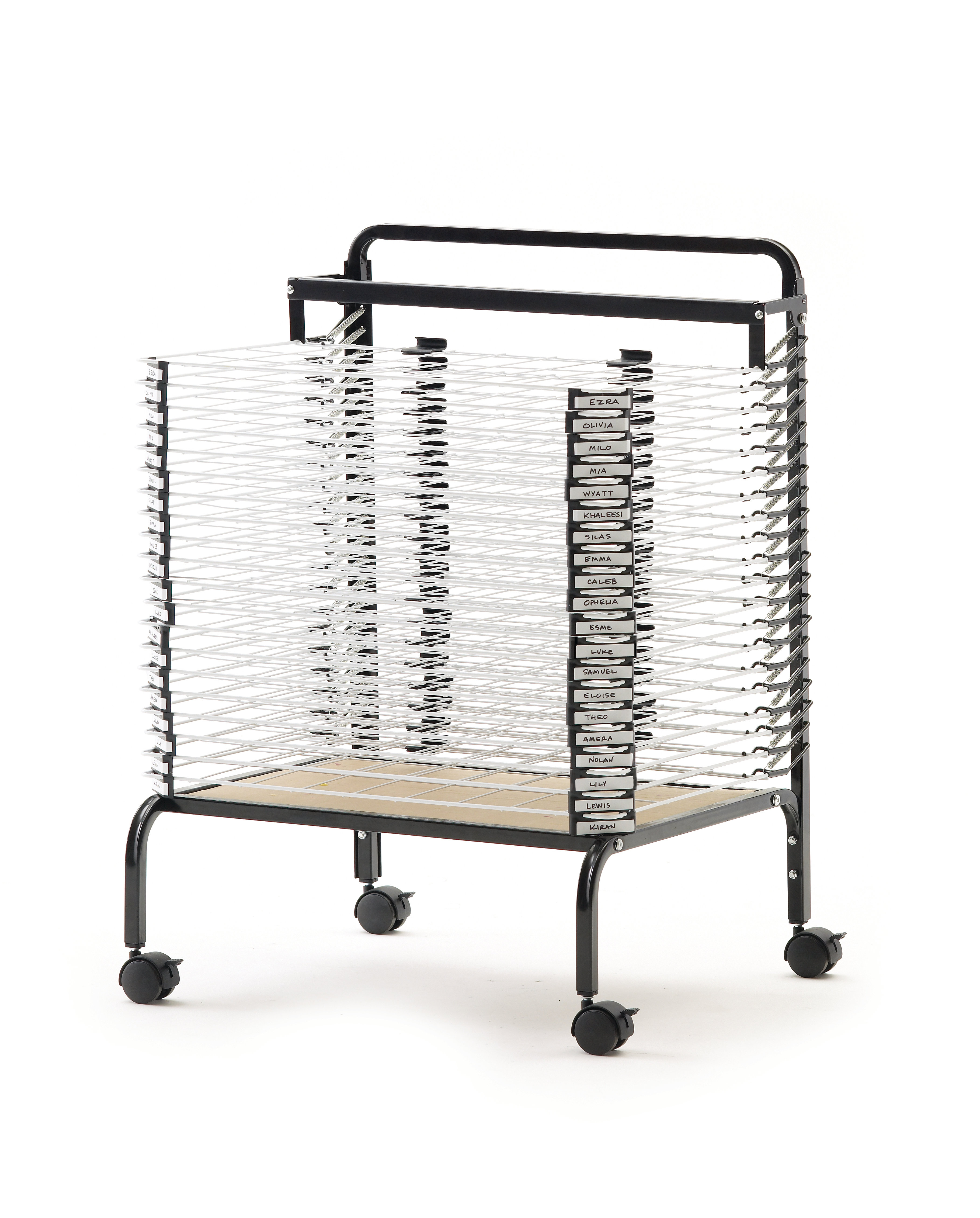
Art Canvas Storage, Art Drying Rack, Canvas Boards Rack Art Storage with Handle & Caster Wheels for Drawing Board, Panel, Paper Pad for Art Studios, Artworks, Gallery

2. Standing Dividers or Shelf Dividers
If you don’t have room for a full rack, dividers convert any shelf into a canvas storage area.
Store canvases by:
- Size
- Medium
- Project type
Perfect for:
- Small and medium-sized canvases
- Studio shelves
- Desktop shelves
Choose:
- Metal bookends
- Adjustable shelf dividers
- Acrylic dividers

File Organizer for Office Desk, Book Organizer,-One-Piece-3 Vertical spaces,1 pack (B5)

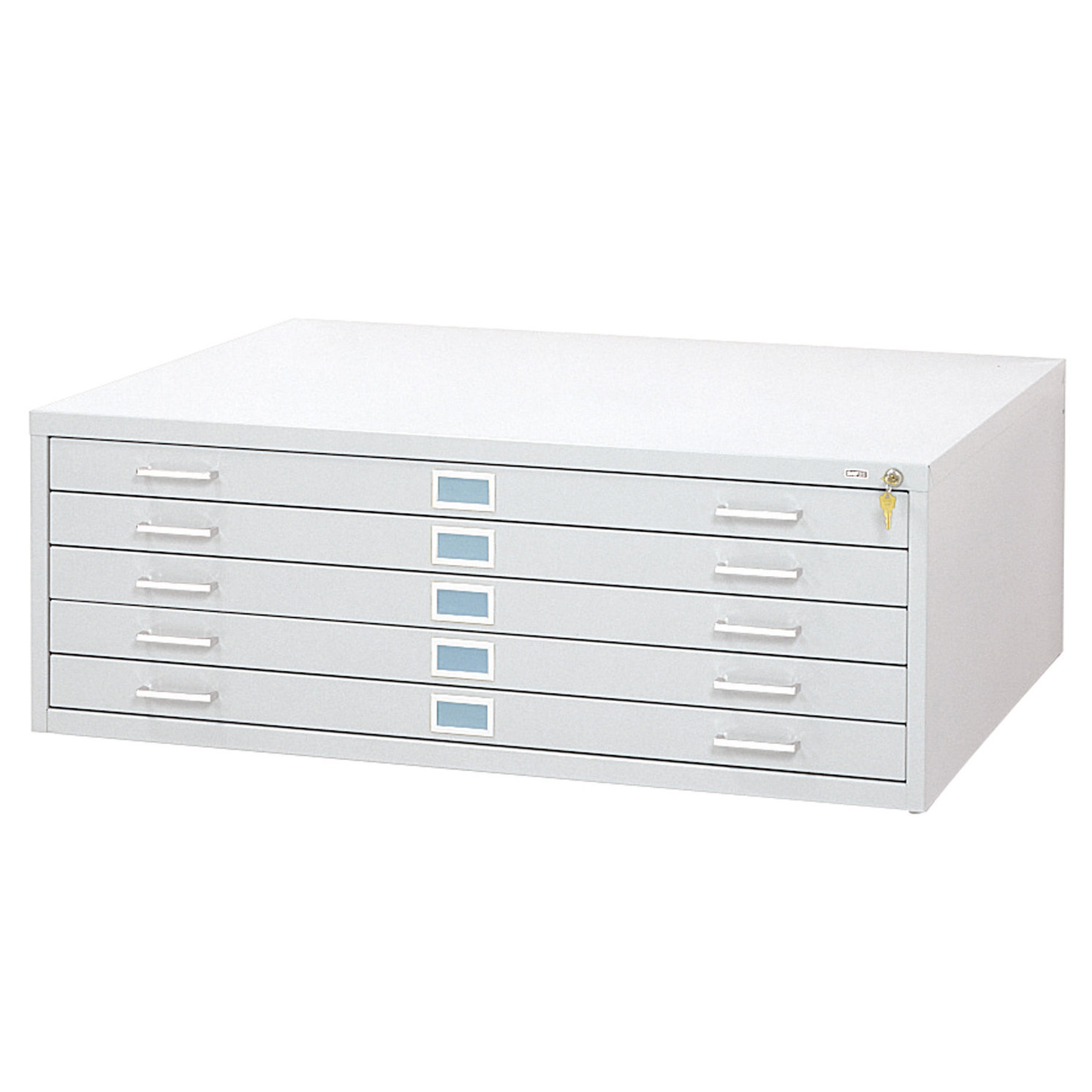
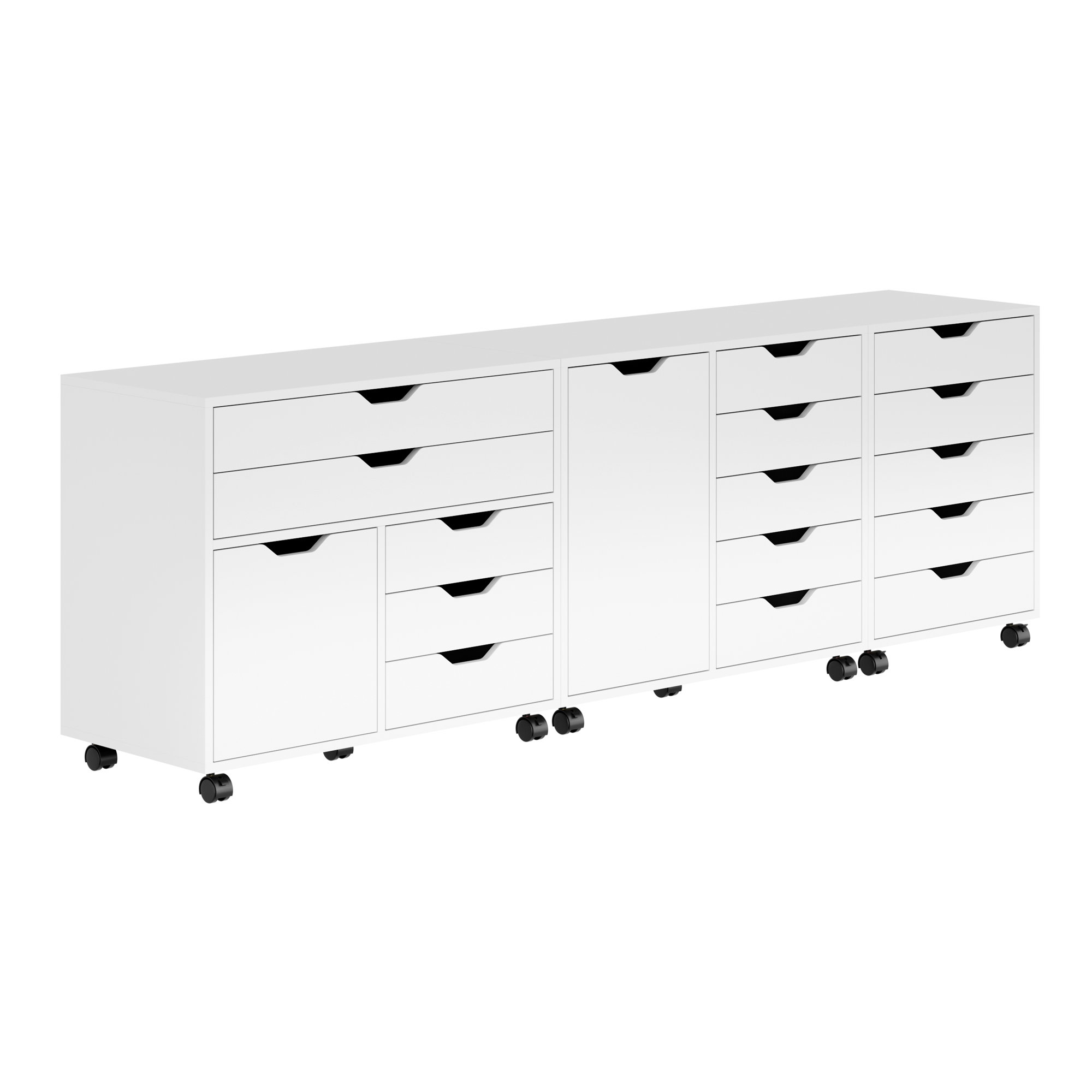
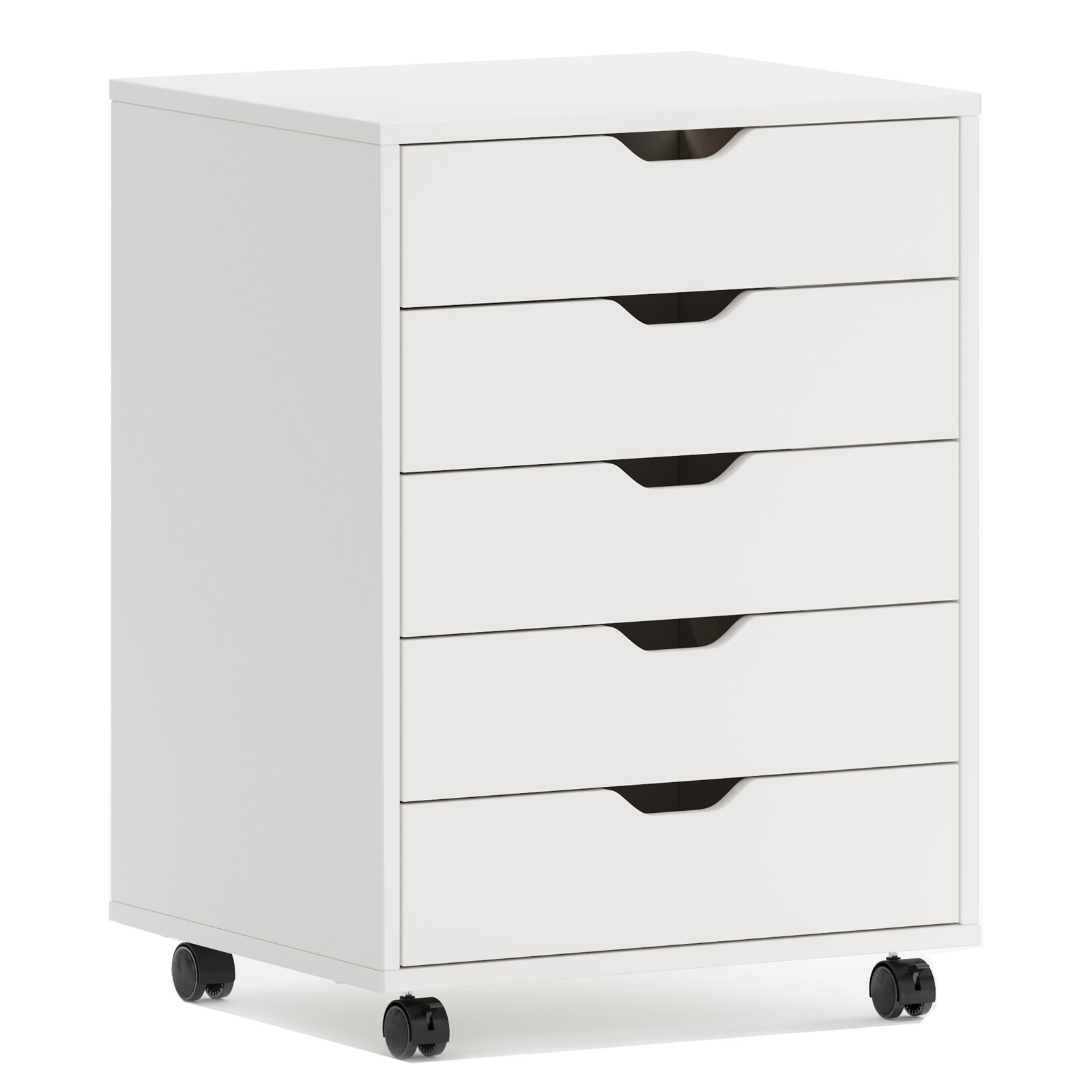
3. Flat Storage Drawers (Ideal for Canvas Panels & Boards)
Flat file drawers protect delicate surfaces and keep everything clean.
Great for storing:
- Canvas boards
- Watercolor blocks
- Thin panels
- Mixed media boards
- Finished flat artwork
These drawers:
- Prevent bending
- Hide clutter
- Keep pieces dust-free
- Are perfect for small studios with limited wall space
Paper Organizer Mail Sorter, File Holder Letter Document Storage with Adjustable Shelves for School Home Office, Natural

4. Wall-Mounted Canvas Shelves
If space is tight, wall-mounted horizontal shelving is a lifesaver.
Use them for:
- Thin canvases
- Panels
- Small and medium paintings
- Drying pieces
Look for:
- Wood shelves
- Metal floating shelves
- Deep ledge shelves
Tip: Store canvases upright with slight spacing so they don’t rub.
17" Record Holder Magazine Rack, Fashion Hanging Bookshelf Literature Storage Rack for Waiting Room, Living Room, Office, Clear 17 Inch

5. Portable Canvas Storage Bags
Great for artists who attend workshops or classes.
Use them for:
- Transporting canvases
- Protecting finished works
- Storing seasonal or older pieces
Choose bags with:
- Reinforced edges
- Adjustable straps
- Water-resistant canvas or linen
SECTION 3 — How to Store Paper Pads & Loose Paper
Paper is the most sensitive material in your studio.
It reacts instantly to humidity, temperature changes, and pressure.
These storage methods keep your paper smooth, flat, and protected.
1. Flat File Drawers (Best Overall)
Flat files are the gold standard for paper storage.
Use them for:
- Watercolor sheets
- Mixed media paper
- Drawing paper
- Charcoal paper
- Printmaking papers
- Specialty sheets
Why they work:
- Prevent creasing
- Prevent curling
- Organize by project
- Keep everything dust-free
2. Vertical Paper Holders & Magazine Files
Perfect for:
- Paper pads
- Smaller sheets
- Loose sketch paper
- Mixed media pads
Choose:
- Metal magazine holders
- Acrylic stands
- Wooden file organizers
These keep paper pads upright and easy to grab.
7 Slots Mail Paper Organizer Desk Sorter Holder for File Document Organizer Stand for Home Office Natural (7KWJJ-NA)

3. Shelf Dividers for Large Pads & Blocks
If you have oversized paper pads, use sturdy shelf dividers.
Why they’re helpful:
- Prevent bending
- Keep pads separated
- Make large pads easy to reach
4. Archival Storage Boxes
Great for storing:
- Finished pieces
- Loose watercolor sheets
- Important projects
- Old artwork
Choose:
- Acid-free archival boxes
- Flat, stackable boxes
- Lidded options for dust protection
These keep your artwork safe long-term.
SECTION 4 — How to Store Sketchbooks (All Sizes & Types)
Sketchbooks are easier to store than loose paper — but they can still get damaged if stacked incorrectly.
Here’s the best way to store them:
1. Upright Shelf Storage (Best Overall Method)
Store sketchbooks vertically like books.
Why this works:
- Prevents warping
- Keeps covers from bending
- Makes sketchbooks easy to browse
- Looks beautiful on shelves
Separate them by:
- Size
- Medium
- Project
2. Aesthetic Bins for Sketchbook Overflow
If you have a lot of sketchbooks, bins keep them orderly.
Choose:
- Rattan
- Linen
- Light wood
- Neutral-toned bins
This keeps your studio visually calm.
Rattan Vinyl Record Holder with Handle, Wood Record Crate for Vinyls Holder up to 75 LP's, Desktop Cube Album Storage for Vinyls Records(Tea Brown)

Baskets for Organizing, Storage Basket with Built-in Handles, Water Hyacinth Shelves (Medium 2-Pack, Natural Hyacinth)

Linen Closet Organizers and Storage Basket, Foldable Storage Bins, Closet Organizer Bins for Clothes, Brown & Beige, 3-Pack, Large

3. Shallow Drawers for Flat Storage
Perfect for delicate sketchbooks or those with mixed media pages.
Use:
- Shallow wooden drawers
- Acrylic drawers
- Art flat files
Helps prevent:
- Pressure on covers
- Bent corners
- Warping
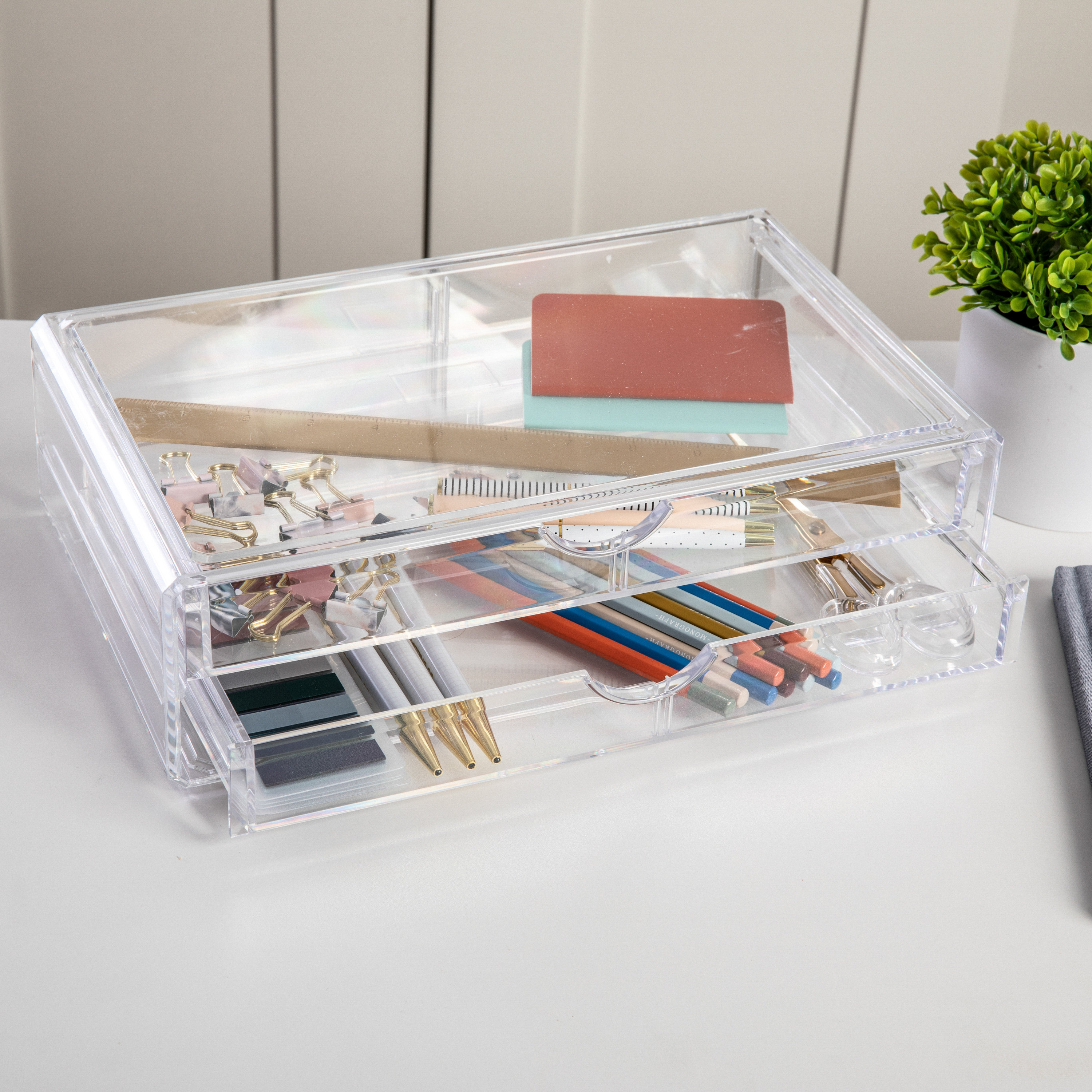
White Desktop Drawer Set with 10 Color Coded Draws - Letter Size Files - Perfect for Storing Documents and Paper Work

4. Portable Sketchbook Caddies
Great for active sketchers.
Use them for:
- Daily sketchbooks
- Travel sketchbooks
- On-the-go setups
Look for:
- Fabric caddies
- Wooden handles
- Divided interiors
SECTION 5 — Small Space Storage Hacks
If you’re working in a small studio or creative corner, these tricks give you maximum function with minimal space.
1. Use Wall-Mounted Magazine Holders for Paper Pads
These turn your wall into vertical paper storage — perfect for tiny studios.
2. Store Canvases Behind Doors or Furniture
Slide canvases behind:
- Dressers
- Shelving units
- Bedroom doors
Add a few dividers to keep them upright.
3. Choose Multi-Purpose Solutions
Furniture that works double duty saves space.
Look for:
- Shelving units with cabinet doors
- Desks with built-in shelves
- Rolling carts as paint stations
4. Stack Sketchbooks by Size (If Horizontal)
If you need to store sketchbooks flat, stack them by size to prevent pressure on smaller books.
Add dividers to keep stacks neat.
SECTION 6 — Aesthetic Ideas for Pretty & Functional Storage
Your studio should feel inspiring. These small touches make your canvas and paper storage visually beautiful.
1. Match Your Storage Materials
Choose one style:
- Acrylic
- Light wood
- Linen
- White or neutral tones
Matching aesthetics = instant cohesiveness.
2. Label Everything
Use:
- Minimalist labels
- Neutral stickers
- Small wooden tags
Labels help your studio stay organized long-term.
3. Add Texture to Paper Shelves
Try:
- Woven baskets
- Soft liners
- Wooden trays
They add warmth to an otherwise flat storage area.
SECTION 7 — Maintenance: Keep Your Surfaces Protected Long-Term
Your storage system will stay beautiful and functional with these simple habits:
✔ Weekly
- Check for bent pages
- Re-sort loose paper
- Wipe dust from shelves
✔ Monthly
- Review unfinished canvases
- Declutter old scrap paper
- Refresh your sketchbook storage
✔ Seasonally
- Deep clean shelves
- Update storage as needed
- Donate unused canvases
CONCLUSION
Canvas, paper, and sketchbooks are the heart of your artwork. Storing them properly protects your surfaces, keeps your studio clutter-free, and helps your creative process feel smoother and more inspiring.
Whether you’re working in a small corner or a full-sized studio, the right storage system will keep your materials safe, organized, and beautifully displayed.
[…] → How to Organize Your Brushes, Pens & Tools → How to Store Canvas, Paper & Sketchbooks […]