This post contains affiliate links. If you buy through them, I may earn a small commission at no extra cost to you.
A figure standing still in a blank space is just a figure. Put a scarf in the wind or snow on the shoulders and suddenly she’s telling a story.

My take: the season lives in the gesture, not the costume. A wool coat helps, but it’s the hunched shoulders and tucked chin that make a viewer feel the cold. Draw the body’s response to the weather first and the clothing almost draws itself.
So for each season below you’ll get the mood, the light, a few props and three poses with a clear line of action. Then a gesture-first method and a practice ladder to put it all to work.
If you only do one thing: before any detail, draw a single curved line through the whole figure that shows how the season makes the body move. Leaning into wind, stretching toward sun, curling against cold.
The four seasons at a glance
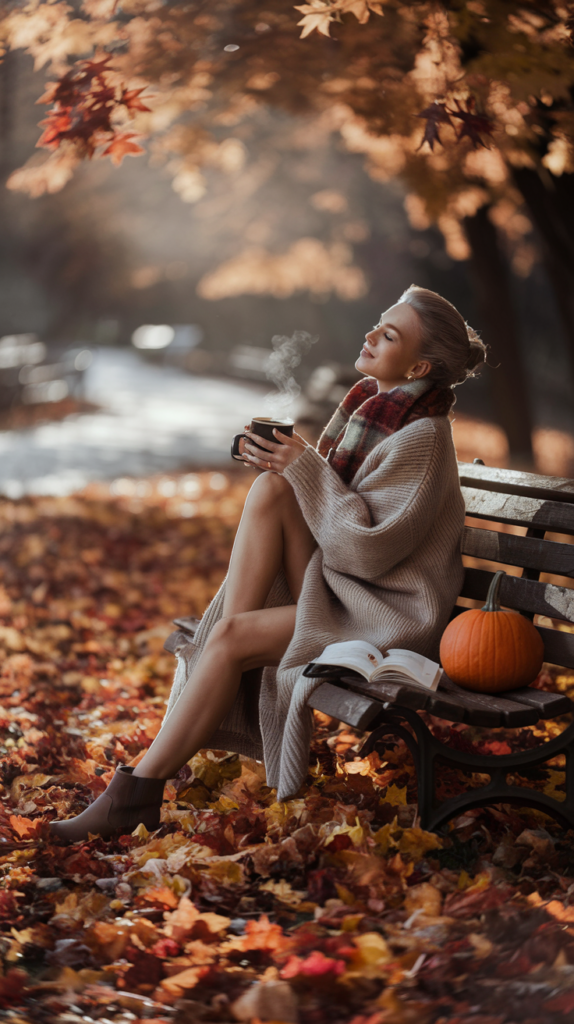
Each season has its own body language and its own light. Keep this grid in mind when you pick a pose.
Spring: lightness and new beginnings
Spring poses rise. Weight shifts onto the toes, arms open, heads tilt up. The mood is curious and hopeful.
Light: soft, cool and diffused, like an overcast morning. Shadows are gentle, so keep your values in the light-to-middle range and save the darks for small accents.
Props: a basket of tulips, an umbrella, a watering can, a light cardigan.
Three poses to try:
- Reaching for a blossom. One arm stretched high, weight on the opposite foot, the torso making a long C-curve.
- Twirling with an umbrella. Mid-turn, skirt flaring, the umbrella tilted to balance the swing.
- Kneeling in the garden. One knee down, leaning forward over a flower bed, hands busy with soil.
Prefer to work from photos? My spring pose inspiration for photographers makes a handy photo reference library for these spring gestures.
Summer: energy and openness
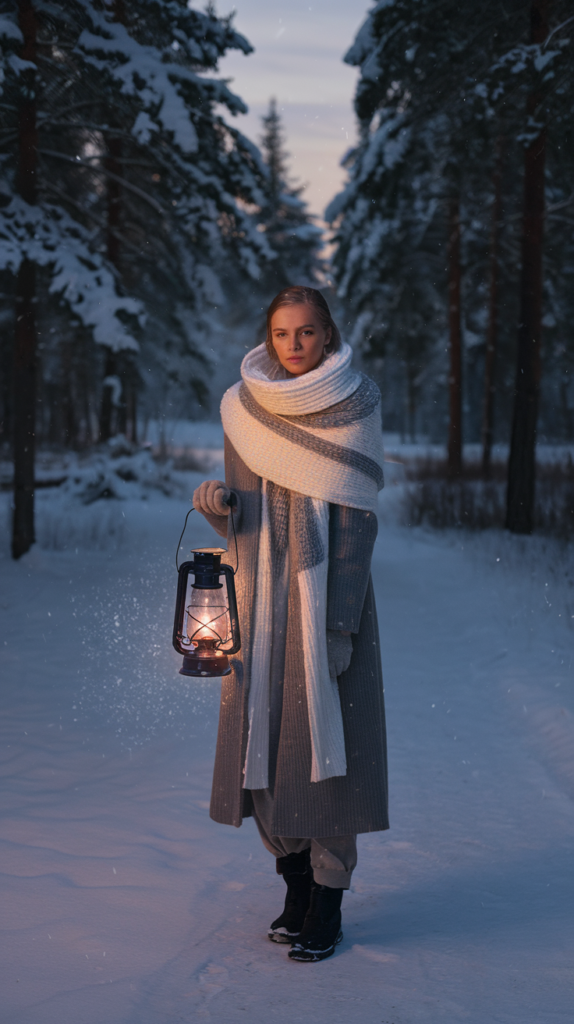
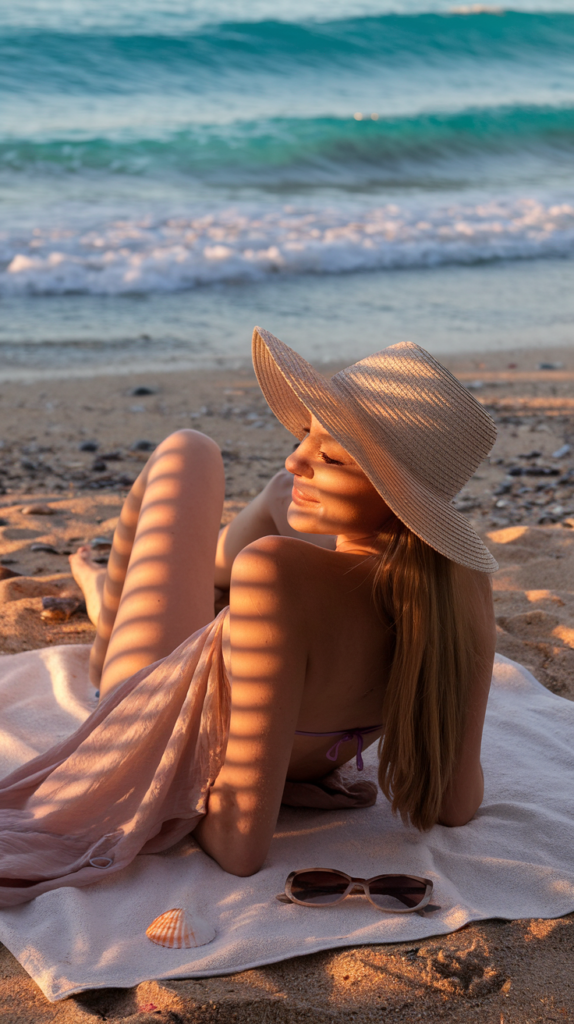
Summer bodies spread out. Arms away from the torso, legs apart, faces up toward the sun. Everything is relaxed or in motion, rarely in between.
Light: strong and overhead. Look for crisp cast shadows under the chin, nose and brim of a hat. Midday sun gives you the darkest darks of the year, so push the contrast.
Props: a wide-brim sun hat, sunglasses, a beach towel, an ice cream cone, a bicycle.
Three poses to try:
- Hat in the breeze. One hand holding the brim, elbow high, hip pushed out to the side.
- Stretched on a towel. Lying back on both elbows, legs crossed at the ankle, head tipped back.
- Running through the sprinkler. Mid-stride, both feet barely touching, arms flung out for balance.
Fall: warmth and reflection
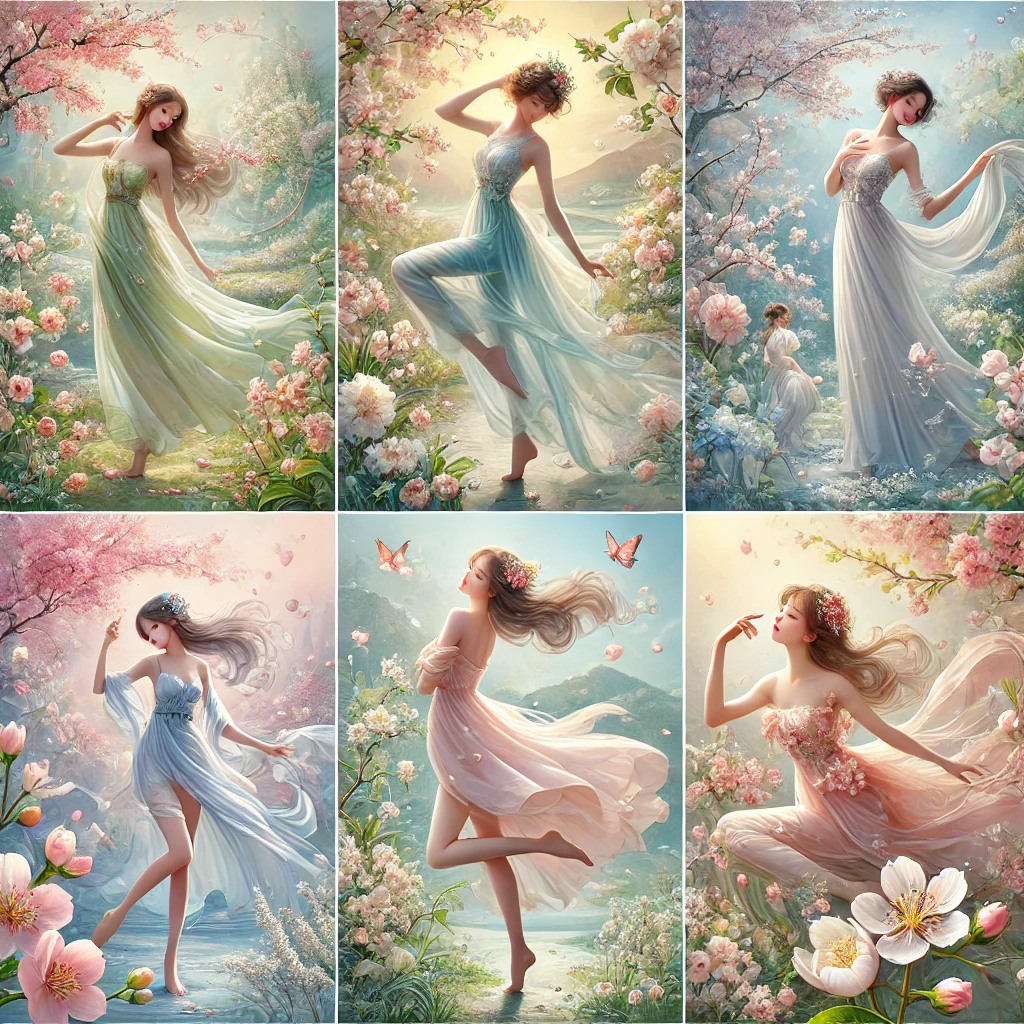
Fall poses settle. The weight sinks into the hips, hands find pockets and mugs, and the head often tilts down in thought.
Light: low and golden, coming from the side. This is the season for long shadows and glowing rim light along one edge of the figure. Give the lit side a warm edge and let the shadow side go cool.
Props: a chunky scarf, a mug of tea, a stack of books, a basket of apples, a pile of leaves.
Three poses to try:
- Walking through leaves. Mid-step, scarf trailing, hands in coat pockets, slight forward lean.
- Curled up reading. Seated with knees drawn up, book resting on them, head bowed.
- Tossing leaves. Arms flung up, leaves suspended, back arched with a big smile.
Winter: stillness and quiet
Winter poses close in. Shoulders rise toward the ears, elbows tuck in, chins drop into collars. The silhouette gets smaller and rounder.
Light: flat, cool and bright, bouncing off snow. Shadows turn bluish and the whites in your drawing do a lot of work. Leave plenty of untouched paper.
Props: a knit hat, mittens, a long coat, ice skates, a lantern, a mug held with both hands.
Three poses to try:
- Bundled against the wind. Shoulders hunched, chin tucked, one arm clutching the coat closed.
- Catching snowflakes. Head tilted back, tongue out or palm up, eyes closed. A rare open winter pose, which makes it charming.
- Gliding on skates. One leg extended behind, arms out wide, the whole body tilted forward.
Pose cheat sheet
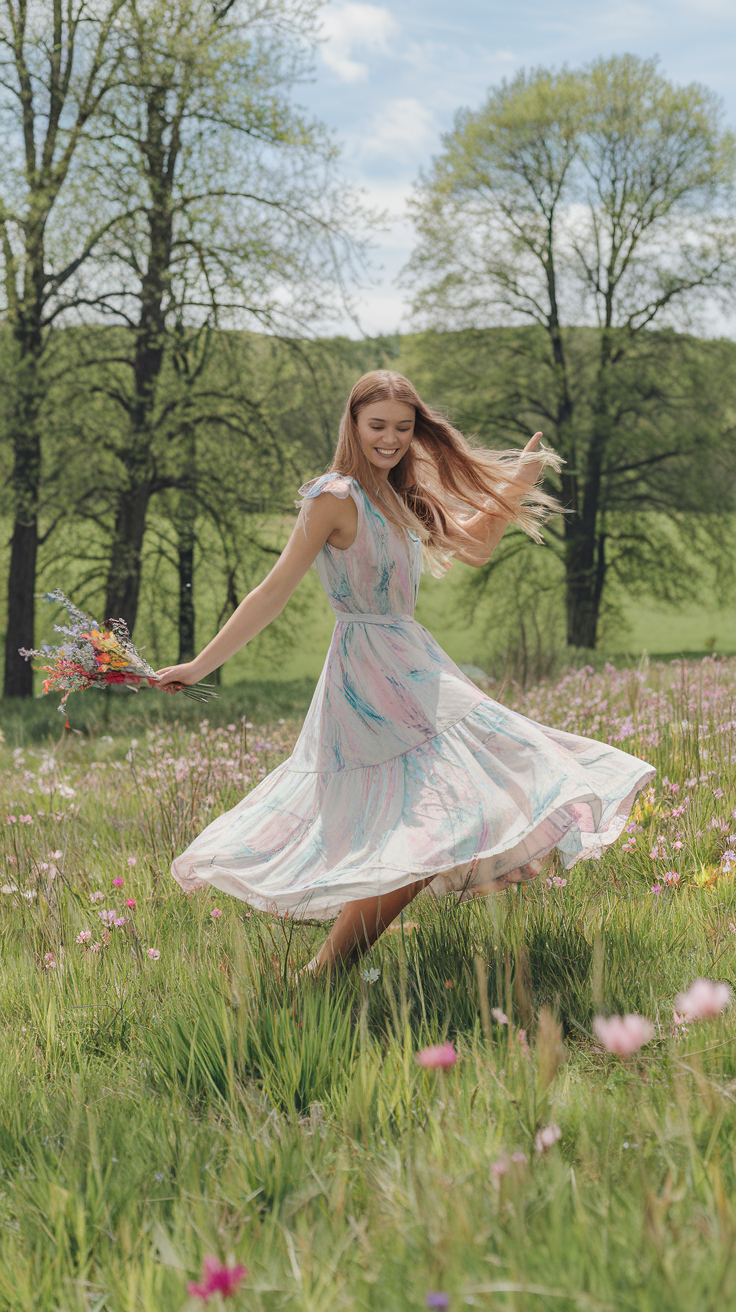
Here’s every pose in one place, with its line of action and the one thing to push further than reality.
| Season | Pose | Line of action | Exaggerate |
|---|---|---|---|
| Spring | Reaching for blossom | Long C-curve | Arm stretch |
| Spring | Umbrella twirl | S-curve | Skirt flare |
| Spring | Kneeling in garden | Forward arc | Lean toward flowers |
| Summer | Hat in breeze | S-curve | Hip tilt |
| Summer | Stretched on towel | Diagonal | Head tipped back |
| Summer | Sprinkler run | Forward diagonal | Arm spread |
| Fall | Walking in leaves | Gentle C | Scarf trail |
| Fall | Curled up reading | Tight curve | Rounded back |
| Fall | Tossing leaves | Reverse C | Back arch |
| Winter | Bundled in wind | Tight C | Raised shoulders |
| Winter | Catching snowflakes | Reverse C | Head tilt |
| Winter | Gliding on skates | Long diagonal | Forward tilt |
Exaggerating by about 10 to 20 percent reads as natural on paper. Real poses tend to look stiff when copied exactly.
Draw the gesture first
This is the order I recommend for every pose, whether you have 2 minutes or 2 hours.
A few notes on each step:
- Line of action. Draw it from the top of the head to the weight-bearing foot. If it’s a straight vertical line, look again. Almost every pose has a curve.
- Head, ribcage, pelvis. Tilt the ribcage and pelvis boxes in opposite directions for most standing poses. That opposite tilt is what makes a pose feel alive.
- Limbs. Tubes and circles for joints. Getting the gesture right with tubes matters more than any detail, and for help with lengths, my proportion and perspective guide covers measuring.
- Weight and balance. Drop an imaginary line straight down from the pit of the neck. In a standing pose it should land on or near the supporting foot, or the figure looks like it’s tipping over.
- Props and folds. Folds radiate from where fabric is pinched or pulled: elbows, knees, the waist, a hand gripping a scarf. A scarf or loose hair blowing one way instantly adds wind and movement.
Hands holding props are the hardest part of these poses. Block the hand as a mitten wrapped around the mug or umbrella first, then refine. My guide on how to draw realistic hands breaks this down.
The practice ladder: 30 seconds to 10 minutes
Timed drawing trains your eye to grab the big gesture fast. Work up the ladder in one session.
A good 30-minute session: ten 30-second poses, five 2-minute poses, two 5-minute poses and one 10-minute pose. Use the cheat sheet above as your pose list, or pull from my female poses for artists collection.
Drawing from photos vs. from life

Both are useful. They teach different things.
| From photos | From life | |
|---|---|---|
| Best for | Fast action and wind poses | Weight, volume and balance |
| Watch out for | Lens distortion and flat shadows | Models moving and tiring |
| Seasonal tip | Shoot your own reference in each season | Use a friend in a coat by a window |
| Time | Unlimited | Usually 2 to 20 minutes |
When working from photos, choose pictures taken at eye level from at least 6 feet away to limit distortion, and avoid ones with flash, which flattens the light you need for seasonal mood.
Investment pieces worth it
A pencil, cheap printer paper and a timer will take you a long way with this. These are for artists who draw figures often and want a smoother setup.
Apple iPad Air 13-inch (M4) with the Apple Pencil Pro (around $929 plus about $99). A large screen doubles as a reference viewer, a pose timer and a digital sketchbook you can’t run out of. Worth it if you do daily gesture drills and want to keep hundreds of studies without a paper pile. Skip it if you already own a tablet that runs a drawing app, or if you prefer the feel of graphite.
MEEDEN Versatile Studio H-Frame Easel (around $165). Standing at an easel lets you draw from the shoulder, which gives you longer, more confident gesture lines than drawing from the wrist at a desk. Worth it if you draw from life or want to work larger than 11 x 14 inches. Skip it if your space is tight and you draw small in a sketchbook. My easel guide compares styles.
Daylight Company Lumi Task Lamp (around $195). A 95+ CRI lamp lets you set up a single strong light on a live model or still life, so you can practice warm fall side light or cool winter light on demand. Worth it if you draw in the evenings. Skip it if you mostly work from photos in daylight.
The takeaway
Seasonal figures come alive through gesture first: the curve of the body responding to sun, wind or cold. Start with the line of action, exaggerate one thing, and add the scarf and snowflakes last.
Which season’s poses are you drawing first? Tell me in the comments, and save this pin for your next gesture session.