How to Design a Beautiful, Functional Workspace That Inspires You Every Day
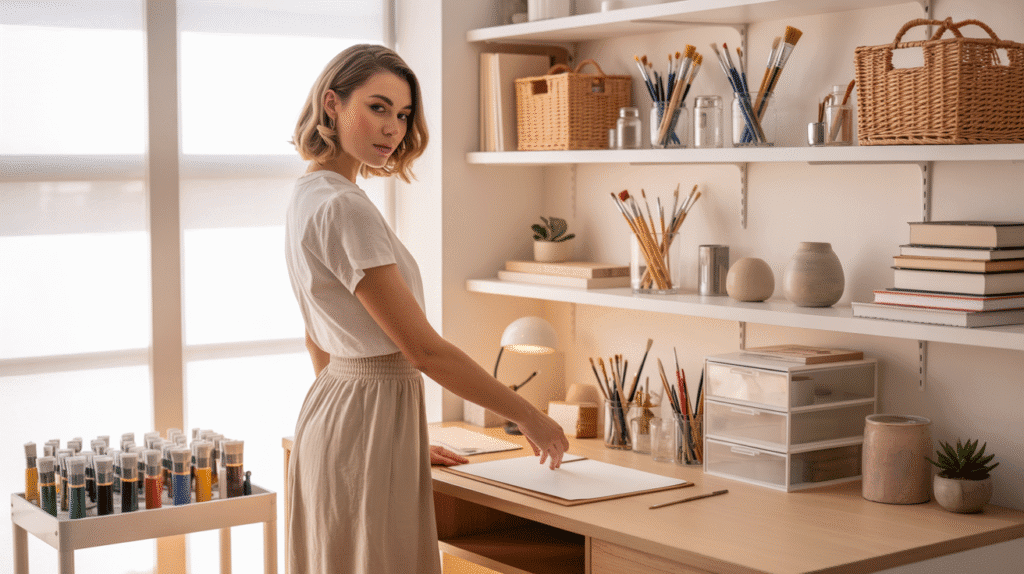
Designing an art studio is more than choosing furniture and storage — it’s about building a space that supports your creativity, sparks inspiration, and helps you work more efficiently. Whether you’re carving out a small corner in a bedroom or transforming an entire room into a creative sanctuary, the right setup turns your space into a place where ideas flow naturally.
This guide walks you through everything you need to create a thoughtful, functional, and deeply inspiring art studio. We’ll break down layouts, furniture essentials, storage systems, lighting, and aesthetic styling — plus give you actionable tips to make your studio work beautifully no matter its size.
By the end, you’ll be able to design a workspace that feels intentional, visually cohesive, and uniquely “you.”
SECTION 1 — Choosing the Perfect Studio Layout
Your layout sets the foundation for your workflow. It determines how comfortable, efficient, and organized your creative process feels.
Below are the four most functional layout styles for artists, each designed for different room types and creative needs.
1. The Open Layout (Ideal for Large Rooms)
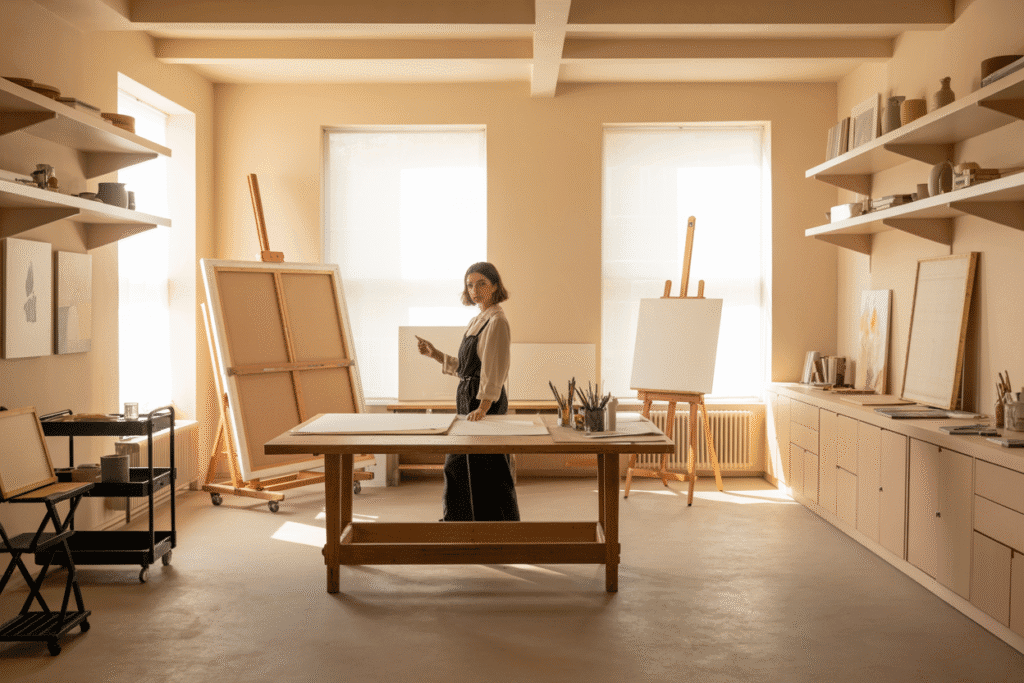
An open layout gives you space to breathe, move, and build multiple zones.
Characteristics:
- Central workstation
- Storage on the perimeter
- Room for easels or large canvases
- Ideal if you work in multiple mediums
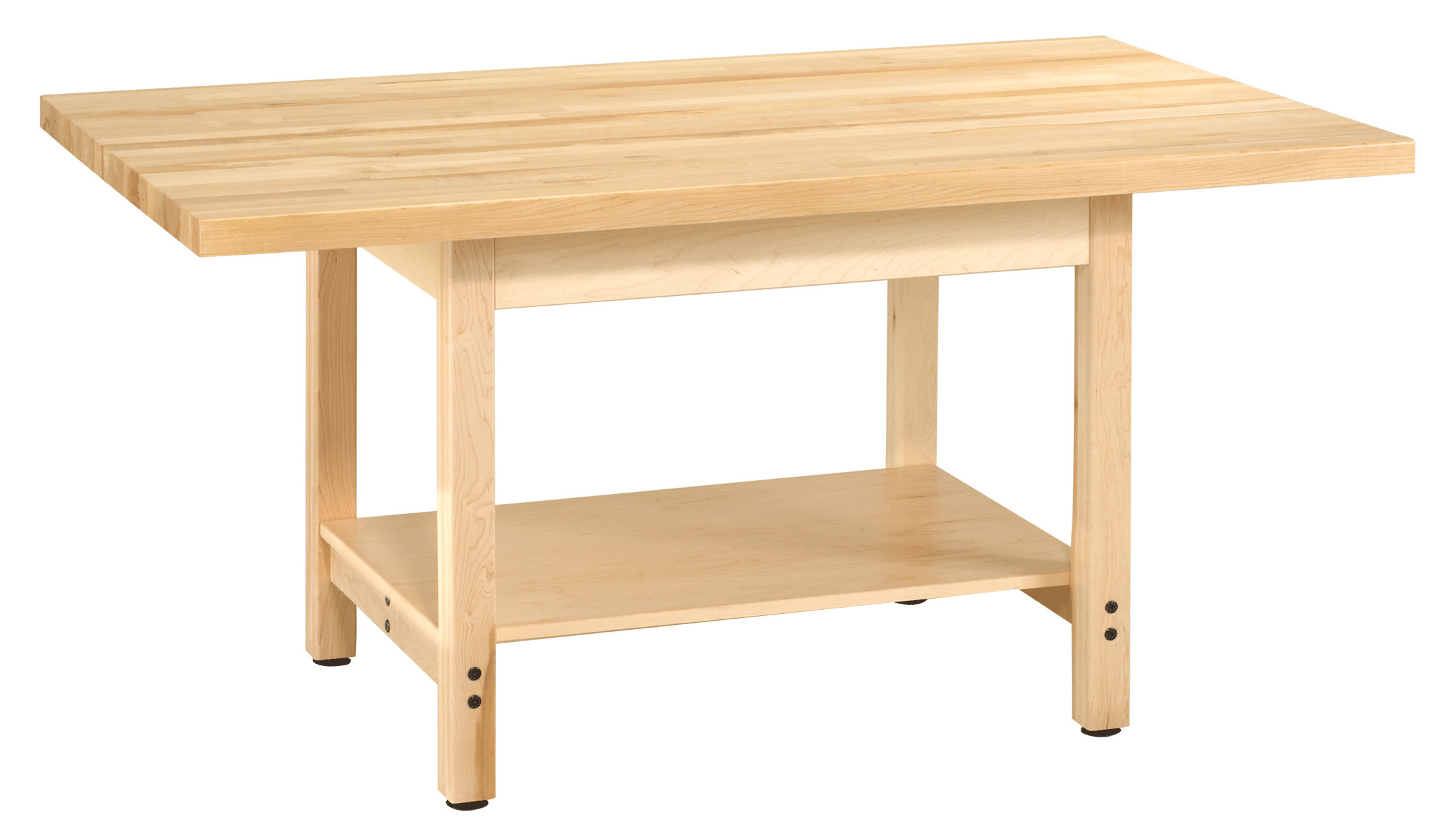
Beech Wood 43.5 x 44 x 150 cm (LxWxH), 17.13 x 17.32 x 59.1

Why it works:
This layout keeps your table or easel easily accessible while storing everything else around the room for a calm, balanced look.
2. The Zoned Layout (Best for Multi-Medium Artists)
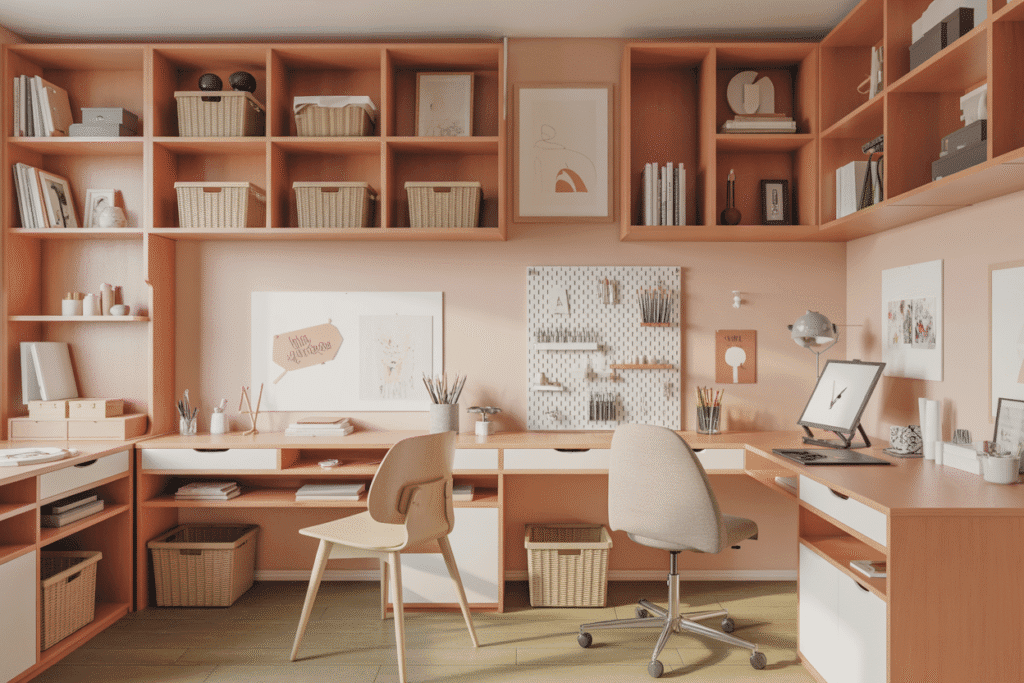
This is the layout that makes you feel like a professional artist.
You’ll create small “stations” for different tasks:
- Wet media station
- Drawing desk
- Digital art corner
- Storage wall
- Photography or content corner
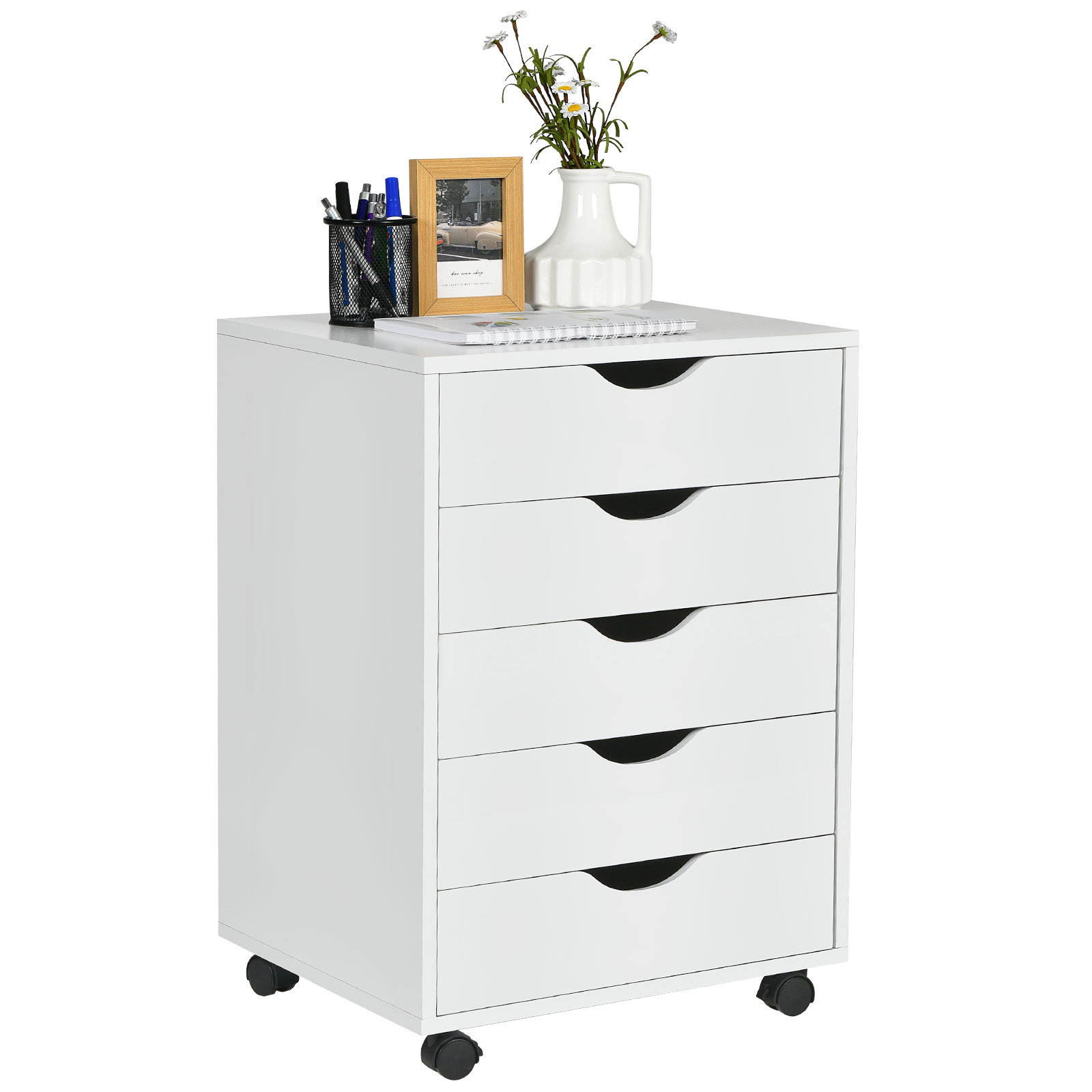
Storage Cabinet Dressers with Wheels, Dressers Storage Cabinets, Dresser Mobile Cabinet with Wheels, Room Organizer, Drawers Wood Organization Furniture for Office, Home, White


Office Desk Accessories, Foldable iPad Air Holder Travel Accessories 10th Generation Home Office for Desk Men Gifts Fits Tabs Kindle iPhone 4-15.9 Black

→ Small Art Studio Organization Ideas
→ How to Organize Your Brushes, Pens & Tools
Why it works:
You always know where things belong. Cleanup becomes fast. Switching mediums becomes effortless.
3. The L-Shape Workspace (Perfect for Corners)
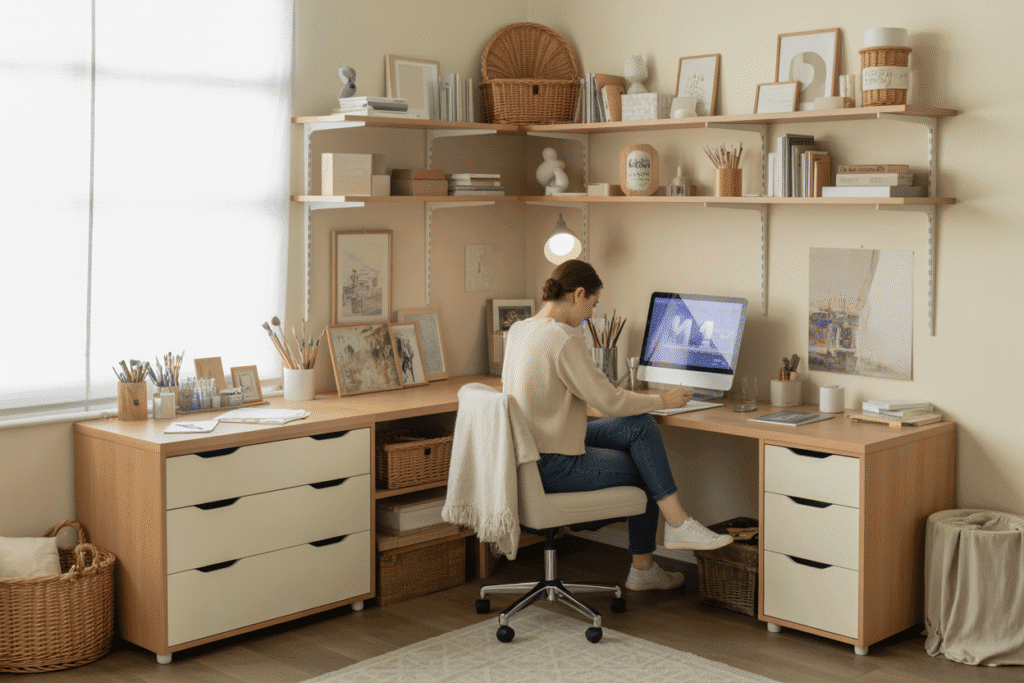
The L-shape setup is one of the most efficient for small rooms or shared spaces.
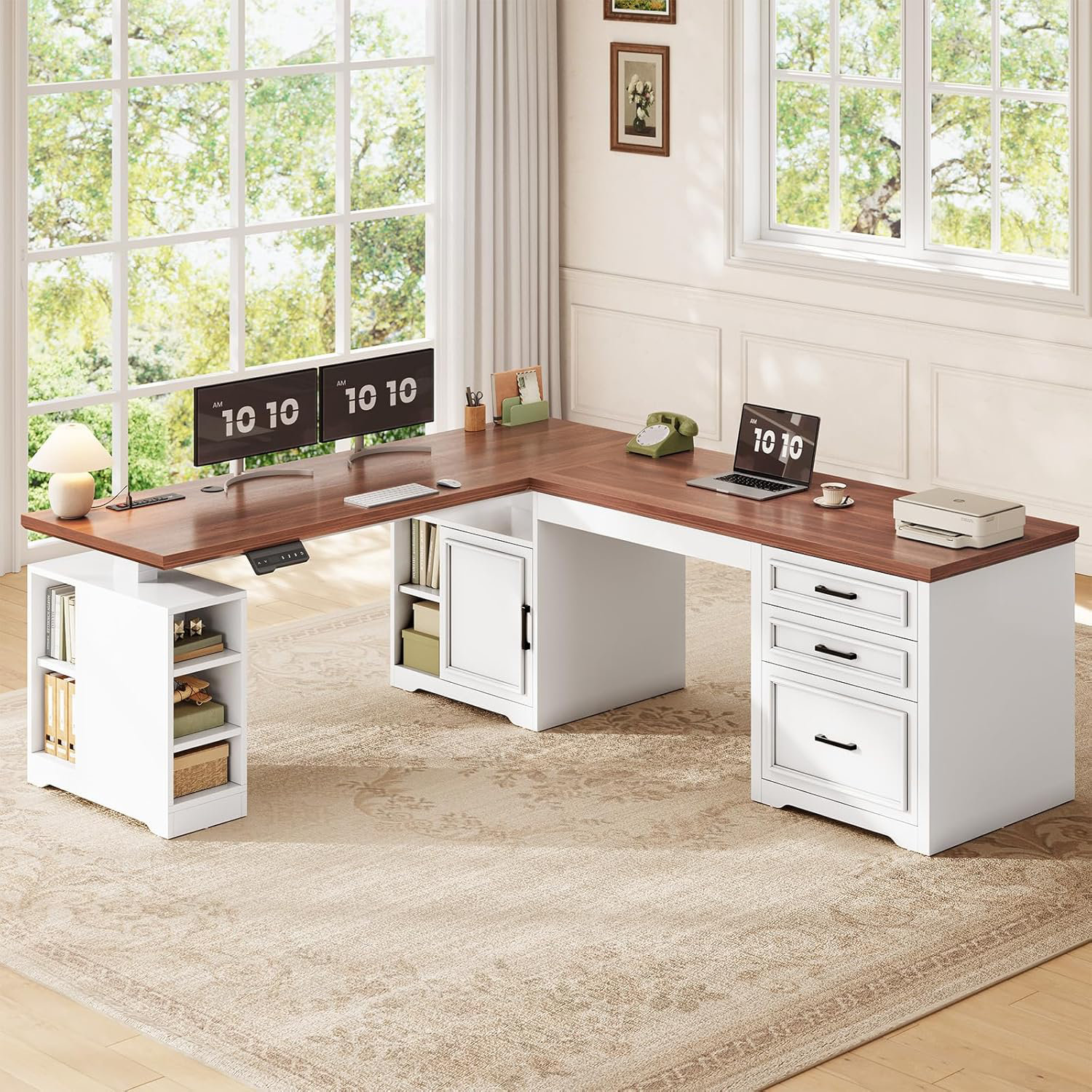
Design it with:
- A main table for art
- A side table for storage or digital tools
- Shelves right above the “L” for vertical storage
L Shaped Computer Desk, Farmhouse L Shaped Electric Standing Desk & Reviews | Wayfair
Dual-Purpose Art Supply Pencil Cup for Office, School, Home

Why it works:
You get continuous surface area without feeling cramped, and you can separate messy and clean workspaces without needing a large room.
4. The Minimal Corner Studio (Great for Bedrooms or Apartments)
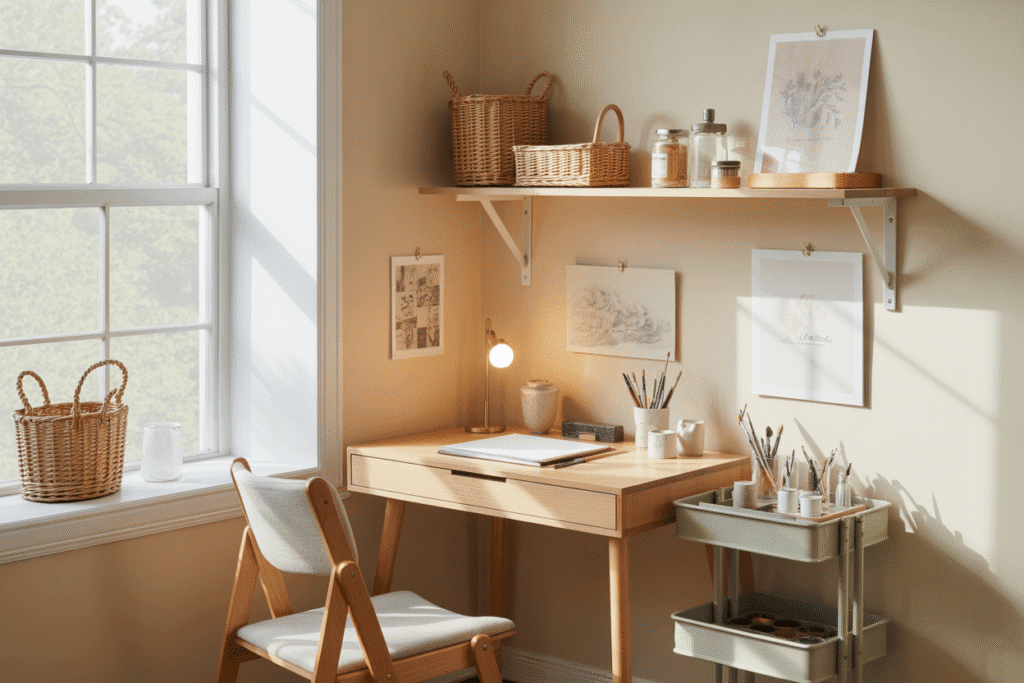
You’d be surprised how powerful a simple, well-designed art corner can be.
Key elements:
- A compact desk
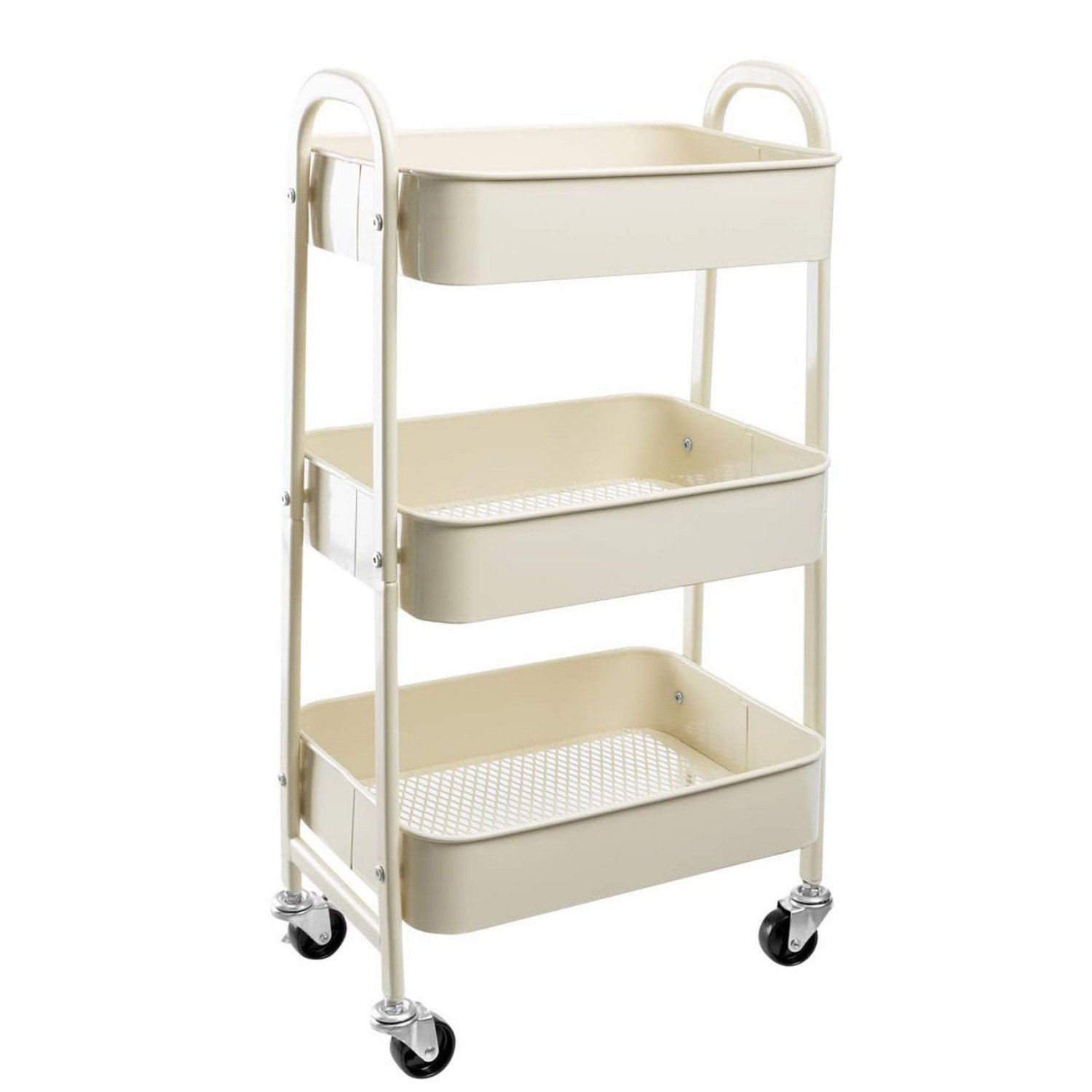
- A rolling cart
- A wall shelf above the workspace
- Aesthetic storage on the wall
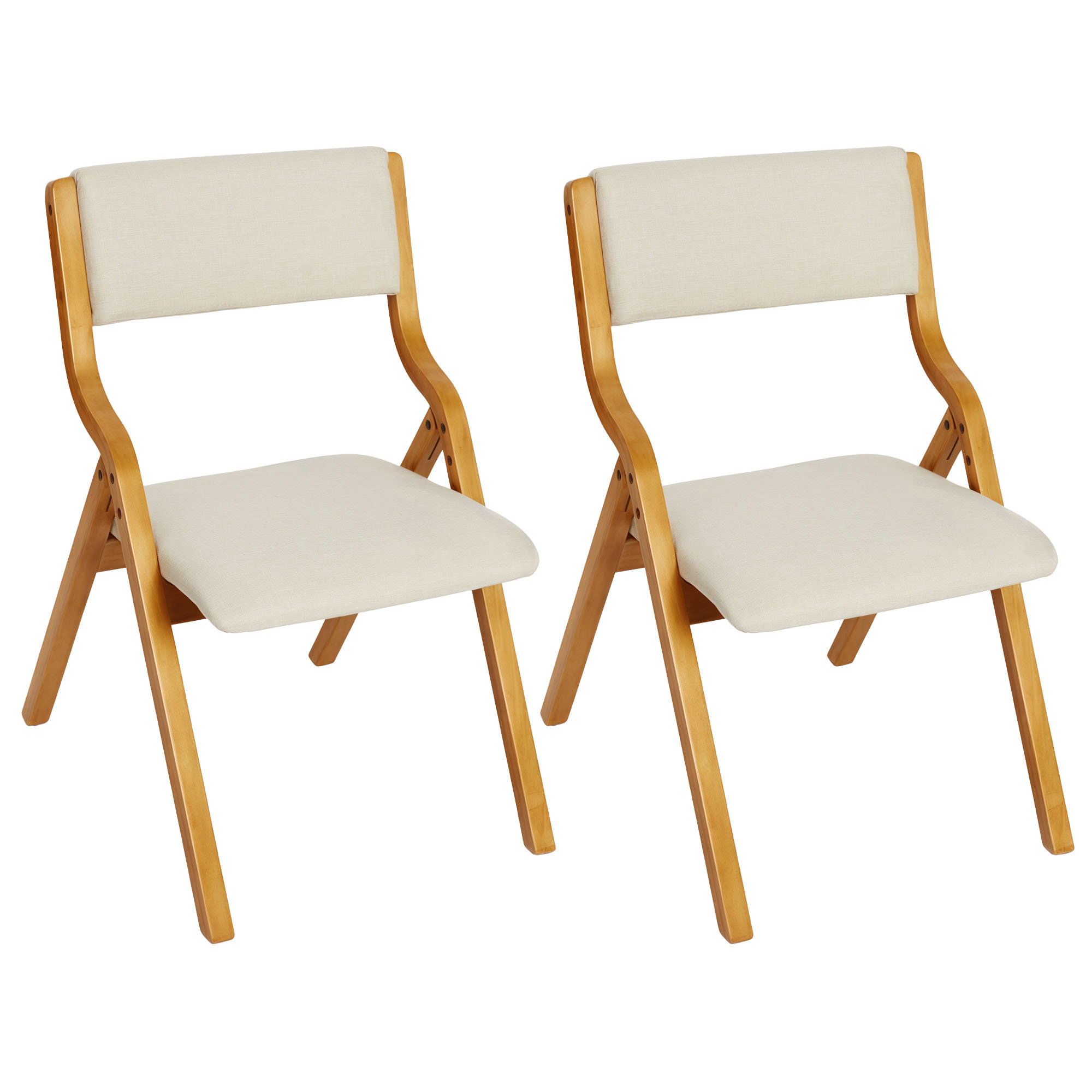
- A foldable chair or stool
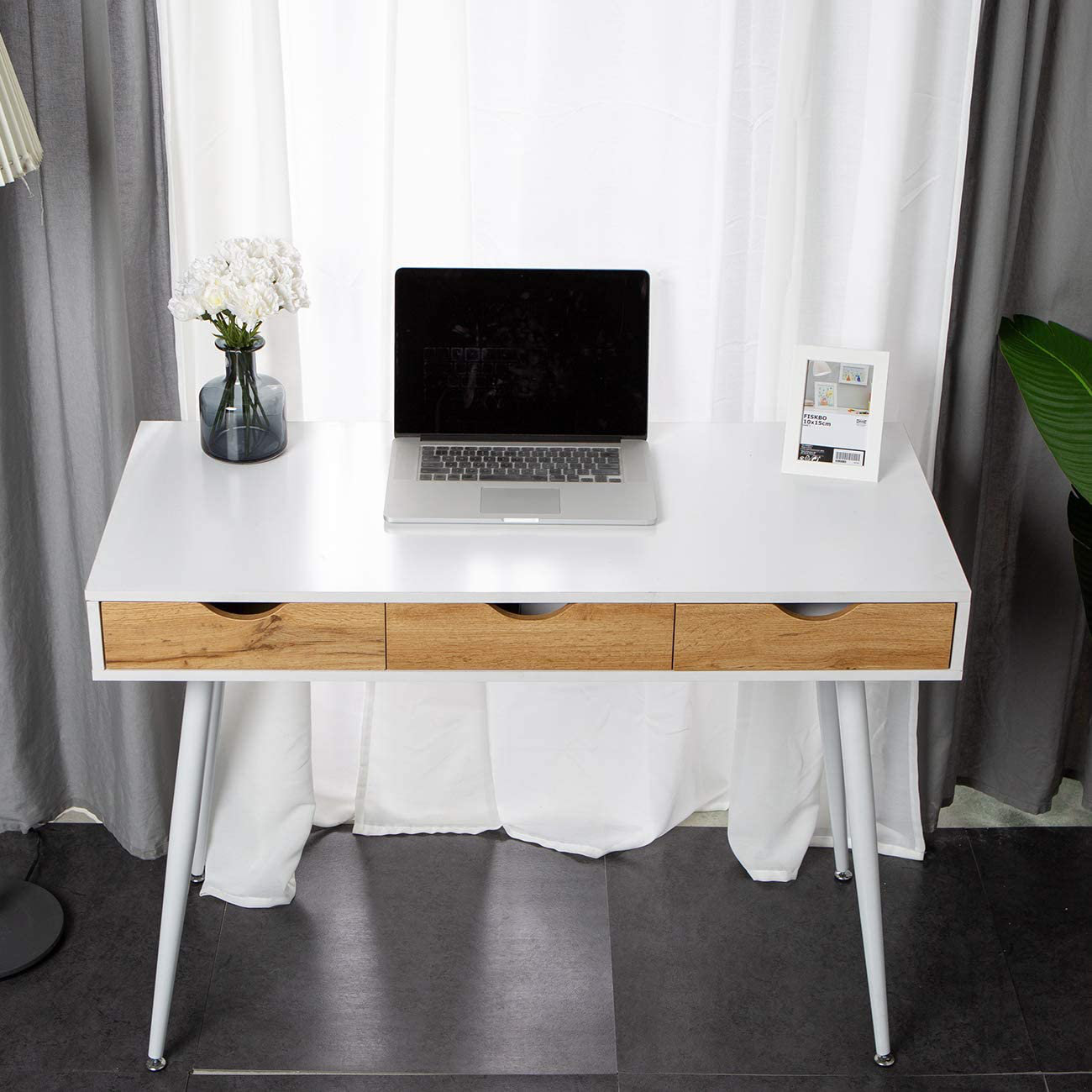
Red Barrel Studio Edenbourgh Fabric Padded Stackable Folding Chair Set Of 2 & Reviews | Wayfair
66 Pounds Capacity, Mesh Storage Organizer with Lockable Wheels, 3 Hanging Cups, 4 Hooks, Easy Assembly, for Kitchen, Bathroom, Laundry, Grocery

Why it works:
This layout is clean, compact, and highly functional — perfect for artists working in smaller homes.
SECTION 2 — Furniture Essentials Every Artist Needs
You don’t need expensive furniture to build a luxurious, efficient studio.
You just need the right essentials.
Below are the five core furniture pieces that make the biggest difference in your workflow.
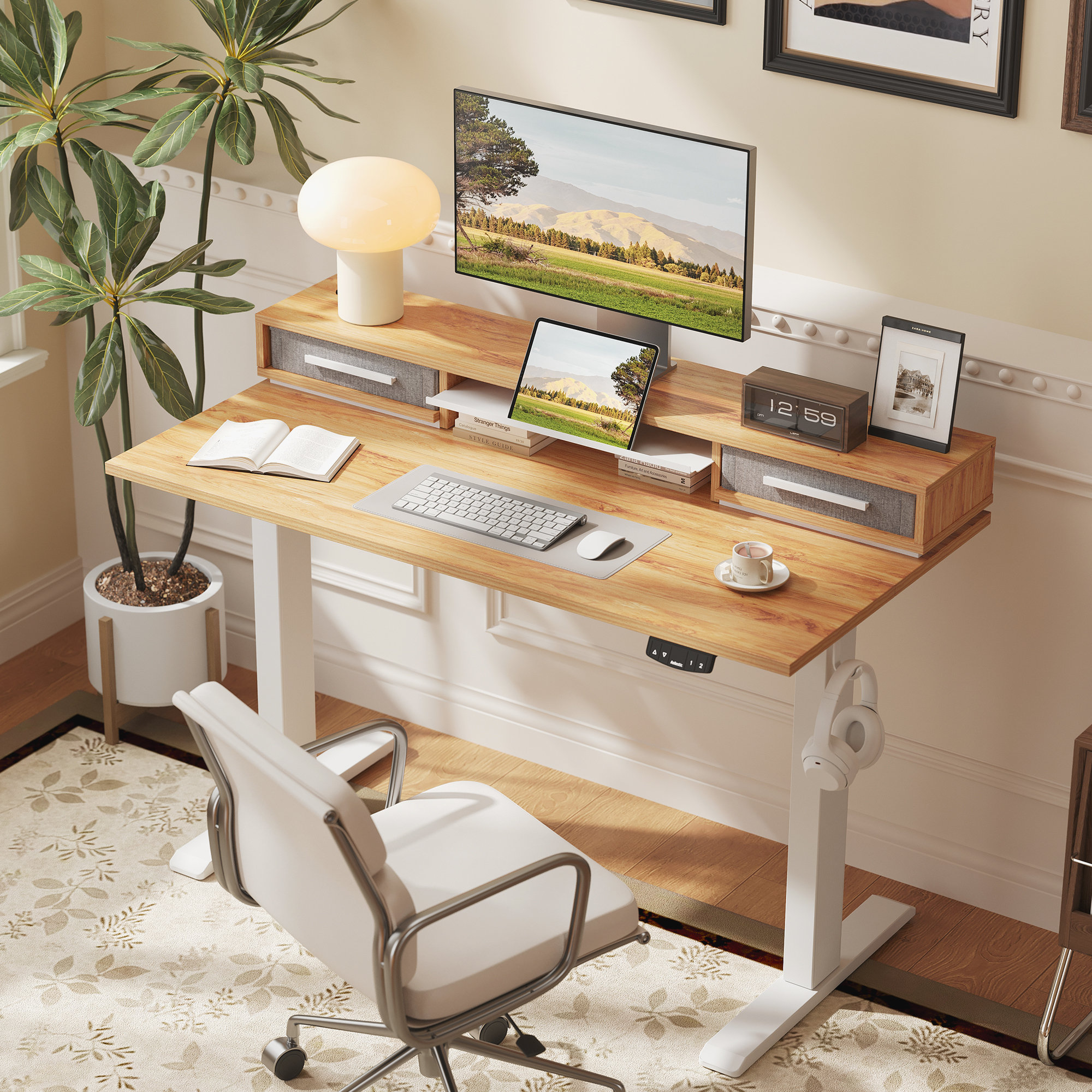
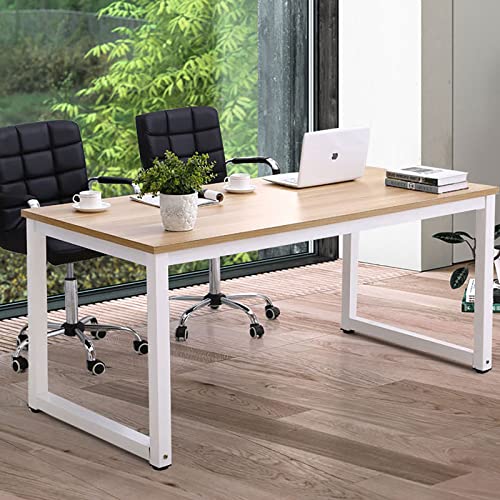
1. A Durable, Spacious Art Desk
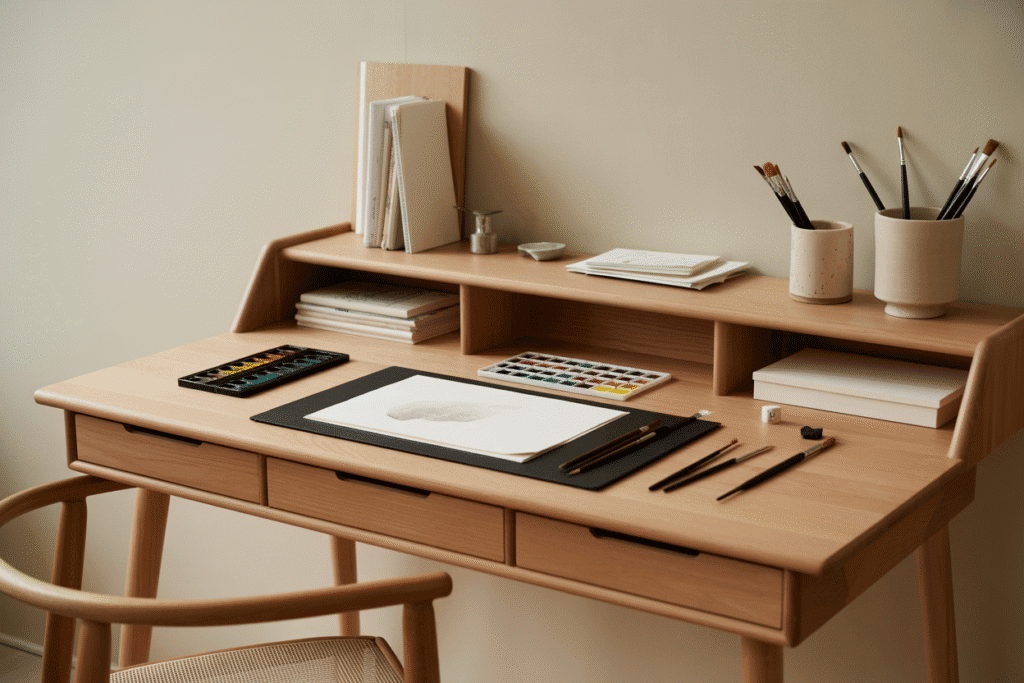
Your desk is the heart of your studio.
Look for:
- A wide workspace
- A 32–48″ depth for comfort
- Solid wood or sturdy metal
- Easy-to-clean surfaces
- Adjustable desk height (if possible)
Desk styles that work beautifully:
- Minimal wood desks
- White modern worktables
- Industrial style wooden tables
- Standing desks with a wood top
Adjustable Desk With Storage Shelf, Stand Up Home Office Computer Table | Wayfair
63 Inch Large Office Desk, Writing Study Table for Home Office Desk Workstation Wide Metal Sturdy Frame Thicker Steel Legs, White
2. A Supportive, Comfortable Chair or Stools
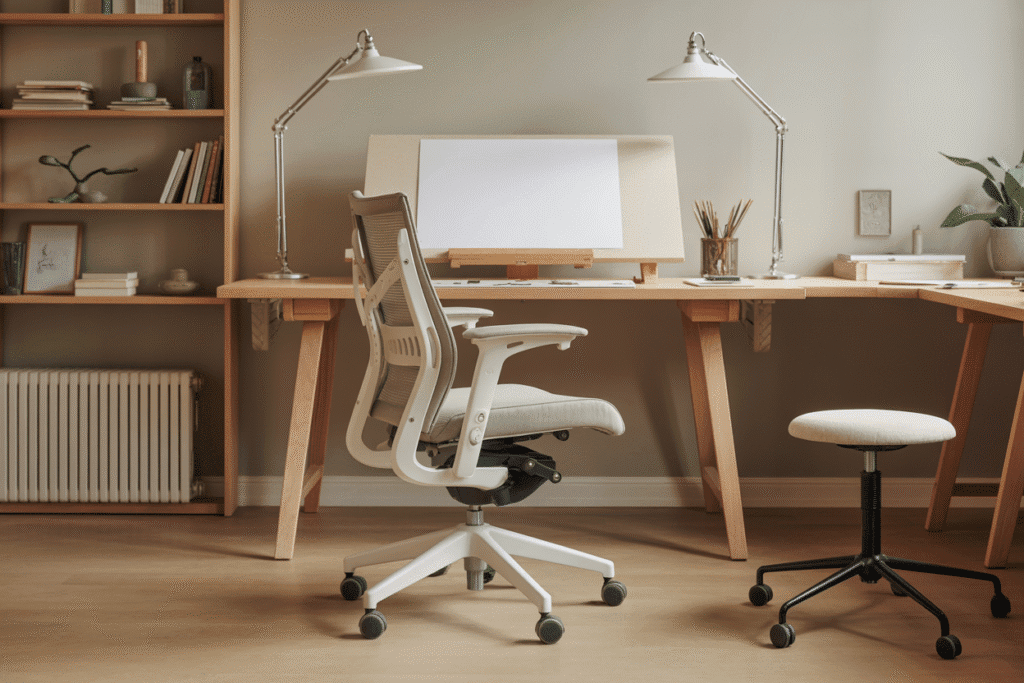
You need seating that supports long creative sessions.
Great options:
- Ergonomic chairs
- Adjustable drafting stools
- Backless wood stools for short sessions
Choose something that:
- Has lumbar support
- Allows natural posture
- Matches your studio’s color palette
High Back Computer Desk Chair with Thickened Seat Cushion, Rolling Wheels for Home/Office Study Work
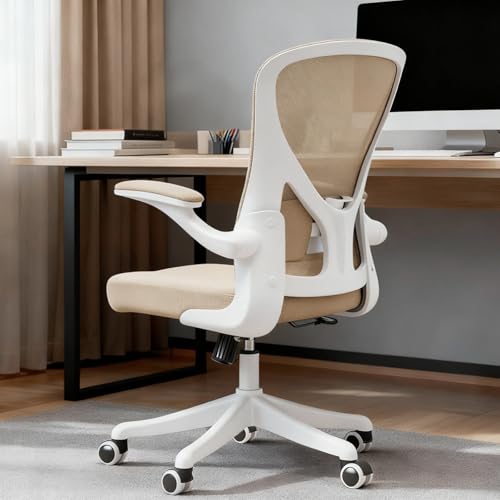
Executive Ergonomic Computer Standing Desk Chair with Lumbar Support and Adjustable Footrest Ring Khaki

3. Drawer Units (Your Organizational Backbone)
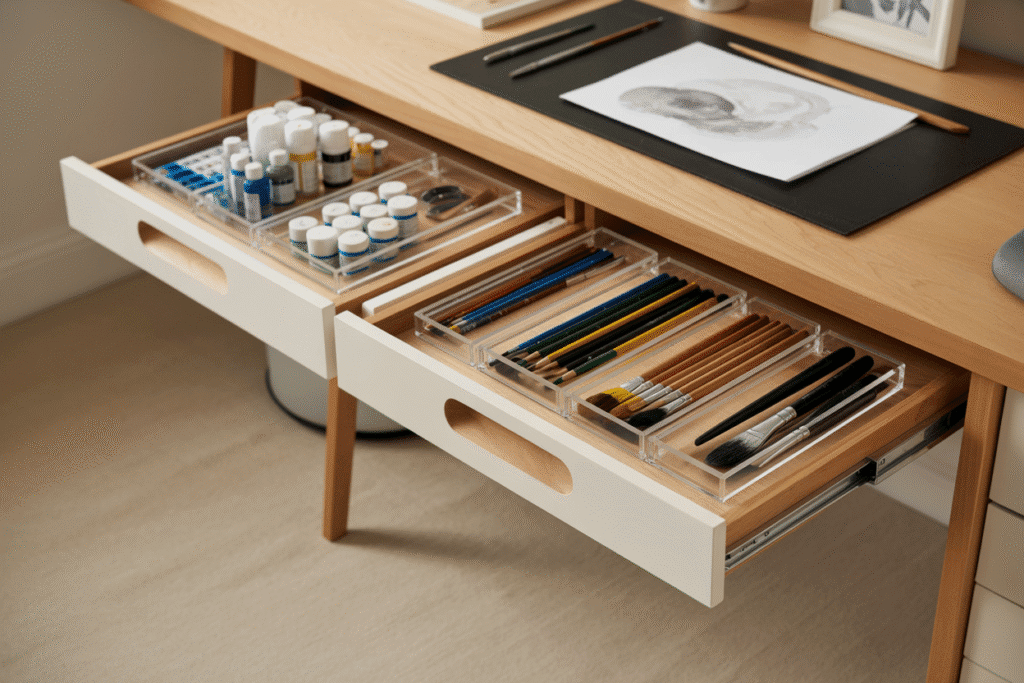
Drawer units create order, reduce clutter, and make it easy to find what you need instantly.
Use drawer units to store:
- Paint tubes
- Pencils
- Tools
- Brushes
- Paper scraps
- Palettes
- Mediums
The best units for artists:
- Shallow, wide drawers
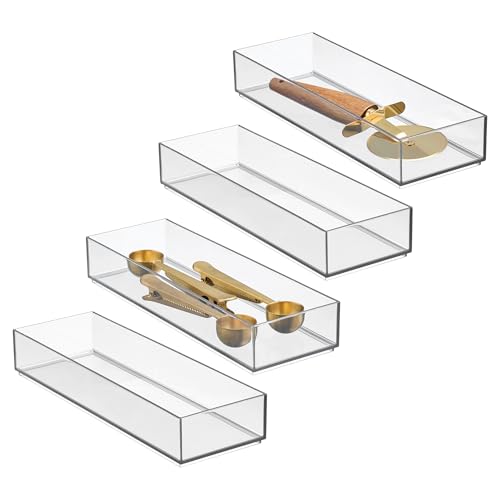
- Clear acrylic drawers
- Wooden drawer cabinets
- Rolling drawer carts
Kitchen and Bathroom Organization Silverware, Spatulas, Gadgets, Large-Set of 4
→ Best Drawer Units for Artists
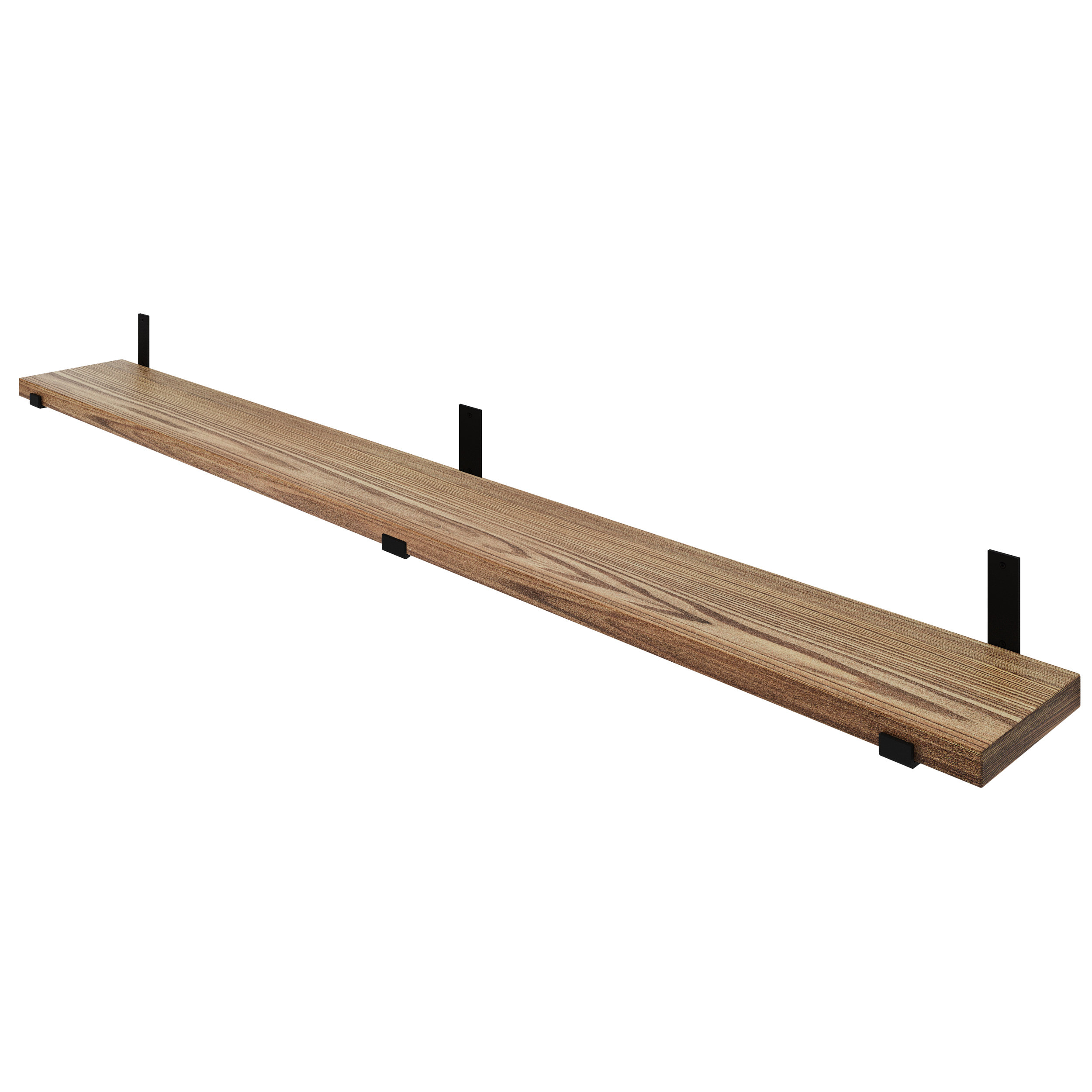
4. Shelving — Vertical Storage That Saves Space
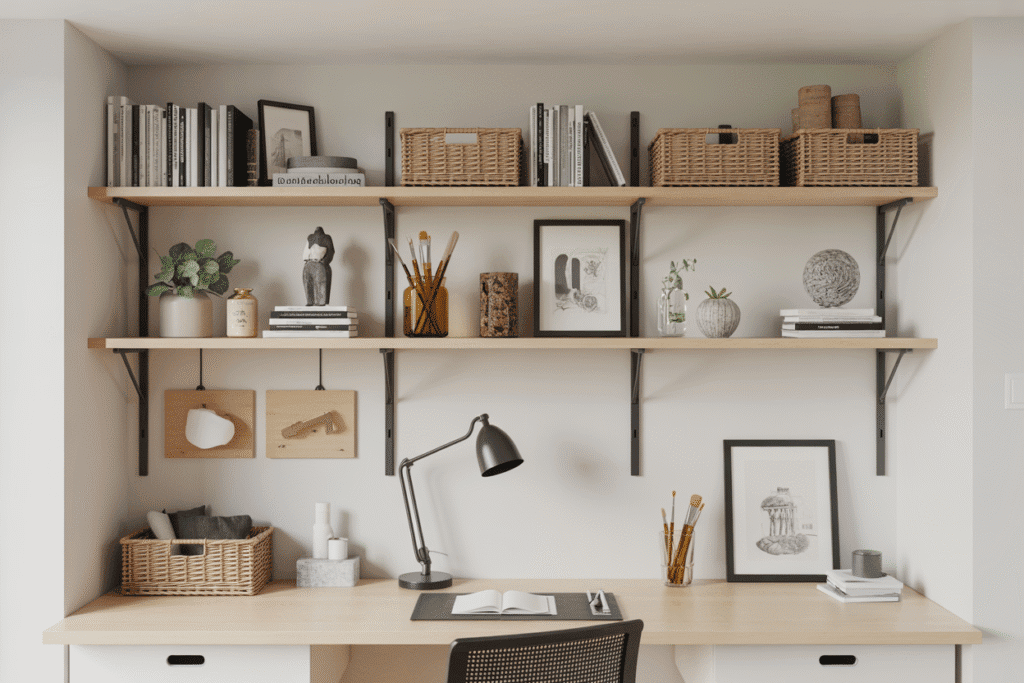
Shelves expand your studio upward and keep surfaces uncluttered.
Choose from:
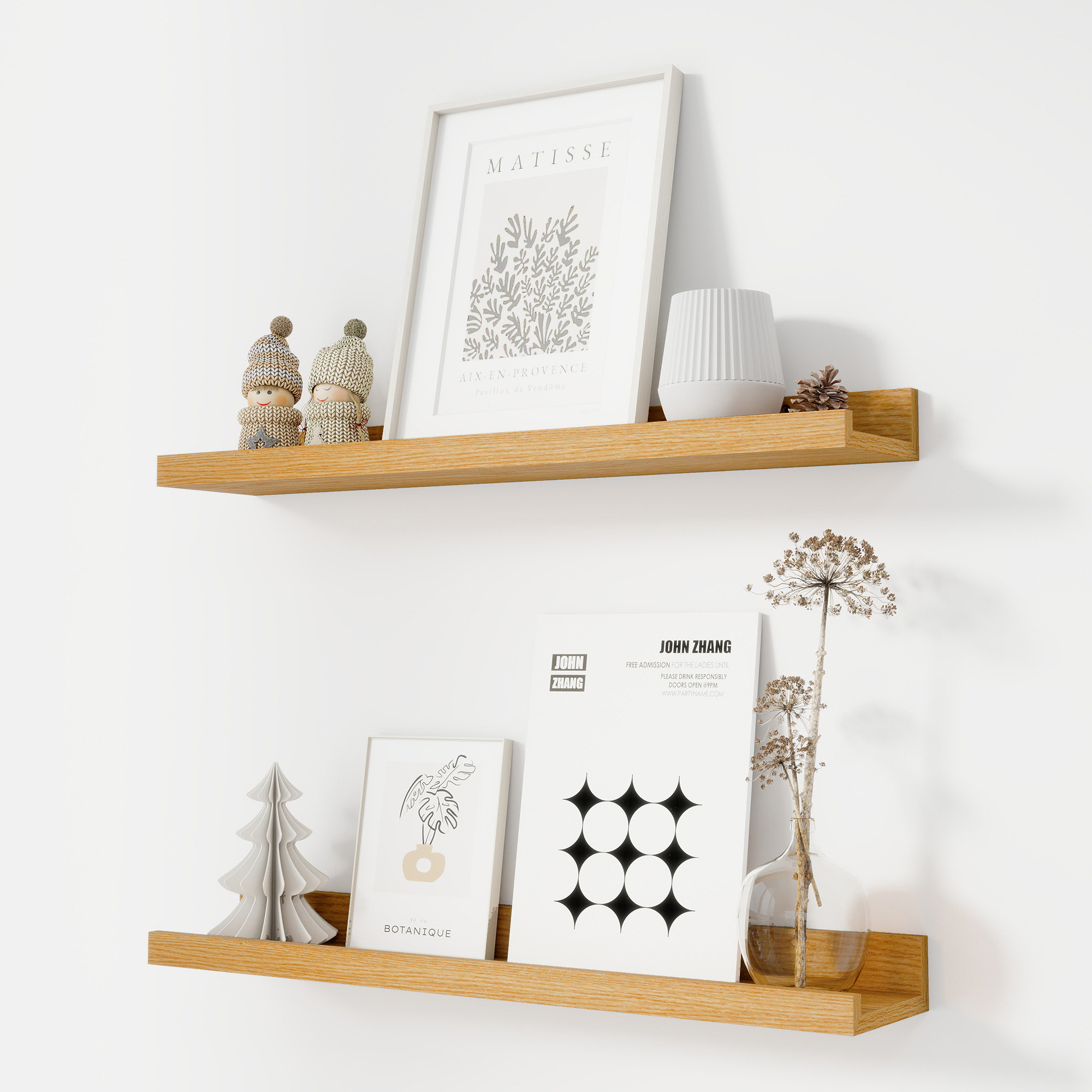
- Floating shelves
- Cube storage shelving
- Ladder shelves
- Wall-mounted racks
Best for storing:
- Pencil jars
- Baskets
- Paint trays
- Sketchbooks
- Decorative tools
- Display pieces
Water Hyacinth Woven Basket, Decorative Baskets for Shelves, Basket for Gifts, Closet, Pantry, and Home Organization, Set of 3, Multi-Size

5. A Mobile Art Cart
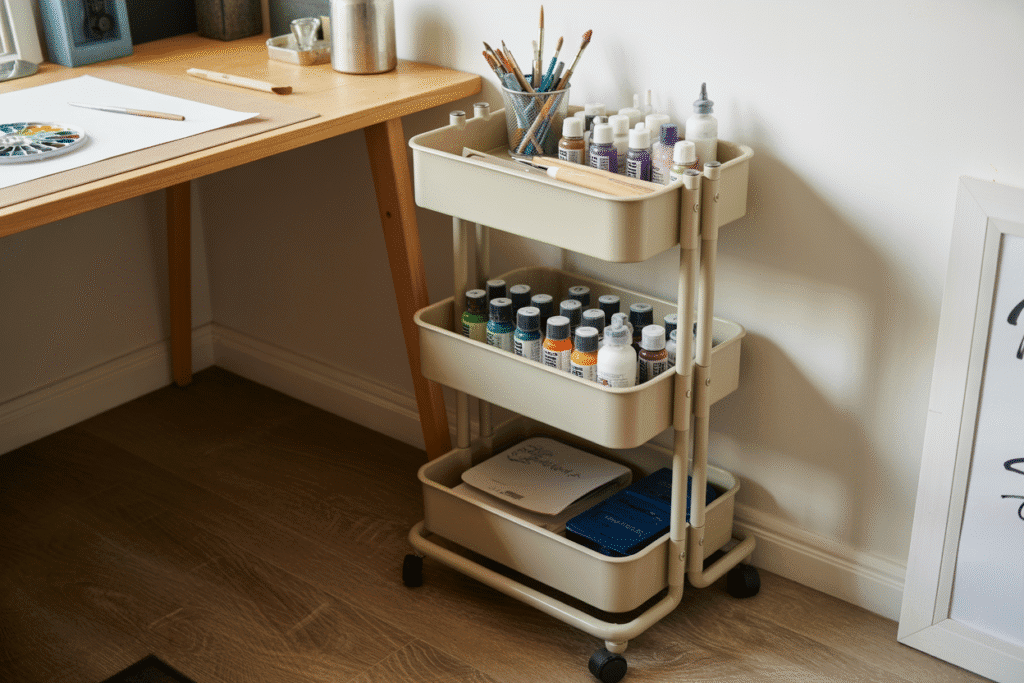
A rolling cart gives you instant mobility and easy cleanup.
Use it for:
- Wet media supplies
- Painting stations
- Marker collections
- Mixed media tools
- Daily-use essentials
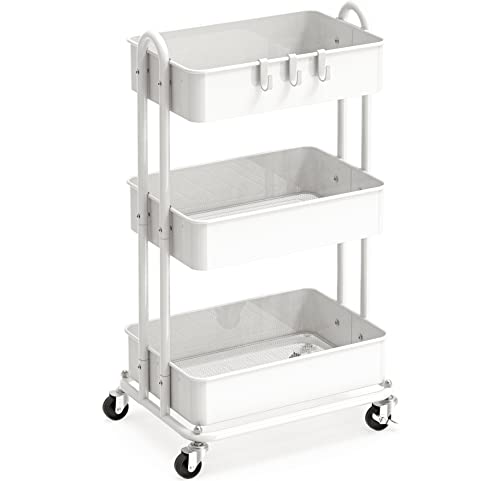
Why artists love it:
You can roll your tools to the desk, easel, or any project area — then tuck it away neatly.
SECTION 3 — The Best Storage Systems to Keep Your Studio Organized
Let’s break down storage solutions by use case.
1. Desktop Organizers
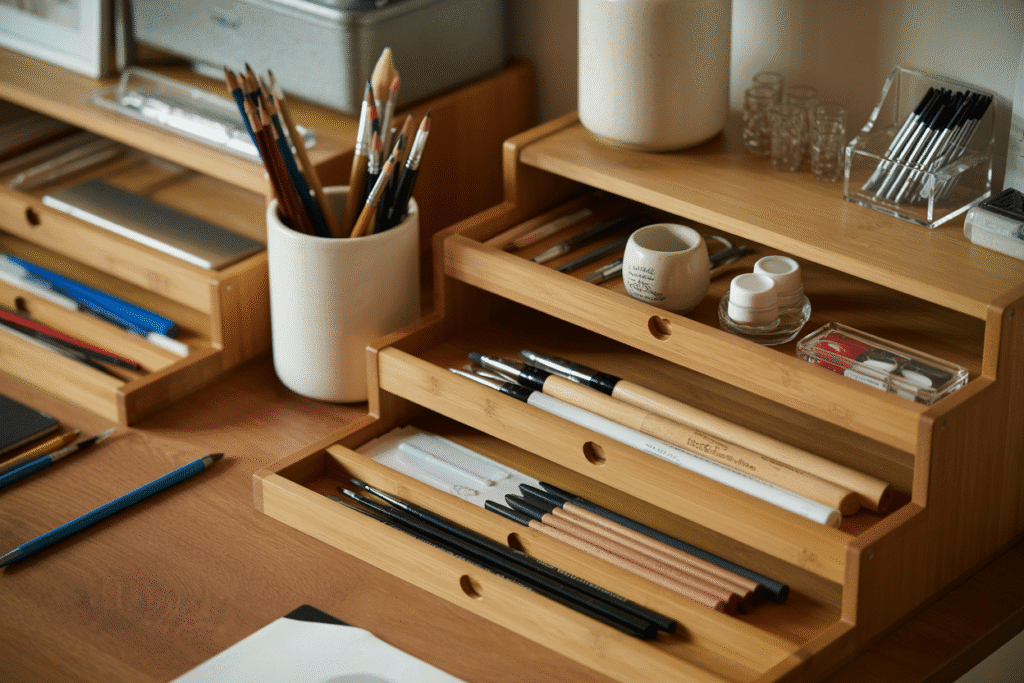
Perfect for keeping the tools you reach for constantly.
Use them for:
- Pencils
- Markers
- Brushes
- Craft knives
- Adhesives
- Rulers
- Small paints
Styles that look beautiful:
- Acrylic organizers
- Bamboo drawer units
- Divided wooden trays
- Ceramic cups
Expandable drawer dividers,wooden storage organizers,drawer organizers for kitchen, bathroom,flatware,Tea Bag Organizer (1 X 5PCS Natural)

2. Pegboards & Wall Grids
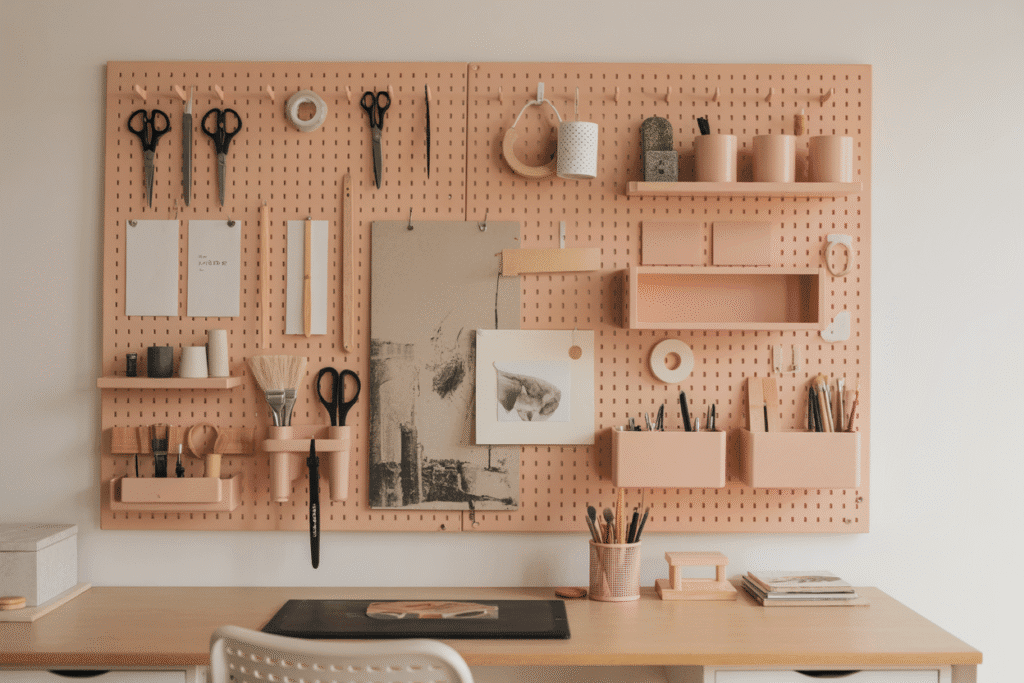
These make your studio both aesthetic and functional.
Use for:
- Scissors
- Brushes
- Tape
- Tools
- Small shelves
- Cups
- Mini organizers
Why they work:
They turn wall space into easy-access storage while doubling as decor.
For Memo Picture Panel Wall Decoration for Room Office Mat Photo Hanging Art Display Frames Desk Storage Organizer,17.3" x 11.8"(2Pack) (Gold)

Peg Board Hooks Assortment Organizer Accessory, Various Tools Storage Arrange System Kit for Garage Craft Workshop Workbench Hobby

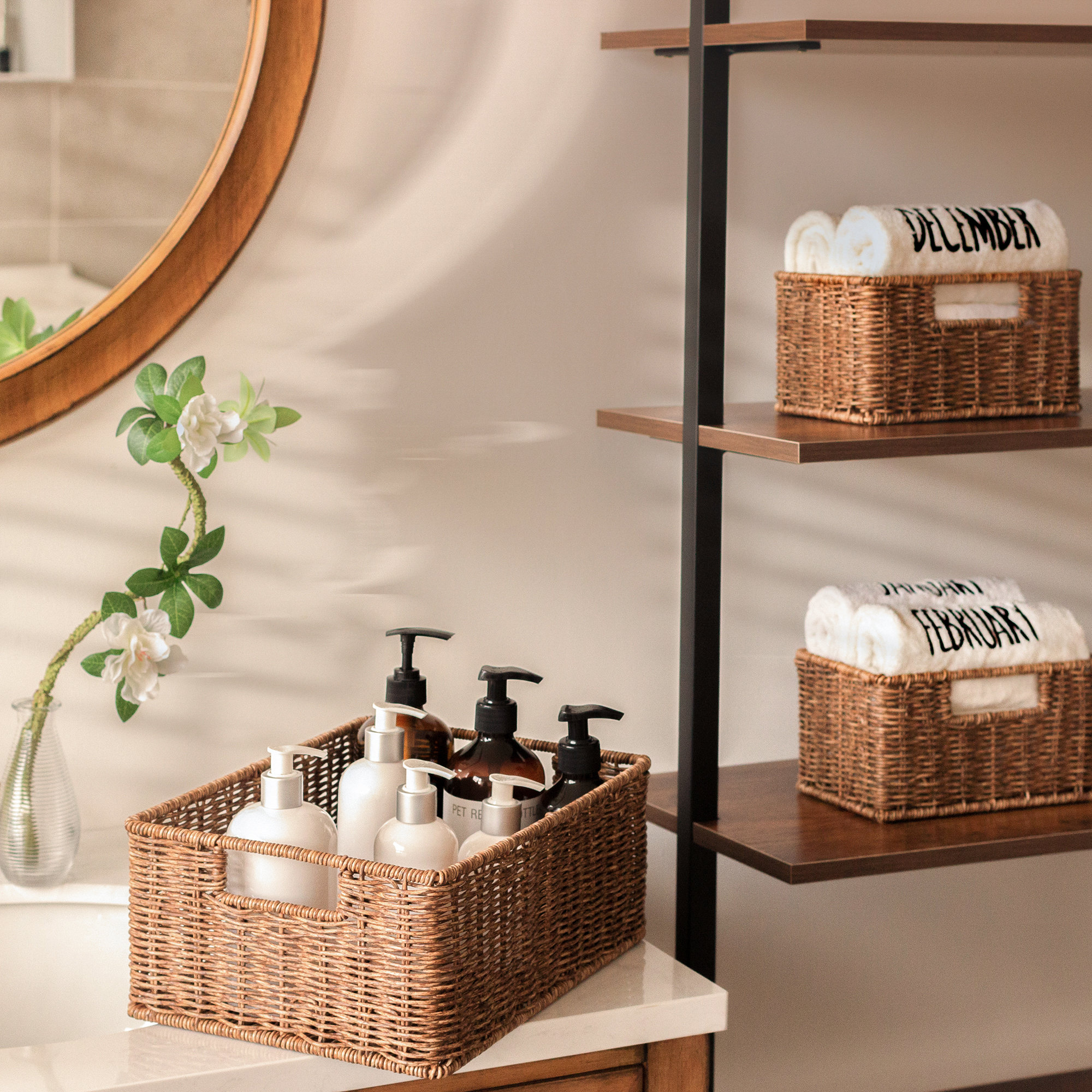
3. Baskets, Bins & Dividers
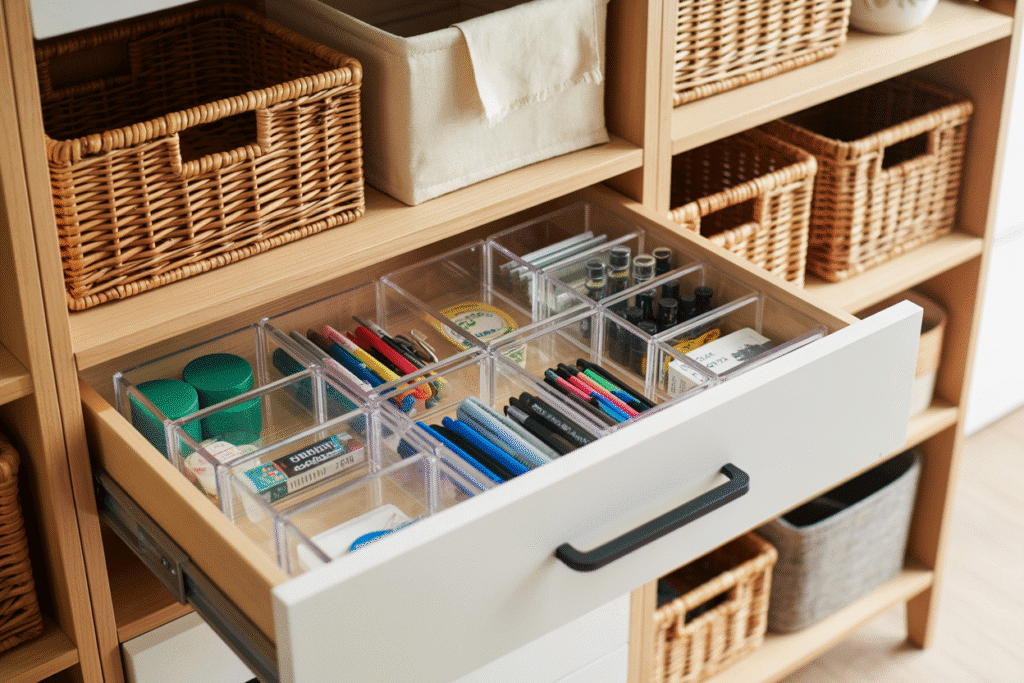
Keeping your drawers organized is essential for long-term maintenance.
Use:
- Rattan baskets for warmth
- Acrylic bins for visibility
- Dividers for smaller tools
- Deep bins for bulky items
4" High 10.2"-16.5" Adjustable Expandable Dresser Drawer Organizer, Clear Plastic Separators for Dresser, Baby Clothing, Underwear, Cosmetics

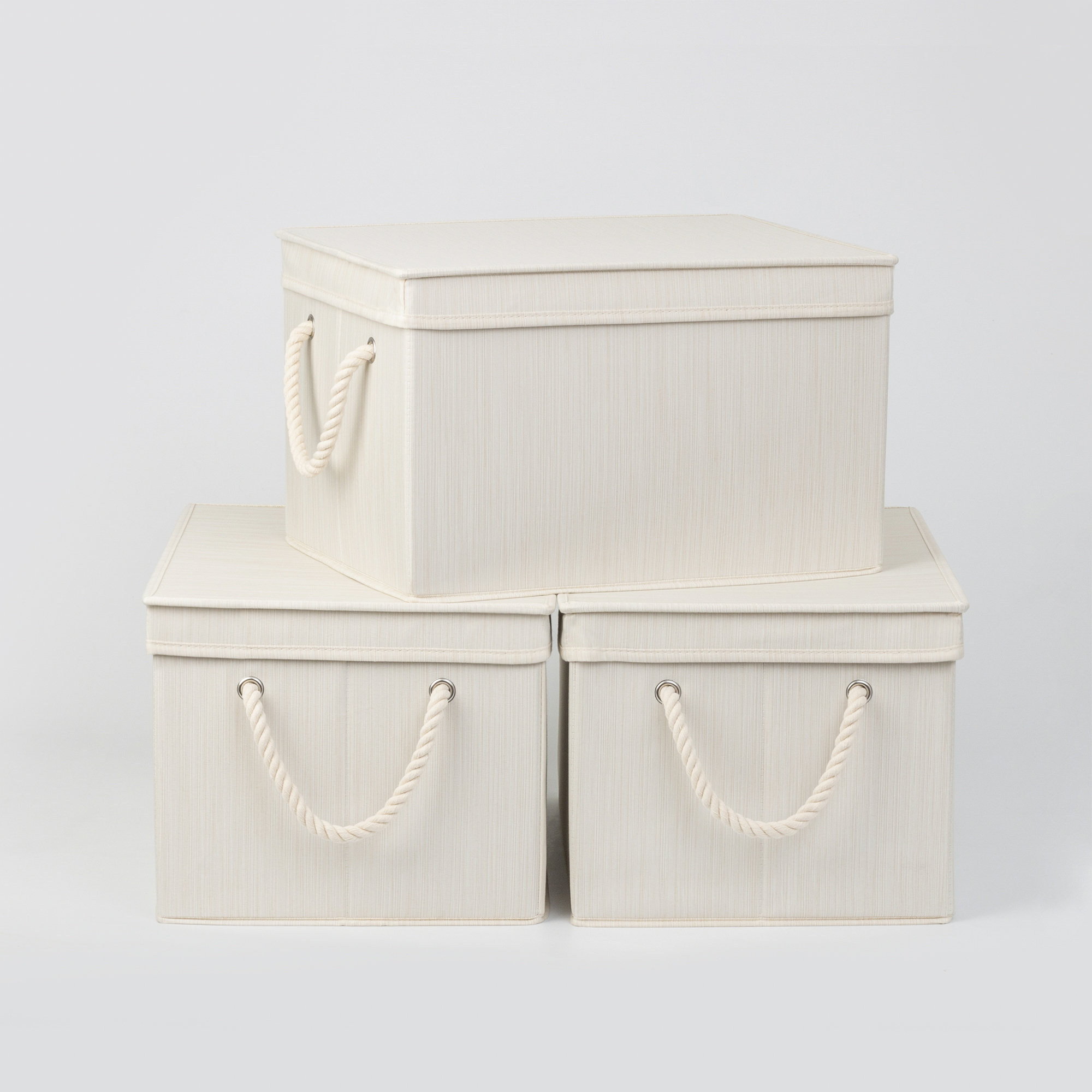
Large Plastic Containers with Handle for Pantry Organizer and Storage,Perfect for Bathroom,Cabinet,Kitchen,Fridge,Closet Organization

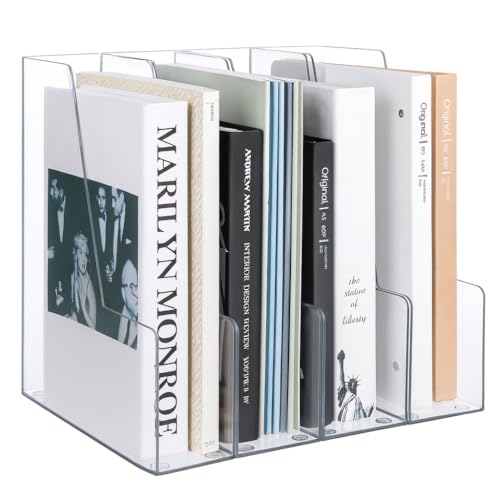
4. Paper & Canvas Storage
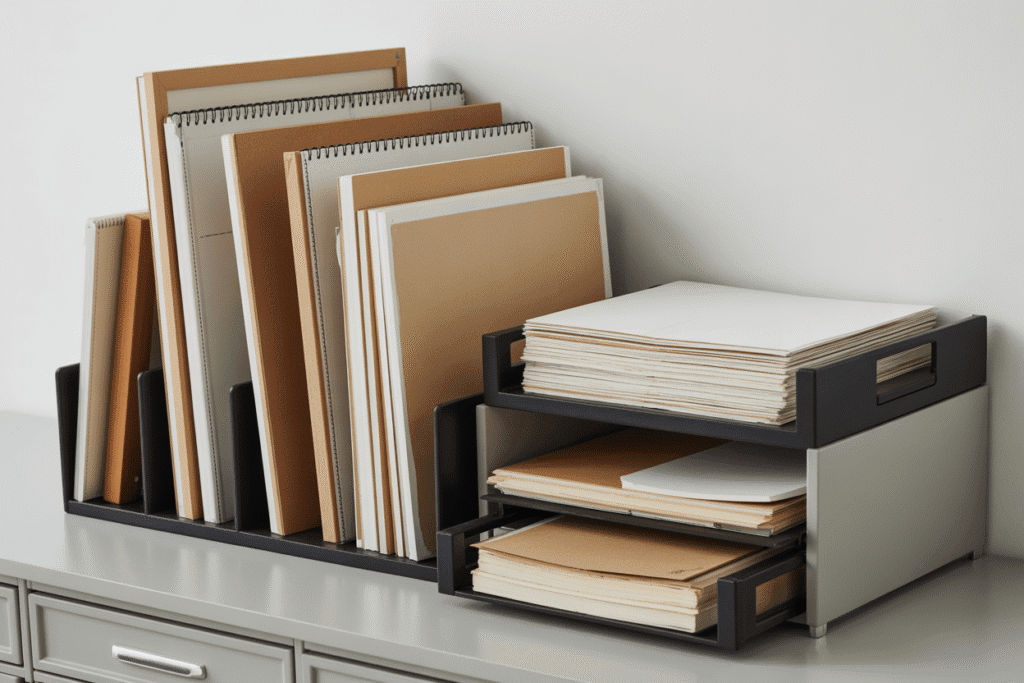
This is its own category because paper and canvases are fragile.
Best solutions:
- Vertical racks
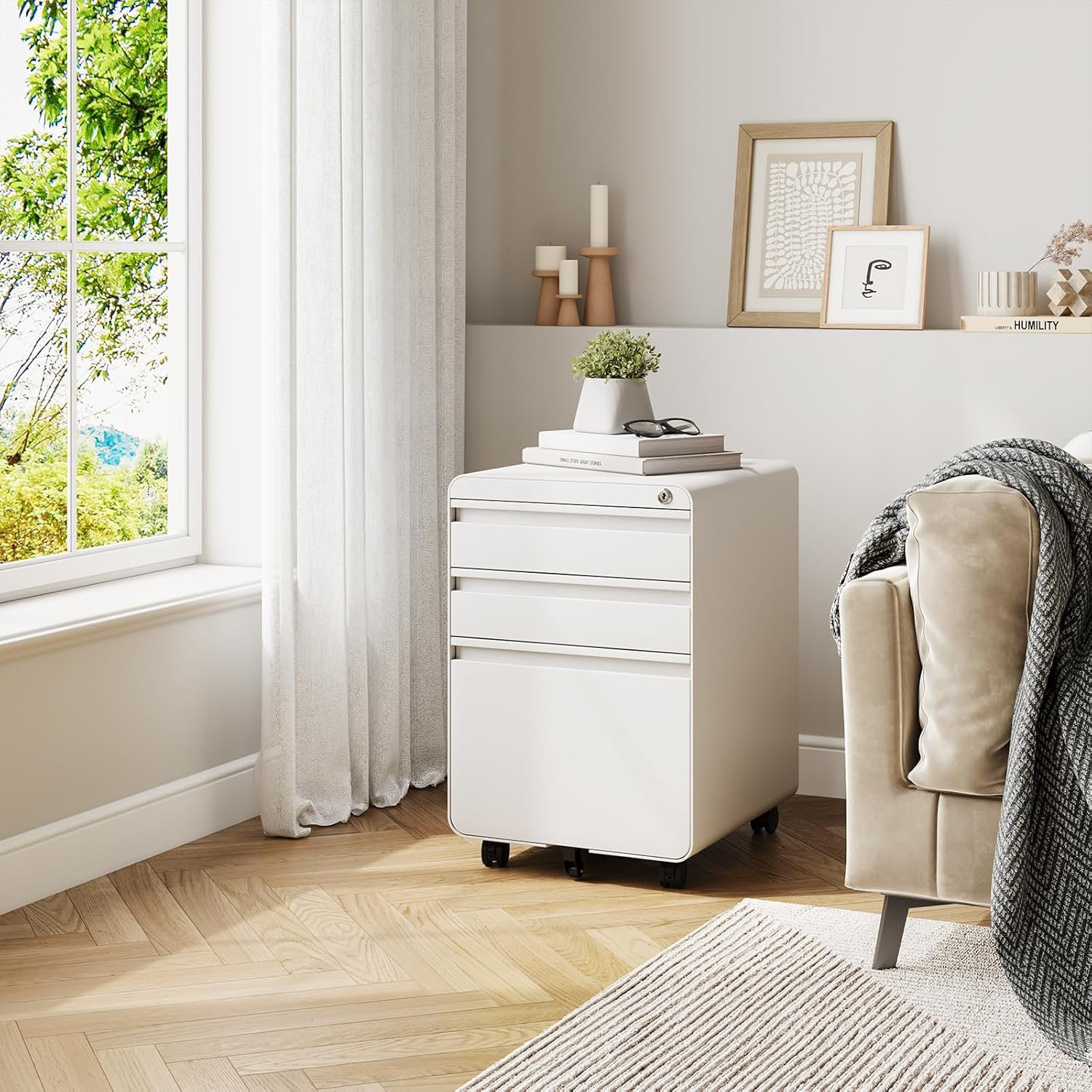
- Flat file drawers
- Magazine holders
- Shelves with vertical dividers
Clear File Organizer Desk Organizer and Storage Bins Holding for Magazines, Binders, Notebooks, Envelopes, Plastic Office Organization and Storage for Desk, 4 pack
Metal Filing Cabinets with Lock Wheels, Anti-tilt Under Desk Design (No Assembly Required) & Reviews | Wayfair
Clear Shelf Dividers, Vertical Purse Organizer for Closet Perfect for Sweater, Shirts, Handbags in Bedroom and Kitchen, Acrylic Bookshelf for Organization

→ How to Store Canvas, Paper & Sketchbooks
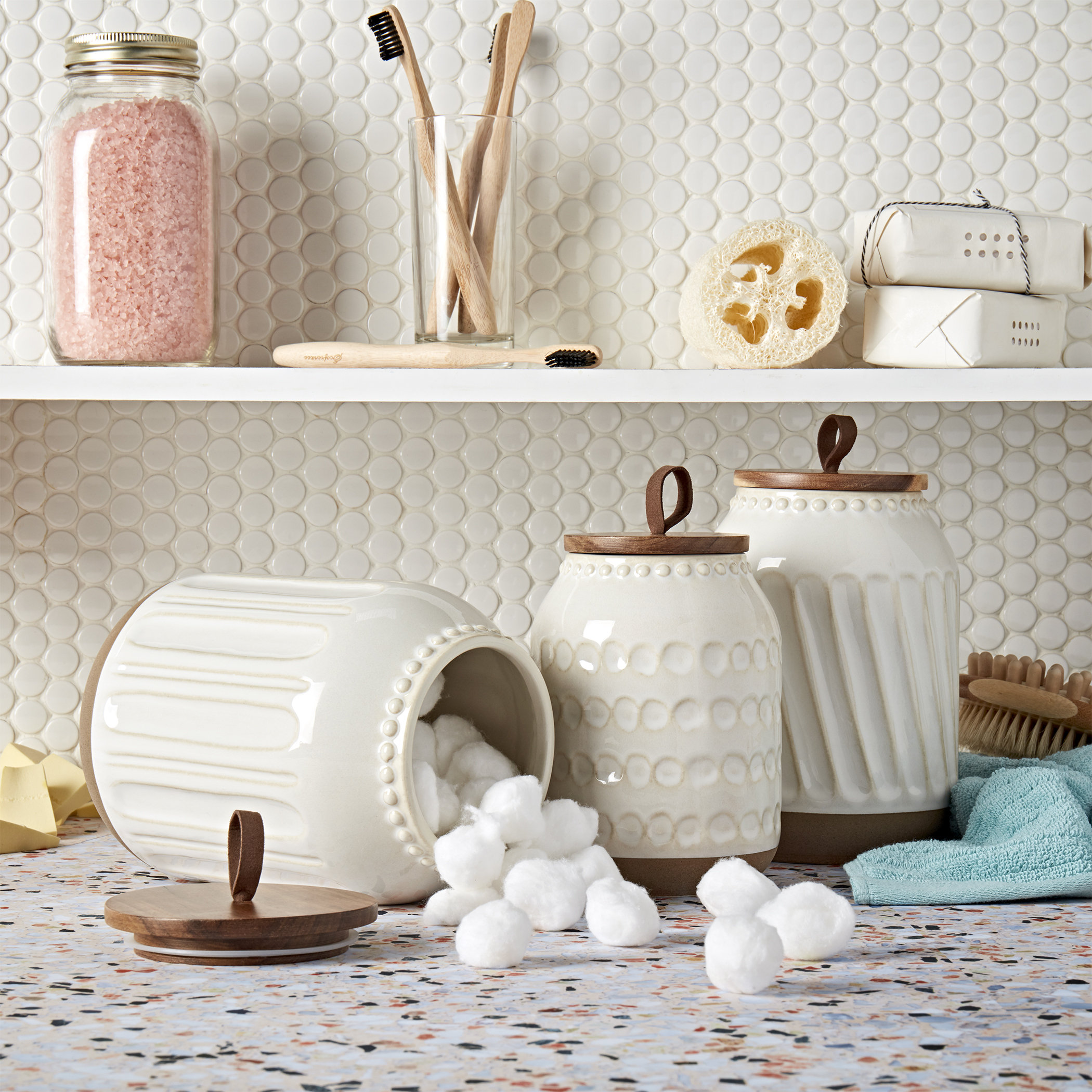
5. Brush & Pen Storage
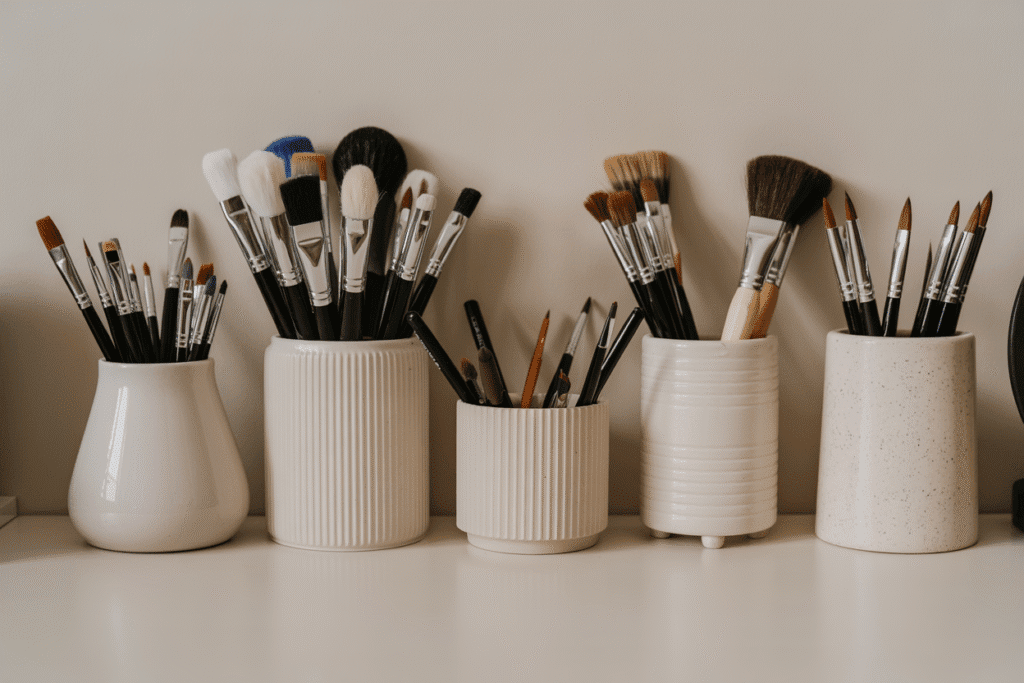
Brushes and pens need vertical, protective storage.
Try:
- Ceramic jars
- Pencil cups
- Brush stands
- Tool rolls
- Rotating desk organizers
Make Up Brush Organizer Removable Spinning Cosmetic Brushes Storage Pen Holder for Vanity, Dresser, Desk, Beige

→ How to Organize Your Brushes, Pens & Tools
6. Paint Storage Systems
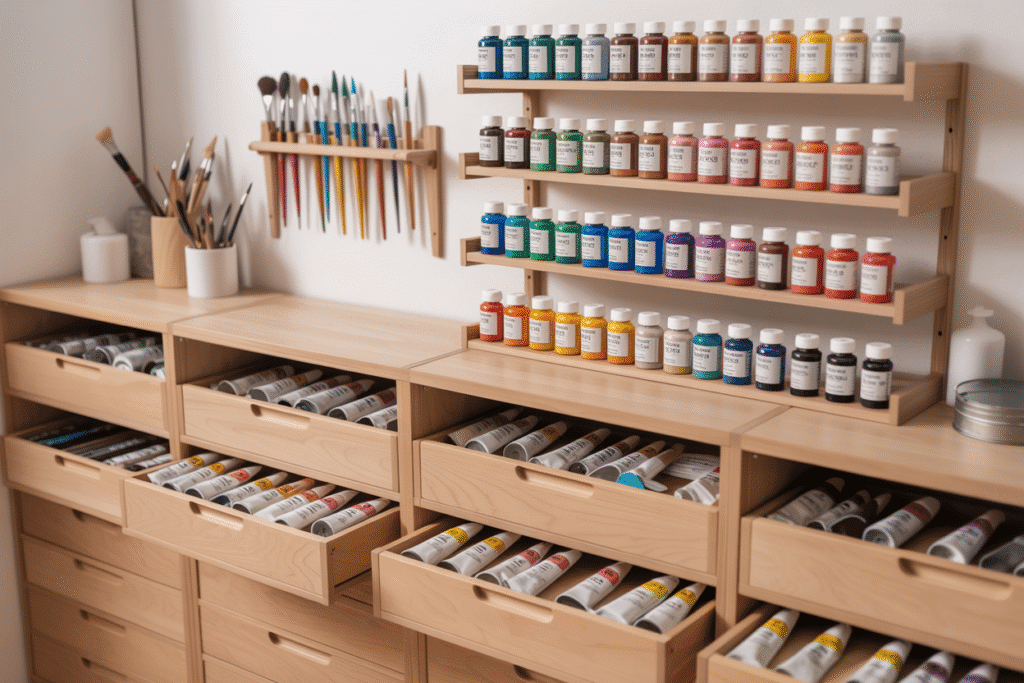
Paints are one of the trickiest things to store well.
Options that work beautifully:
- Shallow drawers for tubes
- Spice racks for bottles
- Tiered shelves for acrylics
- Wall-mounted racks
For Bedroom Nightstand Drawer Dresser Bathroom Kitchen Drawer, Frosted

6 Support Bead Options. Thick, Durable, Crystal-Clear Acrylic with Diamond-Polish Finish. Paint Bottle Organizer & Painting Storage. SB

6 Pack Organizer with Unique Wavy Lines,Nail Supplies for Techs,Great Display Salons Retailers

→ 10 Genius Ways to Organize Your Paints
7. Hidden Storage Solutions
If your studio is part of a shared space, use concealed storage.
Use:
- Closed cabinets
- Baskets with lids
- Drawer units with doors
- Storage ottomans
Why they work:
They keep your space feeling clean, calm, and intentional.
SECTION 4 — Lighting 101: Making Your Studio Bright & Inspiring
Lighting has the power to transform the way you see your colors — and the way your space feels.
We’ll discuss this more in depth in How to Choose the Perfect Lighting for Your Art Studio and Best Sellers: Studio Task Lamps for Perfect Lighting.
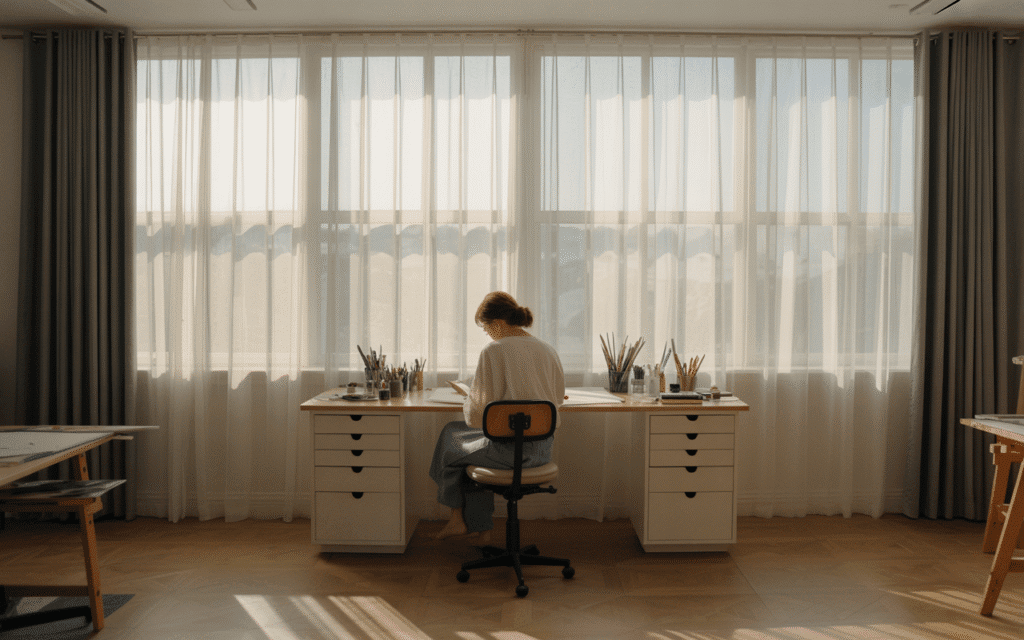
1. Prioritize Natural Light
If possible, set your main workspace near a window.
Natural light:
- Shows true color
- Reduces eye strain
- Makes your space feel open and inspiring
Flax Linen Blend Semi Sheer Light Glare Filtering Extra Long Drapes for Living Room Dining Doorway Farmhouse Office Sunroom, Linen, Wide 52" by Long 108", 2 Pane...

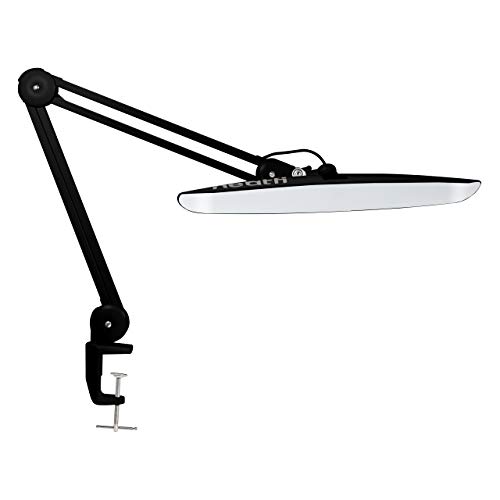
2. Use Task Lighting for Detail Work
Every artist needs a good desk lamp.
Look for:
- Adjustable arms
- Neutral white bulbs
- Brightness control
- Glare-free options
24W Bright Architect Task Lamp, 20 Inches Dimmable Computer Light, Adjustable Desk Light for Home, Office, Crafts, Nails & Hobbies (Non-CCT, Black)
3. Add Soft Ambient Lighting
This makes your studio feel cozy and beautifully styled.
Try:
- Warm LED sconces
- Minimalist floor lamps
- Shelf lights
- Clip-on lights
- Smart bulbs
Hardwired Indoor Wall Lights Up and Down Wall Mount Light for Living Room Bedroom Hallway Corridor Conservatory Warm White 3000K(with G9 Bulbs)

4. Know Your Bulb Temperatures
Color-accurate lighting is key.
Use:
- 5000K daylight bulbs for painting and drawing
- 3000–3500K warm light for ambience
60 Watt Equivalent A19 Standard Bulbs, E26 Base, 800 LM, Efficient 9W Energy Saving, Non-Dimmable, 80+ CRI, 120V, UL Listed, for Living Room, Office

SECTION 5 — Designing a Beautiful, Aesthetic Studio
Because you’re not just an artist — you’re a visual creator.
Your space should inspire creativity the moment you walk in.
1. Choose a Soft, Intentional Color Palette
A neutral palette is perfect for creative spaces.
Beautiful options:
- Soft beige
- Warm white
- Greige
- Cream
- Light wood tones
These tones keep your space calm and help your artwork become the focal point.
2. Add Natural Textures
Textures bring life to your studio.
Try:
- Woven baskets
- Linen bins
- Light wood shelves
- Ceramic cups
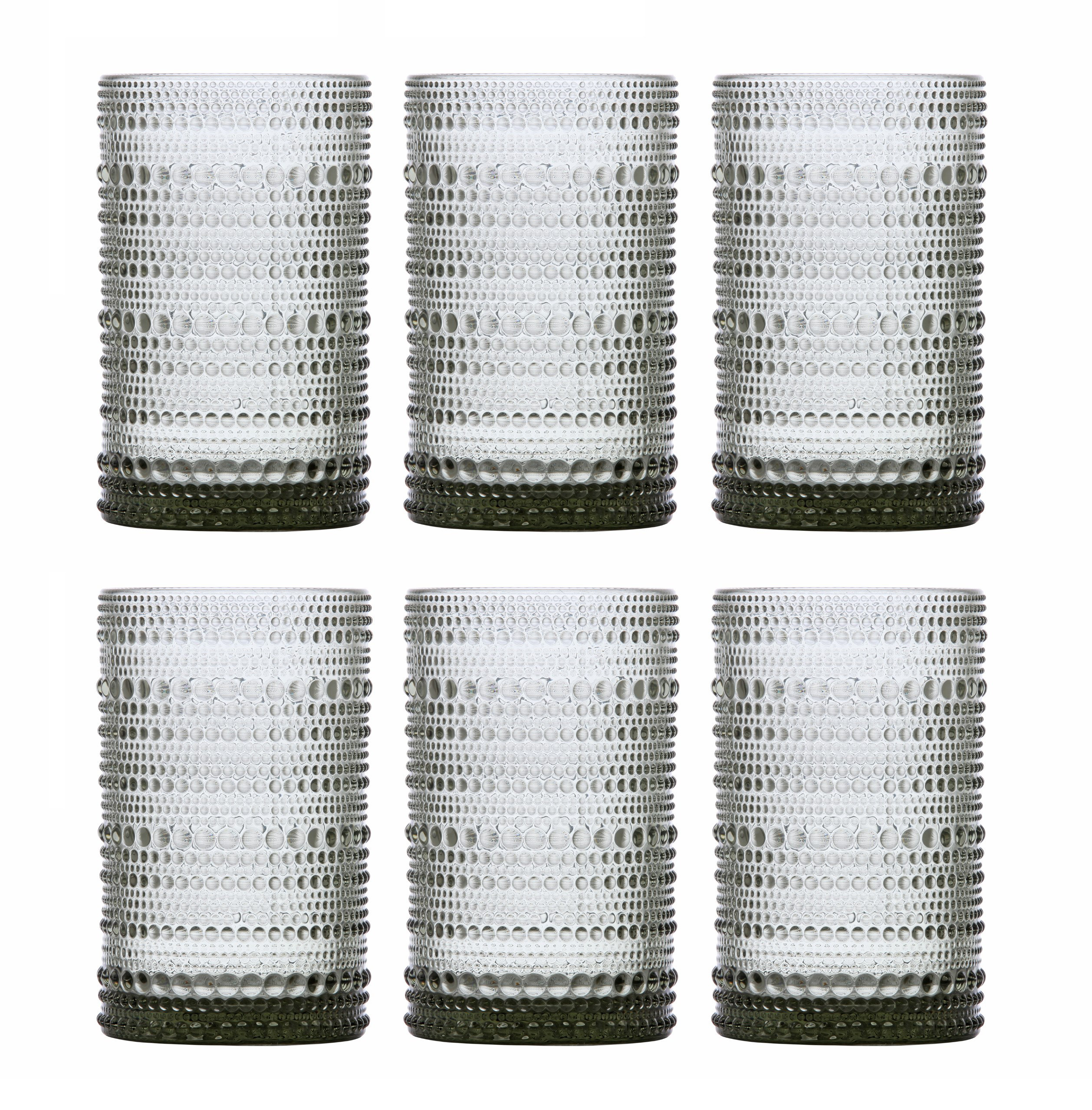
- Glass jars
Basket with Carrying Handles, Household Storage for Clothes, Linens, Sheets, Toys, Natural Water Hyacinth, Rectangular (2-Pack)

3. Create a Moodboard or Inspiration Wall
This gives your studio personality and direction.
Use:
- Cork boards
- Wire grids
- Magnetic boards
- Mini shelves
- Polaroids
- Color swatches


4. Decorate With Functional Art Supplies
Let your tools double as decor.
Display:
- Brush jars
- Pretty paint tubes
- Glass jars of pencils
- Sketchbook stacks
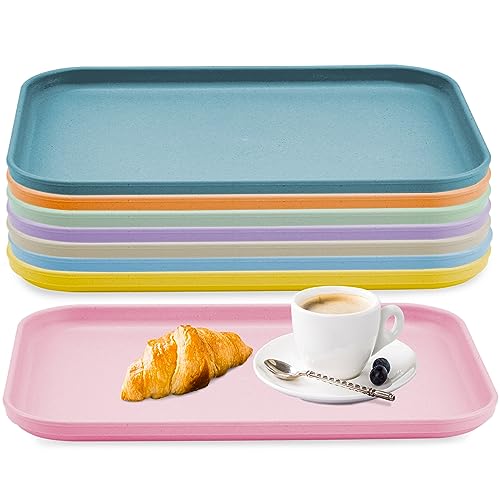
8 Pack Stackable Activity Tray Crafts Organizer Tray Serving Tray Jewelry Tray for DIY Projects, Painting, Beads, Organizing Supply,8 Color (15 x 10.6 Inches)
5. Add Plants or Nature Elements
Even one plant can transform the vibe of your studio.
Pick:
- Low-light plants
- Small tabletop plants
- Trailing vines
SECTION 6 — Specialty Zones (Customize This Part for Your Mediums)
Every artist’s workflow is unique.
Here’s how to build custom zones that support your style.
1. Painting Zone
Include:
- Easel or wall-mounted panel
- Paint cart
- Brush holder
- Tool cup
- Drop cloth or floor mat
All Media Adjustable Beech Wood Studio Easel, Painting Floor Easel Stand, Movable and Tilting Flat Available, Holds Canvas Art up to 77

Metal Utility Cart with Storage Drawer and Wheels, Versatile Art & Craft Organizer for Home, Office, or Studio - Ideal for Storing Brushes, Paints, and Supplies

Drop Cloth for Painting, Floor Cover, Heavy Duty Protection for Furniture & Surfaces, Reusable Painters Canvas Tarp for Renovation & Home (4x12...

2. Drawing Desk Zone
Include:
- Angled drawing board
- Pencil organizer
- Task lamp
- Drafting stool


3. Digital Art Corner
Include:
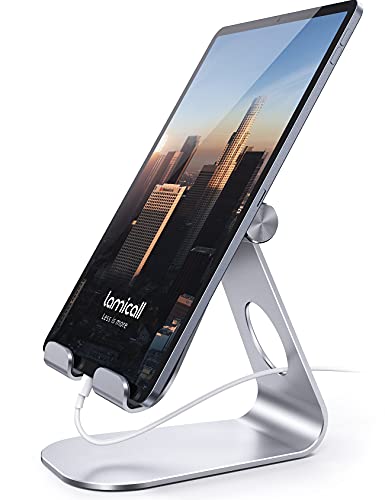
- Tablet stand
- Monitor arm
- Comfortable chair
- Cable organizer
- Minimal desk setup
![8Pack Cord Organizer [1s Lock] Spring Cable Management Clips - Lamicall Desk Cord Holder, Adhesive Cute Round Cable Clip, Phone Charger Wire Organizer Keeper for Nightstand Car Office Accessory, White](https://m.media-amazon.com/images/I/71uQ8L3QzHL._AC_SX466_.jpg)
4. Photography or Content Zone
Perfect for creators who also film or photograph their art.
Include:
- Foam board or backdrop
- Clamp lights
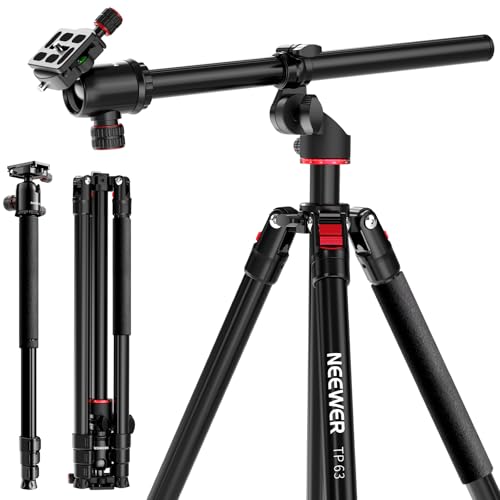
- Tripod
- Small table or surface

SECTION 7 — Maintaining Your Studio (So It Stays Organized Forever)
1. The Daily Reset (2–3 minutes)
- Toss paper scraps
- Return tools to their zones
- Wipe your desk
2. The Weekly Refresh (10 minutes)
- Re-sort drawers
- Restock tools
- Dust shelves
3. The Seasonal Organize-Over (15–30 minutes)
- Declutter extras
- Reevaluate your layout
- Refresh your inspiration wall
CONCLUSION
Your art studio is more than a workspace — it’s a sanctuary where your ideas take shape. Creating a setup that’s organized, beautiful, and functional supports your creativity on every level.
Whether you’re working with a large room or a tiny corner, the key is designing a space that works with your process, keeps your supplies accessible, and inspires you every time you sit down to create.
Use this guide to build your studio intentionally, one zone or one upgrade at a time. And explore the rest of the Art Studio Hub for more inspiration and storage ideas.
[…] The Complete Art Studio Setup Guide […]