This post contains affiliate links. If you buy through them, I may earn a small commission at no extra cost to you.
You know the loft. Worn wood, a pool of warm light over a drafting table, sketches pinned everywhere, a leather chair that’s seen things. Here’s how to build it, one zone at a time.

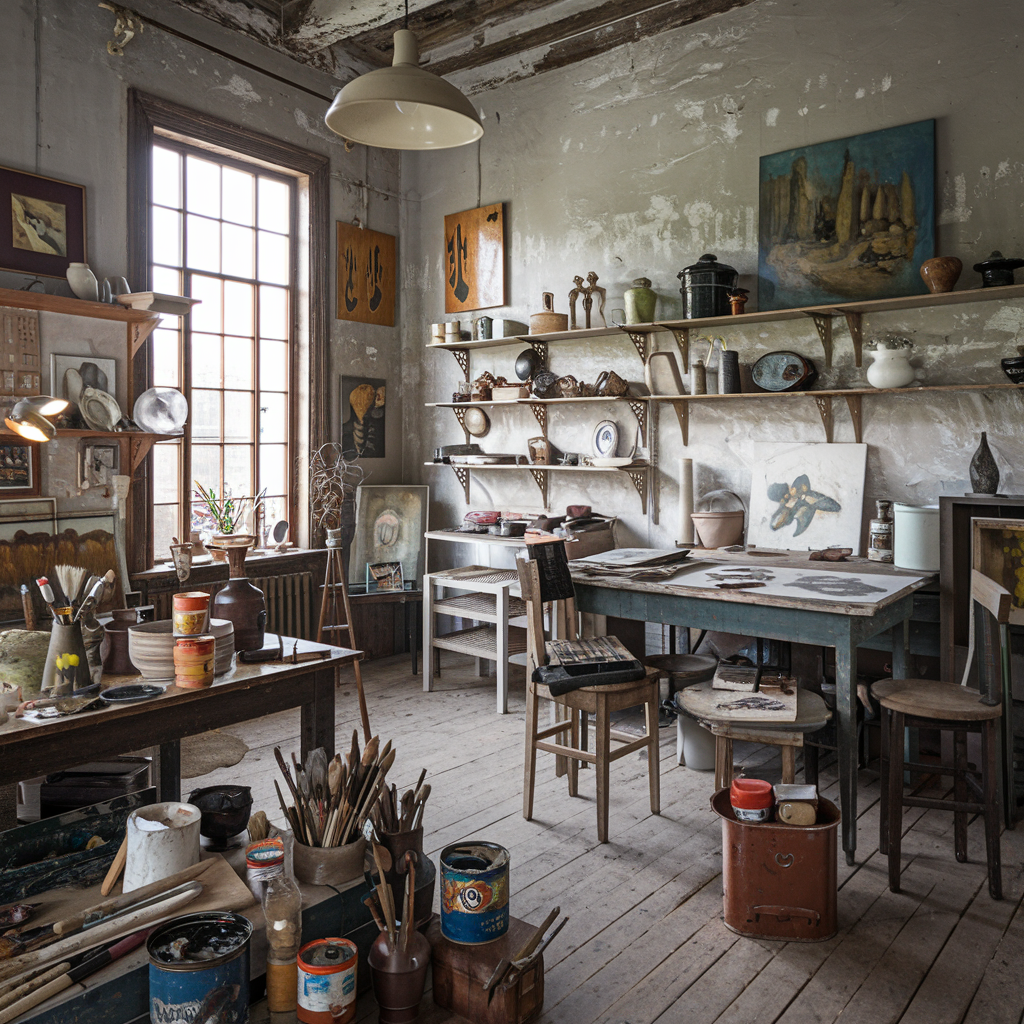
My point of view: a vintage artist loft is four small zones that each have one great anchor piece. You don’t need an old warehouse or a big budget. You need a plan for each corner, a few lucky thrift finds, and modern tools hiding in vintage clothing.
Quick answer: if you only do one thing, add one warm vintage-style light (2700K) over your work surface and keep a neutral 5000K lamp for color work. Light does more for the loft mood than any piece of furniture.
The four zones of a vintage loft
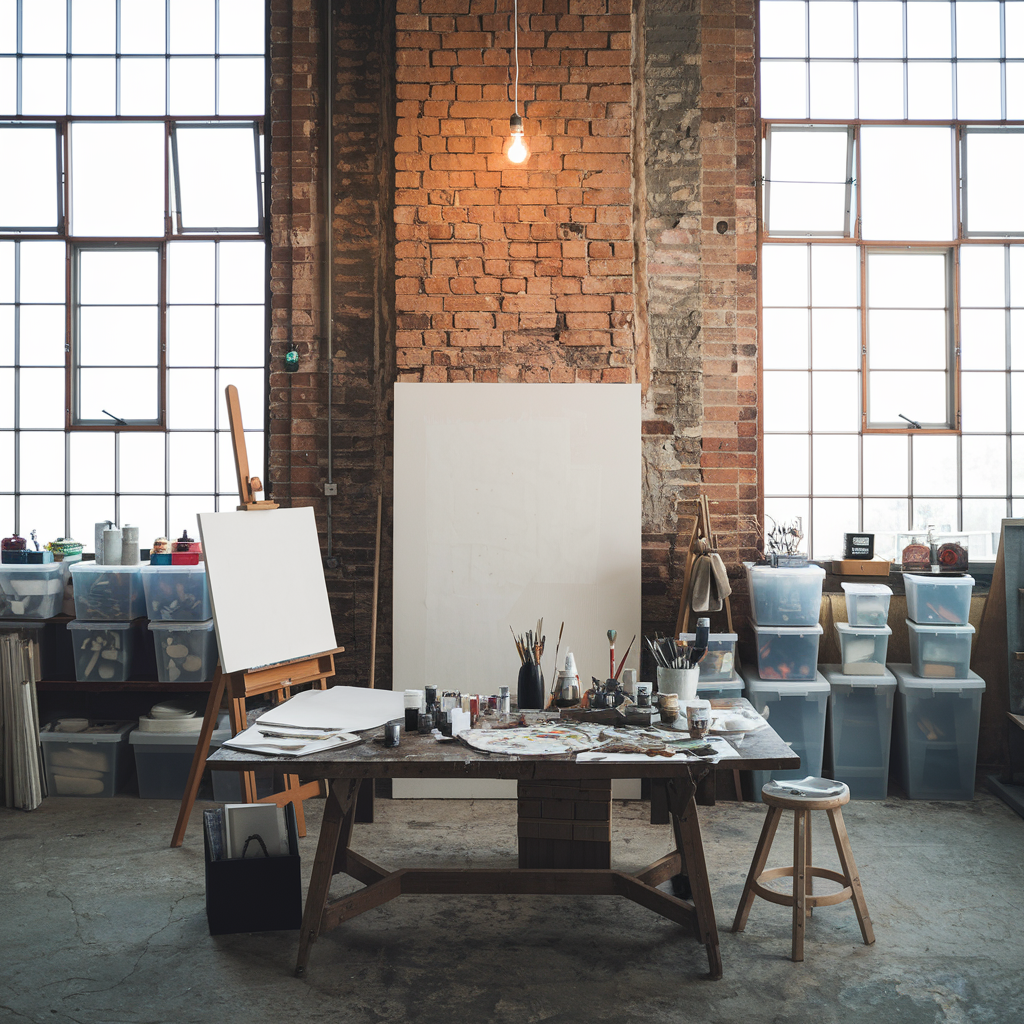
Think of the room as four areas. Even a single bedroom can hold all four if each one is compact.
Here’s what anchors each zone and where to find it.
| Zone | Anchor piece | Thrift find | New buy |
|---|---|---|---|
| Workspace | Reclaimed wood bench | Old drafting stool | Edison pendant |
| Lounge | Leather armchair | Brass side table | Snake plant |
| Inspiration wall | Ornate framed corkboard | Gilded frame | Cork sheets |
| Library corner | Floor-to-ceiling shelves | Old books, globes | Wall anchors |
The Workspace
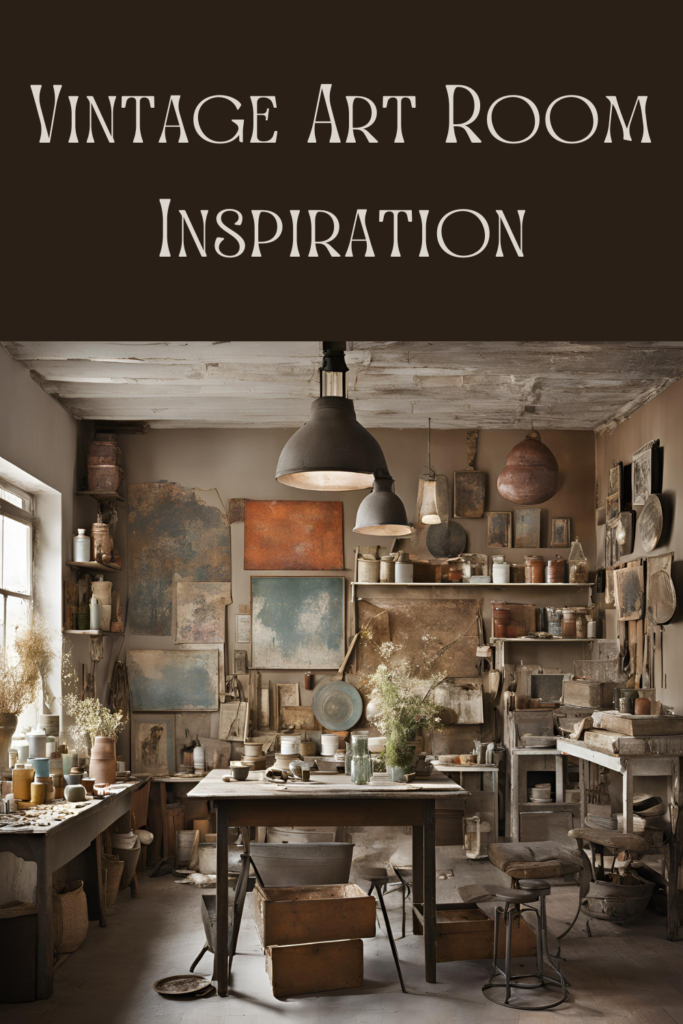
This is where the loft earns its keep, so it gets the best light and the sturdiest surface.
The surface and shelves
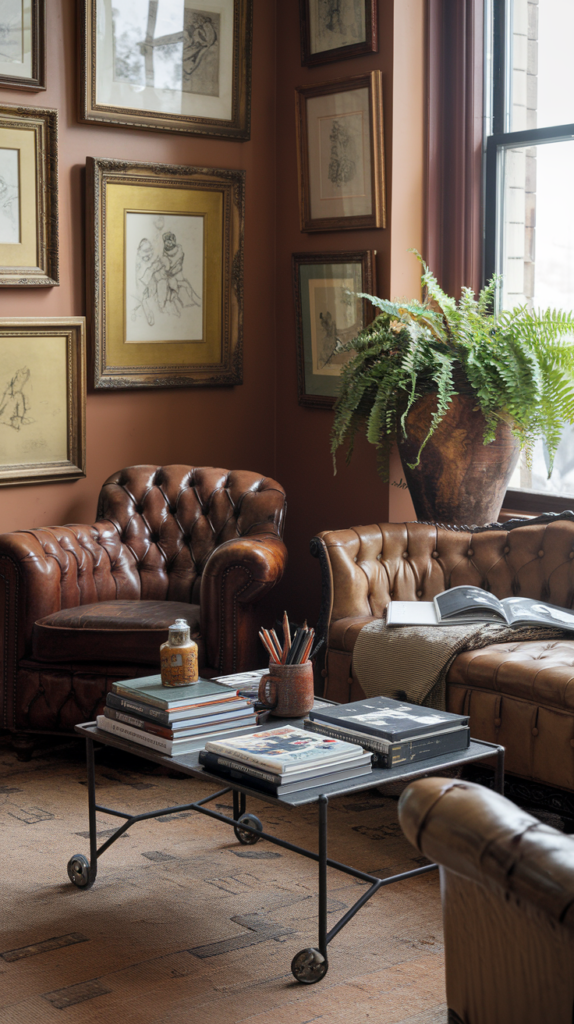
A reclaimed wood workbench is the heart of the look. Look for a top at least 24 inches deep and around 30 inches tall for seated work. Seal it with matte water-based polyurethane so ink and paint wipe off but the wood still looks old.
Above it, open shelves on black iron brackets hold jars of brushes, stacked tins and a few sketchbooks spine out. Keep the lowest shelf about 18 inches above the bench so you have headroom for a lamp arm.
Want to age new wood yourself? My guide to staining wood for a vintage look walks through it.
The lighting
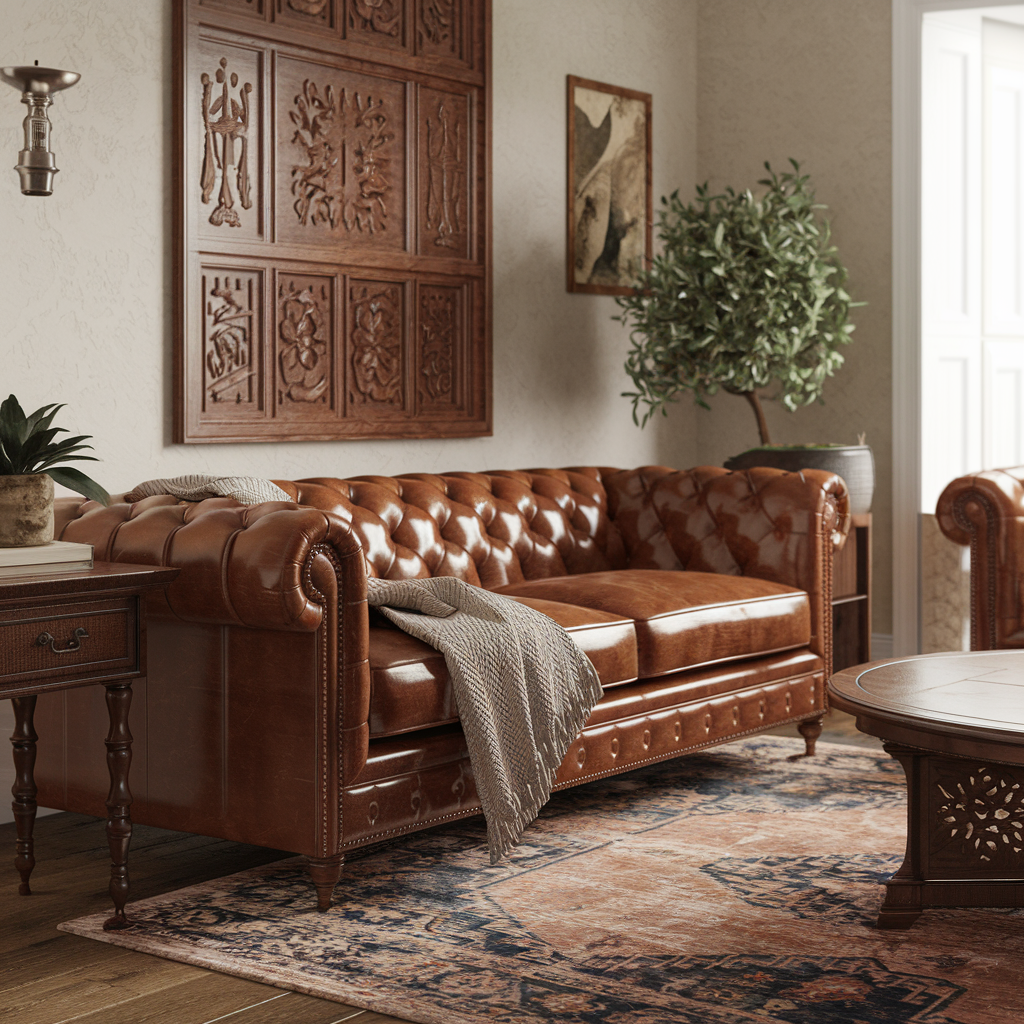
Layer two kinds of light here:
- Mood: an Edison-style pendant with warm 2700K bulbs gives that amber glow.
- Work: a vintage-style adjustable desk lamp fitted with a 5000K, 90+ CRI bulb, so your colors look the same at night as they do by the window.
Warm light alone makes yellows look muddy and blues look gray. Keep the warm glow for atmosphere and the neutral lamp for color decisions.
Workspace measurements cheat sheet
| Element | Aim for |
|---|---|
| Bench depth | 24 in or more |
| Bench height (seated) | about 30 in |
| Shelf above bench | 18 in clearance |
| Mood bulbs | 2700K, warm |
| Task bulb | 5000K, 90+ CRI |
Old-world tools, modern performance
The trick to a working vintage studio: tools that look the part on the outside and perform like new on the inside.
- A wooden sketch box holds pencils, charcoal and erasers and looks lovely left open on the bench.
- A brass pencil holder adds a little shine.
- A deckle-edged sketchbook feels like an old journal.
- Inside, keep reliable modern supplies: Faber-Castell pencils, Prismacolor colored pencils and Copic markers.
- For the full old-world feel, a dip pen and ink set is fun to learn and makes lines no felt tip can copy.
For more storage with this look, see my favorite vintage-inspired art supply organizers.
The Lounge
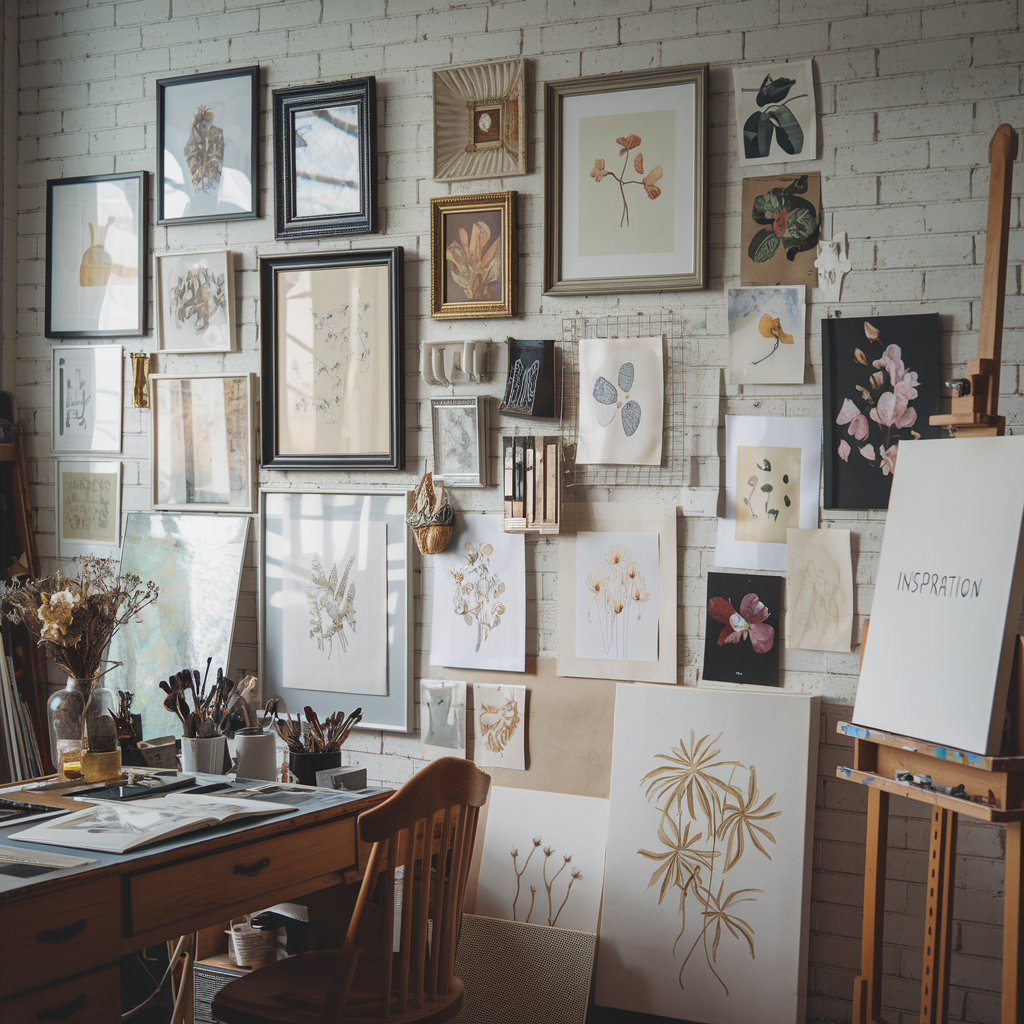
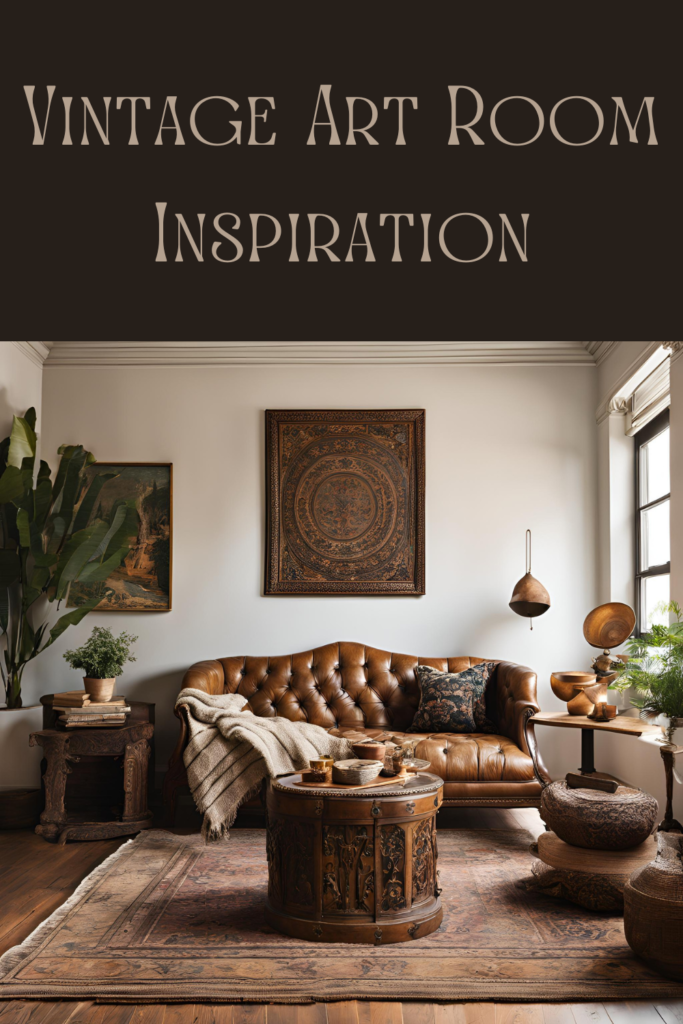
Every loft needs a spot to sit, sip something warm and look at your work from across the room. Distance shows you problems you can’t see up close.
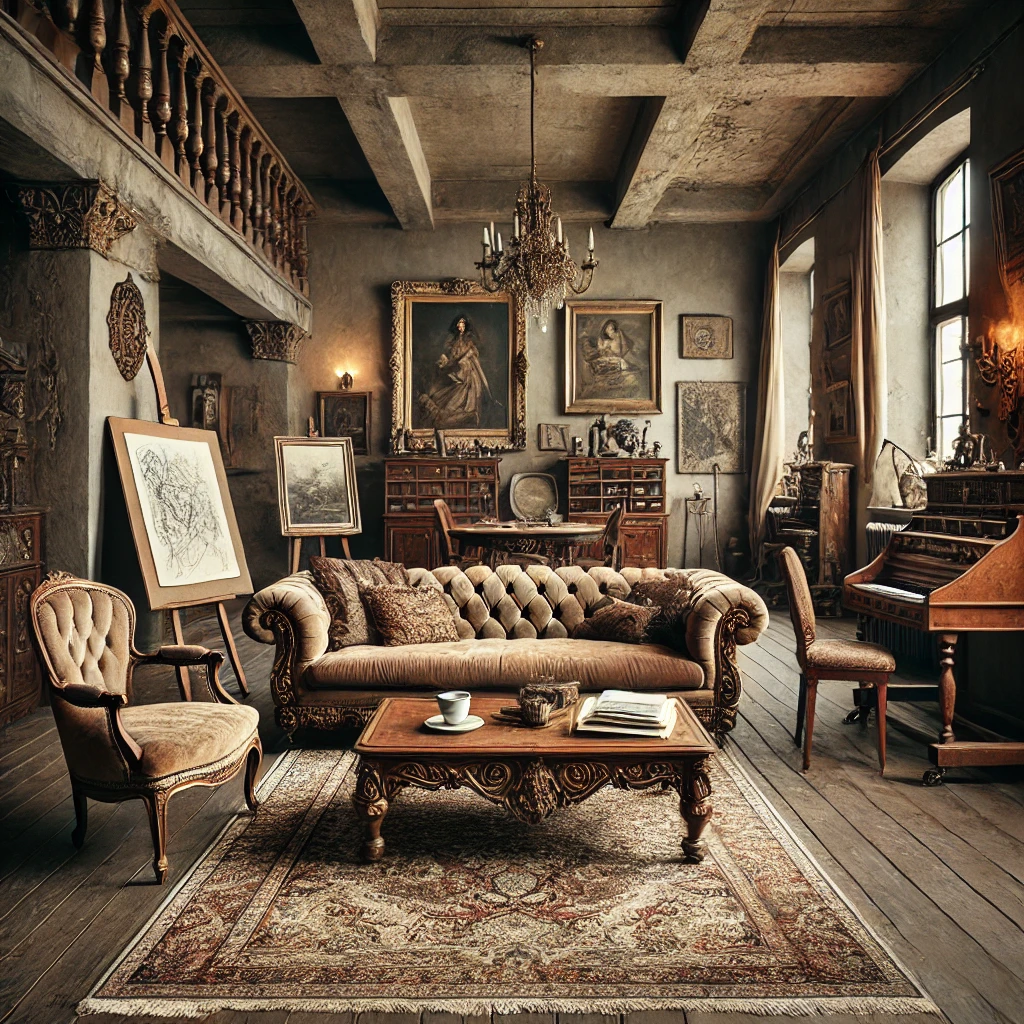
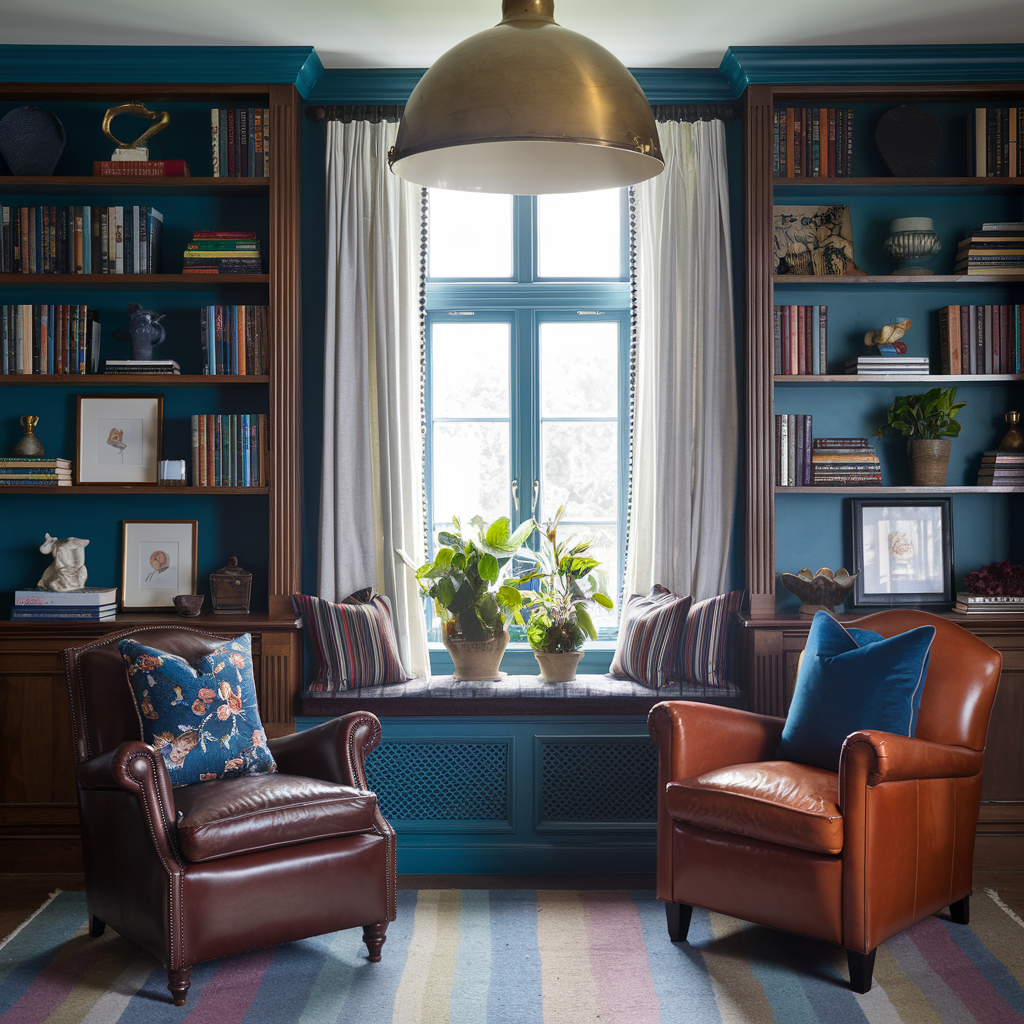
- The chair: a thrifted leather armchair or club chair. Cracked leather is part of the charm. Check that the frame doesn’t wobble and the cushions don’t smell musty before you buy.
- The gallery wall: mix your own framed sketches with thrifted prints in mismatched gold and dark wood frames. Hang the center of the grouping about 57 inches from the floor.
- The plants: ZZ plants, snake plants and pothos all handle lower light and forgiving watering. Keep them out of the path of the window light your workspace needs.
A small brass side table or an old trunk finishes the corner and gives your coffee a home away from your drawings.
The Inspiration Wall

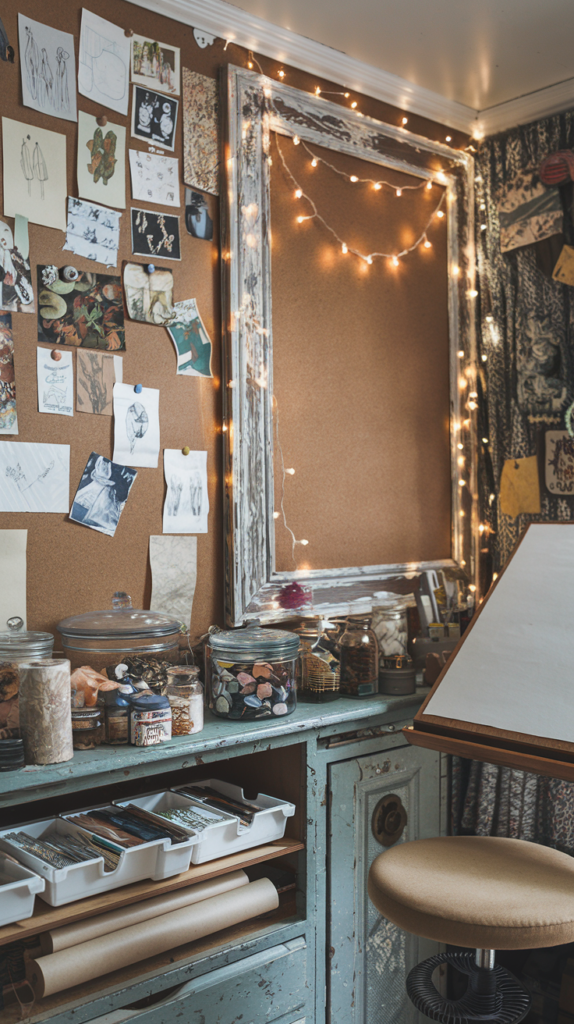
This is the most saveable part of the loft, and it’s a weekend project. An ornate thrifted frame turned into a corkboard looks like a gallery piece and holds every sketch, swatch and postcard you love.
DIY vintage corkboard
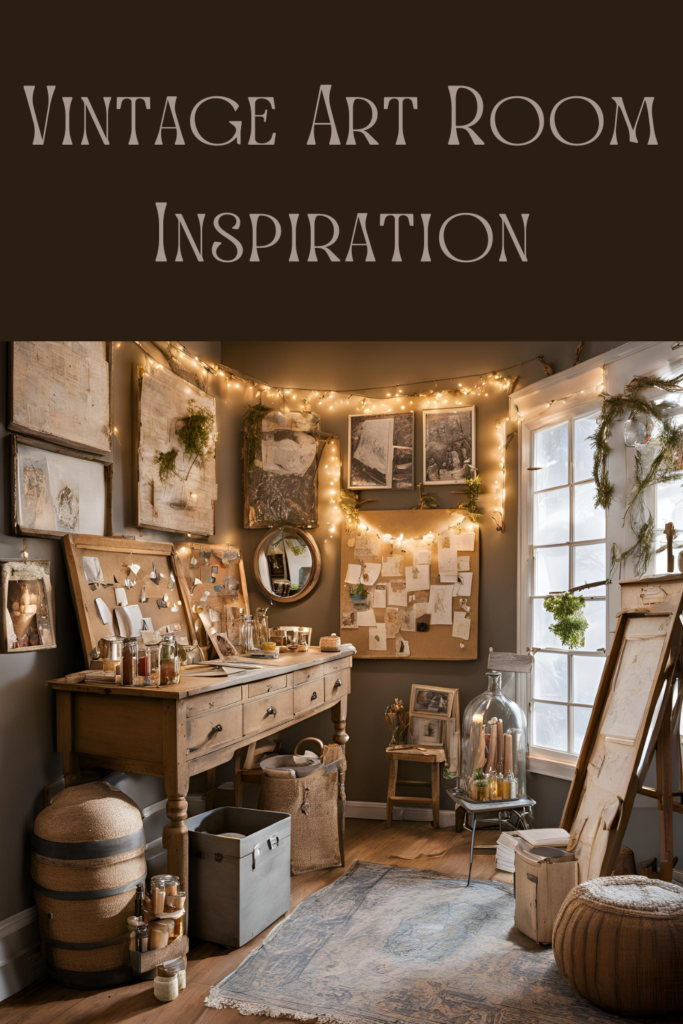
You’ll need a thrifted ornate frame, cork sheets, a piece of fabric (linen, burlap or a faded floral), spray adhesive or a staple gun, and warm fairy lights for the finishing glow.
A few tips that make it look finished:
- Two layers of cork (about 1/4 inch total) hold pins better than one.
- Iron the fabric first. Wrinkles show more than you’d expect once it’s pinned up.
- If the frame is gold and shiny, a light rub of dark wax in the crevices makes it look properly old.
If you learn better by watching, this tutorial walks through it:
Pin up sketches, color swatches, pressed flowers and postcards, then swap them out each season so the wall stays fresh.
The Library Corner
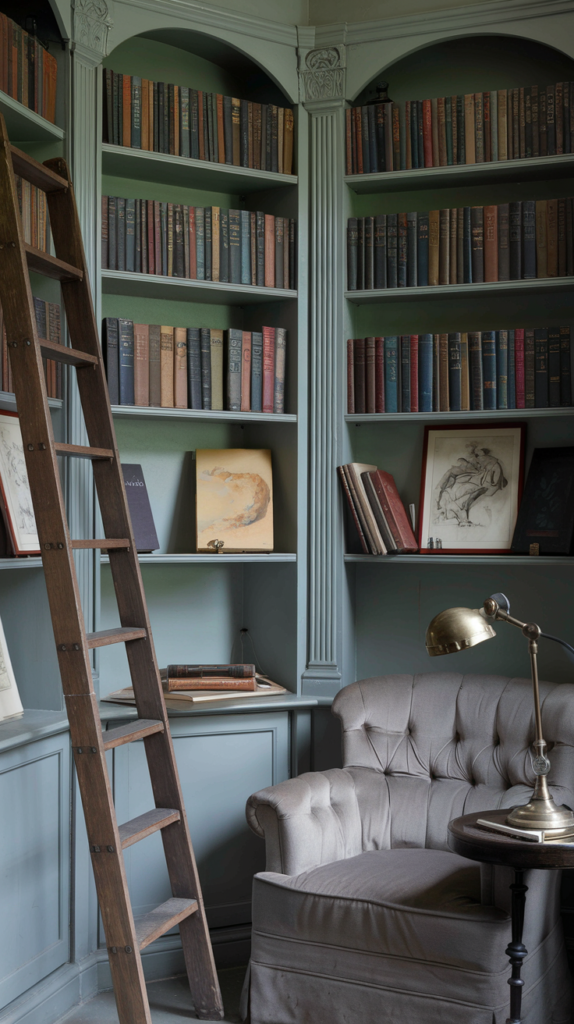
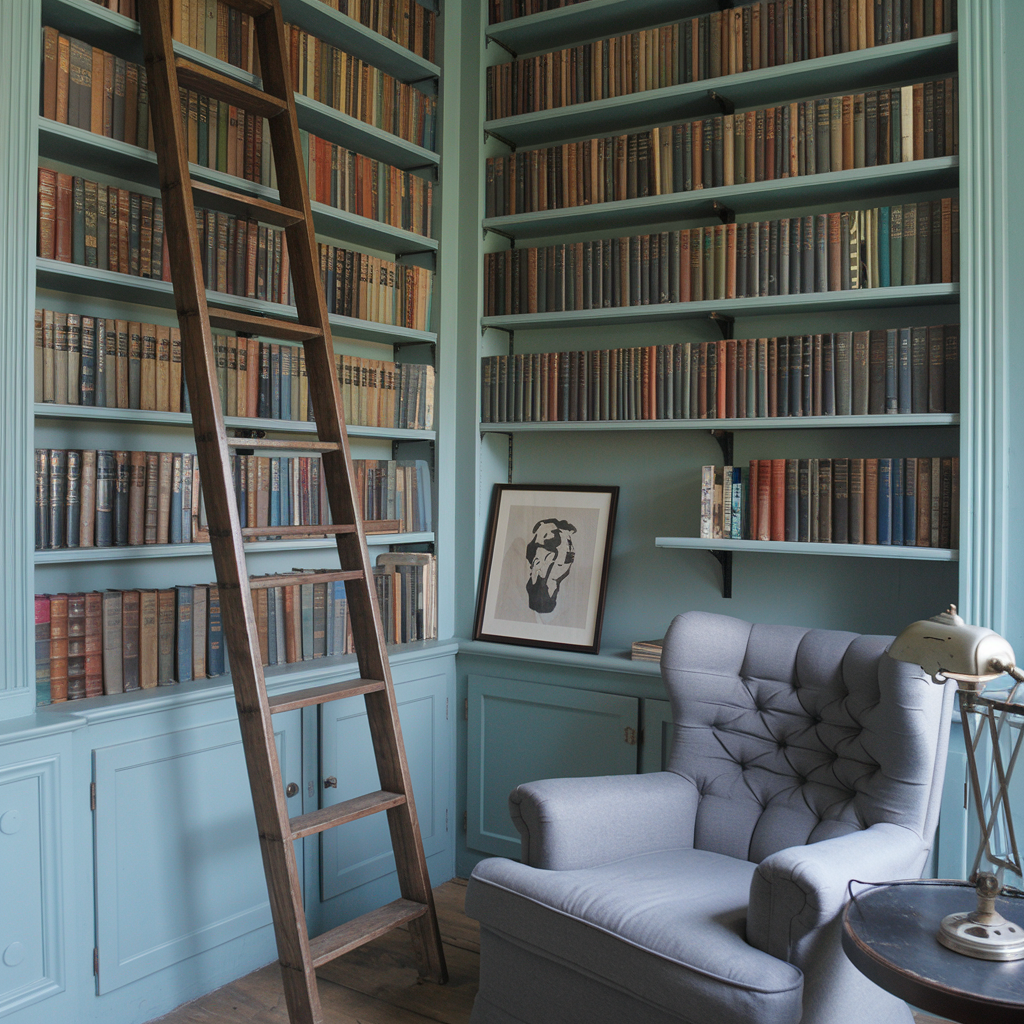
Floor-to-ceiling shelves make a loft feel like a loft. Fill them with art books, old encyclopedias, globes, small sculptures and finished sketchbooks stored upright like books.
Two safety notes I take seriously:
- Anchor tall shelving to the wall. Loaded bookshelves get top heavy, especially with heavy art books on upper shelves.
- Have old lighting rewired by an electrician. A thrifted floor lamp or sconce is gorgeous, but original wiring can be brittle and unsafe.
Add a reading lamp and a small stool or library ladder, and this corner becomes the place you research, plan and dream.
Thrifted vs new: where to spend
Not everything needs to be vintage. Here’s how I’d split it.
- frames
- leather chair
- books
- side tables
- brass decor
- task lamp
- pencils and paint
- cork
- wall anchors
- bulbs
The rule of thumb: thrift anything that’s decorative or sturdy, and buy new anything that touches your art directly or carries electricity.
Final Touches
These small things make the room feel lived in:
- A record player and a stack of old vinyl for long painting sessions.
- A wall clock with Roman numerals, so you notice when three hours have flown by.
- A faux fireplace or mantel shelf to display small paintings and candles (battery candles near paper, please).
- A worn rug in faded reds or blues. Pick a low-pile, washable one if it sits anywhere near your bench.
For palette ideas that tie it all together, see this vintage art room color scheme guide.
Investment pieces worth it

Once the zones are working, these are the pieces I’d save for.
A real reclaimed teak drafting table. The Williston Forge Hackett reclaimed teak drafting table is the kind of piece that makes the whole loft look intentional. Worth it if you draw most days and want a surface that ages beautifully. Skip it if your workbench is already doing the job.
A true daylight studio lamp. The Daylight Artist Studio Lamp is around $275 with 95+ CRI. At three sessions a week for three years, that’s under $0.60 a session for colors you can trust. Worth it for painters and colored pencil artists. Skip it if you mostly work in graphite and charcoal.
A solid beech H-frame easel. The MEEDEN Heavy-Duty H-Frame Studio Easel runs around $220 and its warm wood fits the vintage look. Worth it if you paint on canvas regularly. Skip it if a tabletop easel covers your work.
The takeaway
A vintage artist loft is four small zones with one anchor each: a sturdy bench with good light, a comfy chair, a framed inspiration wall and a wall of books. Thrift the character, buy the tools new, and let the room fill in over time.
Which zone would you start with first? Tell me in the comments, and save this pin for your next thrift store trip.
[…] Vintage Artist Loft: A Timeless Space for Creativity […]