This post contains affiliate links. If you buy through them, I may earn a small commission at no extra cost to you.
Ever finish a lovely two-hour drawing session and stand up feeling like a folded lawn chair? Chances are your desk is set up for somebody else’s body.
Furniture listings sell desks by style and width. Your shoulders don’t care about either.
My take: a good art desk setup is five measurements, and the furniture comes second. Get your desk height, chair height, screen height, lamp position, and reach zones right, and an inexpensive desk will feel wonderful. Get them wrong, and a beautiful one will leave you stiff by lunchtime.
If you only do one thing: sit with your shoulders relaxed and elbows bent to about 90 degrees. Your work surface should meet your forearms right there. If it’s higher, raise your chair and add a footrest. If it’s lower, raise the desk or tilt the surface.
Set up your desk in 5 measurements
Grab a tape measure. This takes about ten minutes.
| # | Measure | Starting point |
|---|---|---|
| 1 | Desk height | At your seated elbow height |
| 2 | Chair height | Feet flat, knees near 90 degrees |
| 3 | Monitor height | Top of screen at or slightly below eye level |
| 4 | Lamp position | Opposite your drawing hand |
| 5 | Reach zones | Daily tools within 14 to 18 inches |
1. Desk height: follow your elbows
Sit tall with your arms relaxed and elbows bent near 90 degrees. Measure from the floor to the underside of your forearm. That number is your ideal work surface height.
A standard desk is 28 to 30 inches tall. That suits many people of average height and leaves plenty of shorter artists reaching up all day.
2. Chair height: feet first
Your feet should rest flat on the floor (or a footrest) with your knees near 90 degrees and your thighs roughly level. If the desk is too tall to change, raise the chair to meet it and put a footrest under your feet. A sturdy box works fine to test the idea.
3. Monitor height: eyes level with the top
If you work digitally, set the top of the screen at or slightly below eye level, about an arm’s length away. Most laptops and many monitors sit too low, so a riser is one of the cheapest upgrades in this whole guide.

4. Lamp position: opposite your drawing hand
Right-handed? Put your lamp on the left. Left-handed? Put it on the right. This keeps your hand from casting a shadow right where your pencil is working. Aim for a daylight bulb around 5000K with a 90+ CRI so colors look true.
Adjustable Goose Neck Architect Table Lamp with On/Off Switch, Swing Arm Desk Lamp with Clamp, Eye-Caring Reading Lamp

5. Reach zones: arm’s length rules
Sit in your working position and sweep your forearm in an arc without leaning. That’s your primary zone, roughly 14 to 18 inches. Stretch your full arm and you’ll find your secondary zone, up to about 24 to 28 inches.
- Primary zone: today’s pencils, brushes, water jar, eraser
- Secondary zone: paint palette, reference photos, extra paper
- Outside both: anything you have to stand up for (bulk storage, framing supplies)
Lighting is a whole topic on its own. Here’s my full guide to the best lighting for art studios.
Height chart: your starting numbers
These are approximate starting points based on typical body proportions. Your own elbow measurement always wins.
| Your height | Seated desk | Chair seat | Standing desk |
|---|---|---|---|
| 5’0″ | about 24 to 25″ | about 15 to 16″ | about 37 to 38″ |
| 5’4″ | about 25.5 to 26.5″ | about 16.5 to 17″ | about 39.5 to 40.5″ |
| 5’8″ | about 27 to 28″ | about 17.5 to 18″ | about 42 to 43″ |
| 6’0″ | about 28.5 to 29.5″ | about 19 to 20″ | about 44.5 to 45.5″ |
Notice something? If you’re 5’4″ or shorter, a standard 29-inch desk is likely a few inches too tall. A taller chair plus a footrest fixes that for very little money.
Drafting tables are usually 30 to 37 inches tall because you sit higher on a drafting chair with a foot ring. If you love working on a tilt, plan your chair and table together.
Desk size: how much surface do you need?
Width matters less than people think, and depth matters more. You need room to rest your forearm in front of your work.
- 30 to 40 inches wide: small spaces, sketching, laptop work
- 45 to 55 inches wide: the sweet spot for most painters and illustrators
- 60 inches or more: large paper, multiple projects, a computer and a drawing area side by side
For depth, aim for at least 24 inches, and 30 inches if you work on large sheets or have a monitor on the desk too.
Set up by medium
Each medium asks for something a little different from your desk.
| Medium | Surface | Must-have | Nice to have |
|---|---|---|---|
| Drawing | Tilted 15 to 45 degrees | Lamp opposite drawing hand | Drafting chair with foot ring |
| Painting | Flat, wipeable top | Water and brushes on dominant side | Window light |
| Digital | Wide and flat | Monitor riser, cable tray | Height-adjustable desk |
| Mixed media | Heavy-duty, scratch-proof | Rolling cart nearby | Drying rack |
| Crafts | Large worktable | Drawer units | Pegboard wall |
Drawing. A tilted surface brings the paper toward your eyes so your neck stays closer to neutral. Try 15 to 20 degrees for ink and watercolor, and 30 to 45 degrees for detailed graphite.
Solid Wood Drafting Table with Built-In Pencil Groove and Pencil Ledge Angle Adjustable Work Surface

Painting. Keep water, brushes, and palette on your dominant side so you never reach across wet work. A wipeable top saves you from stains you’ll be staring at for years.
Digital. A wide, flat desk with a riser and a cable tray keeps things tidy. Standing for part of the day helps, which is why I like height-adjustable desks for digital artists. See my picks for the best standing desks for artists.
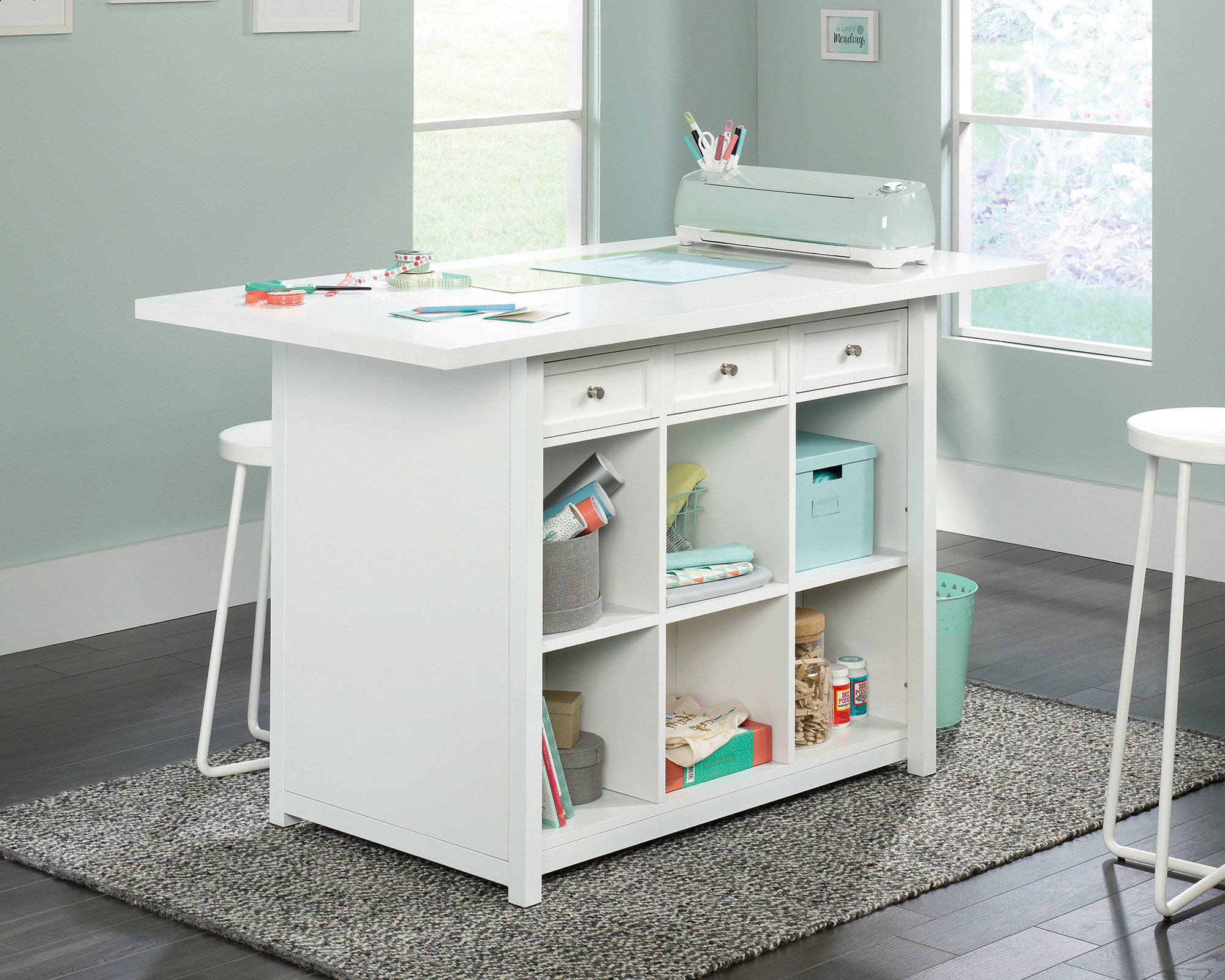
Mixed media and crafts. You want a big, sturdy surface that doesn’t mind glue, cutting mats, or a heat tool. Craft tables with built-in storage keep supplies under your hands.
53'' Artwork Sewing Table with 14 Cube Storage Shelves, Large Drawer, Cabinet with 2 Shelves, 36'' Counter Height Sewing Workstation White Drafting

If you also need a computer zone, an L-shaped desk gives you two work areas in one footprint, one for screen work and one for paper.
Modern White L Corner Desk Home Office Table with Storage Shelves and Monitor Stand, Wooden and Metal PC Desk for Small Space

The artist triangle: your layout plan
Think of your workspace like a kitchen work triangle. Three stations, all within a step or a swivel.
- Your desk. The center of everything, with your primary zone set up as above.
- A rolling cart. Parked beside your dominant hand, holding today’s supplies. Roll it away when you’re done.
- Vertical storage. A pegboard or shelves on the wall behind or beside you for tools you use weekly.
| Station | Distance from your chair | What lives there |
|---|---|---|
| Desk | 0 inches | Current project, daily tools |
| Rolling cart | About 1 arm’s length | Paints, brushes, markers in use |
| Wall storage | One step or a swivel | Backup supplies, weekly tools |
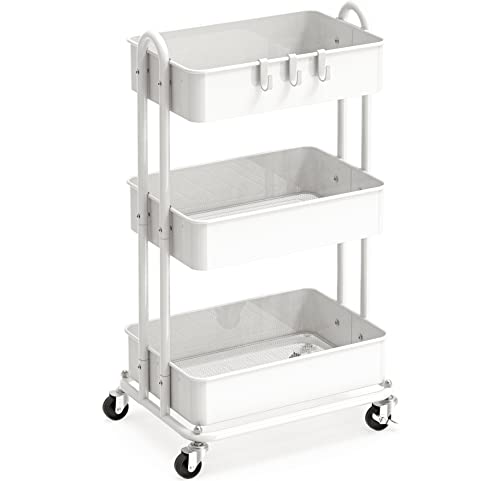
with Wheels Casters, 10-Drawers, for Classroom Art Craft Supplies Dresser Closet Bathroom Laundry Room, White/Clear

25.2" x 25.2" Organizer Panel Large, Cost-Effective & Nail-Free Installation White

For more cart options, see the best rolling art carts, and for wall ideas, my guide to wall-mounted organizers for art studios.
Pick a style you’ll love sitting at
Once the measurements work, choose a look that makes you want to sit down. A few directions:
- Minimalist modern: clean lines, white or pale wood, almost nothing on the surface
- Vintage artist loft: warm wood, a drafting table, brass or black metal accents
- Scandinavian calm: light oak, soft neutrals, a single plant
- Boho creative: rattan, woven baskets, layered textiles
- Industrial: metal legs, reclaimed wood, open shelving
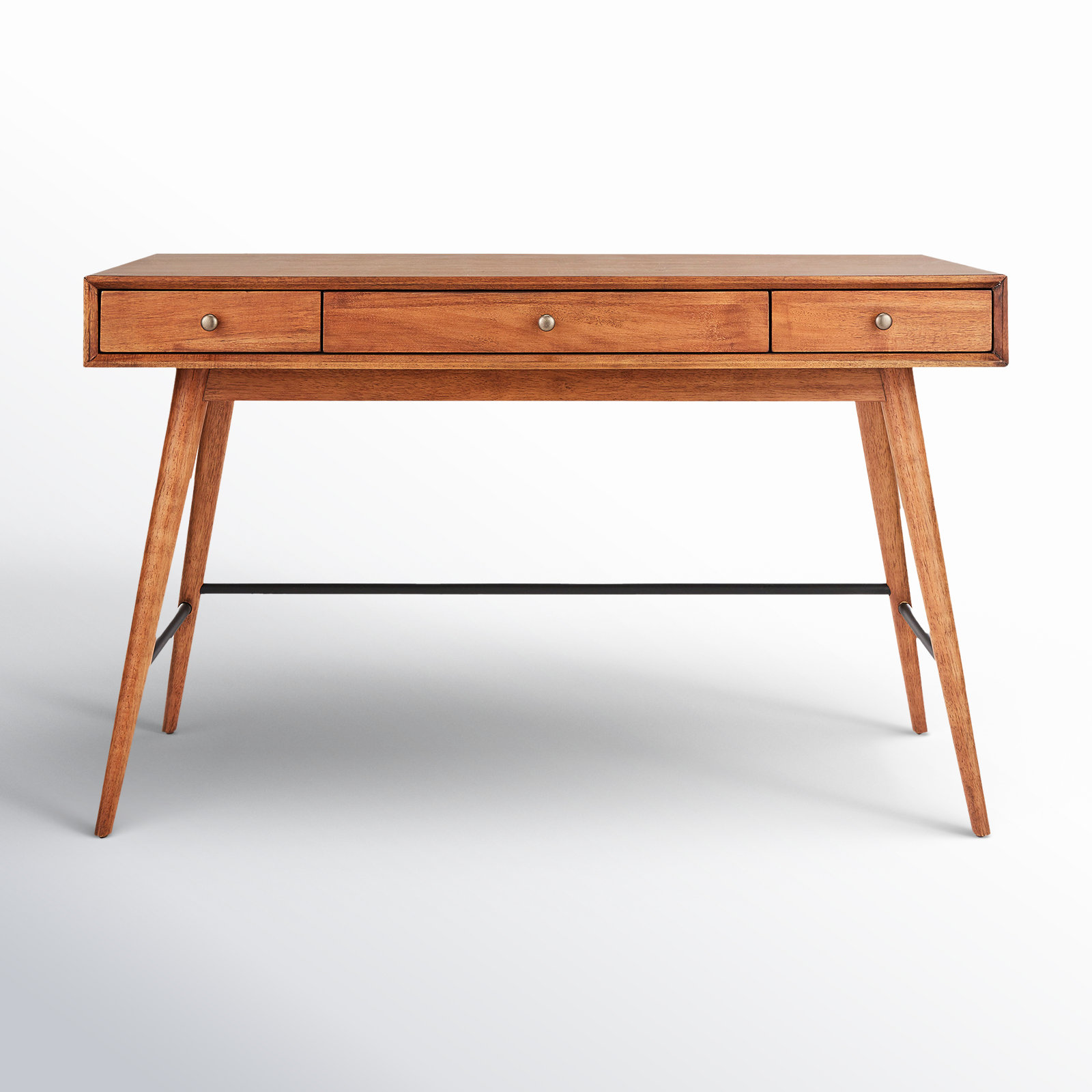
Need inspiration? Browse these vintage art studio ideas or a modern minimalist art studio.
The chair matters as much as the desk
You can’t fix desk height without the right chair. Look for adjustable seat height, a seat depth that leaves two to three fingers of space behind your knees, and lower back support. If you work at a drafting table, you need a taller chair with a foot ring.
Home Office Desk Chair with Headrest and Backrest 90-135 Adjustable Computer Executive Desk Chair with Wheels 360 Swivel Task Chair

Investment pieces worth it
You can build a comfortable setup with a basic desk and a good chair. These are worth a look if you spend long hours at your desk every week.
Steelcase Series 1. The Steelcase Series 1 is around $500, with adjustable lumbar support, seat depth, and arms. Spread over five years of daily work, that’s under 30 cents a day. Worth it if you sit for 3 or more hours most days at a standard-height desk. Skip it if you mostly work at a drafting table; you’ll need a taller chair.
BOLISS Ergonomic High-Back Drafting Chair. The BOLISS drafting chair runs around $300, with a foot ring and high back support for counter-height work. Worth it if you draw on a tilted table 30 inches or higher. Skip it if your desk is a standard 29 inches.
Stand Up Desk Store Adjustable Drafting Table. The Stand Up Desk Store drafting table is around $300 and adjusts both height and tilt, so you can sit, perch, or stand. Worth it if you draw for long stretches and want to change positions. Skip it if you paint mostly flat with lots of water.
FlexiSpot E6 Bamboo standing desk. The FlexiSpot E6 Bamboo is around $500 and moves between your seated and standing heights at the push of a button. Worth it if you split your time between digital work and paper. Skip it if you rarely use a computer for art.
Final quick checklist
Before you call your setup done, sit down and check:
- Shoulders relaxed, elbows near 90 degrees on the surface
- Feet flat on the floor or a footrest
- Screen top at or just below eye level
- Lamp on the side opposite your drawing hand
- Daily tools within a forearm’s sweep
The takeaway
The perfect art desk setup starts with a tape measure. Shopping comes later. Match the desk and chair to your elbows, put the light on the correct side, and keep daily tools within 18 inches. Then pick the style that makes you happy to sit down.
What’s your biggest desk struggle right now: height, space, or clutter? Tell me in the comments, and save this pin for your next studio refresh.